
How Does A Diesel Electric Locomotive Work?
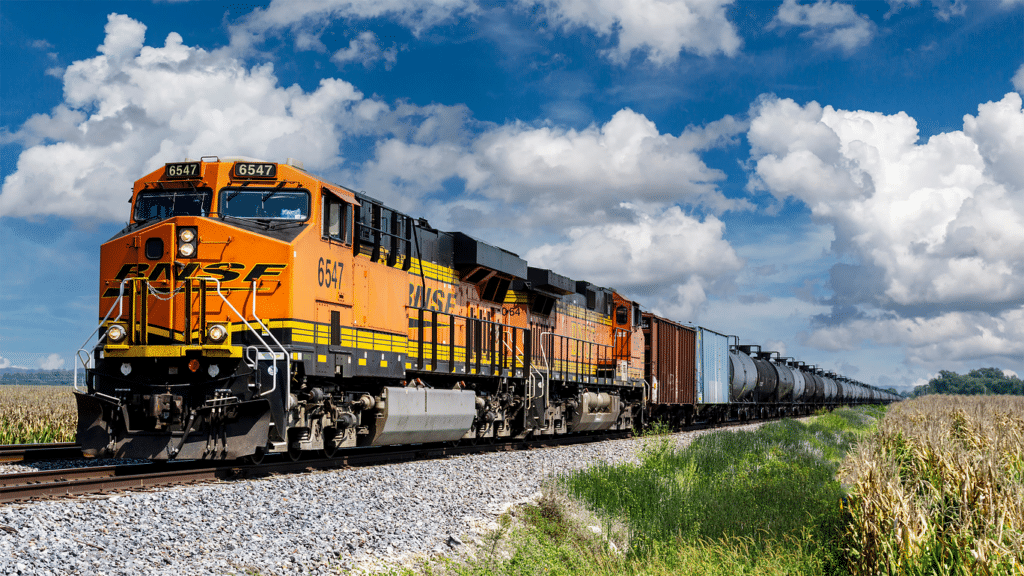
Ever wondered, “How does a diesel electric locomotive work?” These powerful machines have revolutionized rail transport by combining the best features of diesel engine drives and electric systems. Modern railroads rely heavily on diesel electric locomotives to move freight and passengers efficiently over long distances. Unlike traditional steam locomotives that require extensive upkeep and fuel, diesel electric locomotives are more reliable and easier to maintain. The magic behind a diesel electric locomotive lies in its ability to convert diesel fuel into electric power, which then drives electric motors connected to the train’s wheels. This unique system allows for smoother and more efficient operation, minimizing wear and tear on the mechanical parts. The efficiency and reliability of diesel electric locomotives have made them a staple in the railway industry, effectively replacing older propulsion methods. Basic Principles of Diesel-Electric Locomotives The concept behind a diesel electric locomotive is both straightforward and brilliant. First, in these locomotives, a diesel engine does not directly drive the train’s wheels. Instead, it acts as a prime mover that generates electricity. This contrasts sharply with steam locomotives and traditional gasoline engines, where the engine’s mechanical output directly drives the wheels. The diesel engine is connected to an electrical generator or alternator, which converts the engine’s mechanical energy into electrical energy. This electricity is then supplied to traction motors that are connected to the train’s wheels. This system allows for greater mechanical efficiency and flexibility. The control system, another crucial component, ensures that electricity is efficiently distributed to ensure optimum performance. In essence, how a diesel electric locomotive works involves converting chemical energy (from diesel fuel) into electrical energy and then into mechanical energy. This intricate process enables these locomotives to pull freight trains and passenger cars over long distances with remarkable efficiency. Major Components of Diesel-Electric Locomotives The Diesel Engine At the core of a diesel electric locomotive is its diesel engine. This vital component burns diesel fuel to generate mechanical energy. Diesel engines are known for their efficiency and high power output, making them ideal for locomotives that need to pull heavy loads. Unlike gasoline engines, which rely on spark plugs for ignition, diesel engines use compression ignition. They compress air to a high pressure and temperature, then inject diesel fuel. This high-pressure environment causes the fuel to ignite spontaneously. In the locomotive, the diesel engine serves as the prime mover. It generates the mechanical power needed to drive the generator or alternator. Many modern locomotives use turbocharged diesel engines to improve efficiency and power output. These turbocharged engines can generate substantial power, often in the range of several thousand horsepower. Electrical Generator/Alternator The electrical generator, or alternator, is crucial in converting the mechanical energy from the diesel engine into electrical energy. When the diesel engine runs, it drives the generator through a shaft. The generator produces alternating current (AC) electricity. This electricity is then rectified into direct current (DC) before being sent to the traction motors. The efficiency of the generator is vital for the overall performance of the locomotive. Modern generative systems are designed for maximum efficiency and reliability. The electrical output must be stable and consistent to ensure the smooth functioning of the traction motors and control systems. Traction Motors Traction motors are the linchpin in the operation of a diesel electric locomotive. These motors convert the electrical energy generated by the alternator into mechanical energy, which turns the train’s wheels. Each traction motor is typically connected directly to an axle or wheelset, allowing for precise control and efficient power distribution. Most diesel-electric locomotives use AC traction motors due to their superior efficiency and performance compared to DC motors. These motors are controlled by inverters that can change the frequency and amplitude of the electrical supply. This flexibility allows for better control over the train’s speed and torque, making it easier to manage variable loads and track conditions. Control Systems Control systems are the brains behind diesel and electric locomotives. These sophisticated systems manage the flow of electricity from the alternator to the traction motors, ensuring efficient and safe operation. Modern control systems use advanced software and electronic components to monitor and adjust various parameters, such as engine speed, electrical output, and motor performance. One of the key functions of the control system is to optimize fuel efficiency. By adjusting the power output based on load conditions and track requirements, the control system can ensure that the diesel engine runs at its most efficient operating point. Additionally, control systems can diagnose and troubleshoot issues, making maintenance more straightforward and less time-consuming. The Process of Power Generation and Transmission Understanding how a diesel electric locomotive works requires a closer look at the process of power generation and transmission. The sequence begins with the diesel engine converting chemical energy from diesel fuel into mechanical energy. This mechanical energy drives the alternator, generating AC electricity. Here’s a step-by-step breakdown: Fuel Combustion: The diesel engine combusts fuel, creating high-pressure gases that drive pistons. Mechanical Energy: The pistons convert this pressure into rotary motion, transforming chemical energy into mechanical energy. Electricity Generation: The engine’s rotary motion powers the alternator, creating AC electricity. Rectification: This AC electricity is converted into DC electricity by a rectifier, improving efficiency and control. Power Distribution: The DC electricity is directed to the traction motors via the control systems, which manage the amount and timing of power delivered based on operational demands. Mechanical Power: The traction motors convert the electrical energy back into mechanical energy, turning the wheels and moving the locomotive. This process allows diesel electric locomotives to harness the efficiency of electric transmission while relying on the versatility and power of diesel engines. The ability to efficiently convert and control power means less wear and tear on mechanical components and improved performance. Advantages of Diesel-Electric Locomotives Diesel-electric locomotives offer numerous advantages over traditional steam locomotives, such as enhanced efficiency due to optimal fuel usage and minimized energy loss. Their reliability stems from the separation of power generation and transmission, reducing mechanical