

What Is The Main Purpose Of Aircraft Electrical Systems?
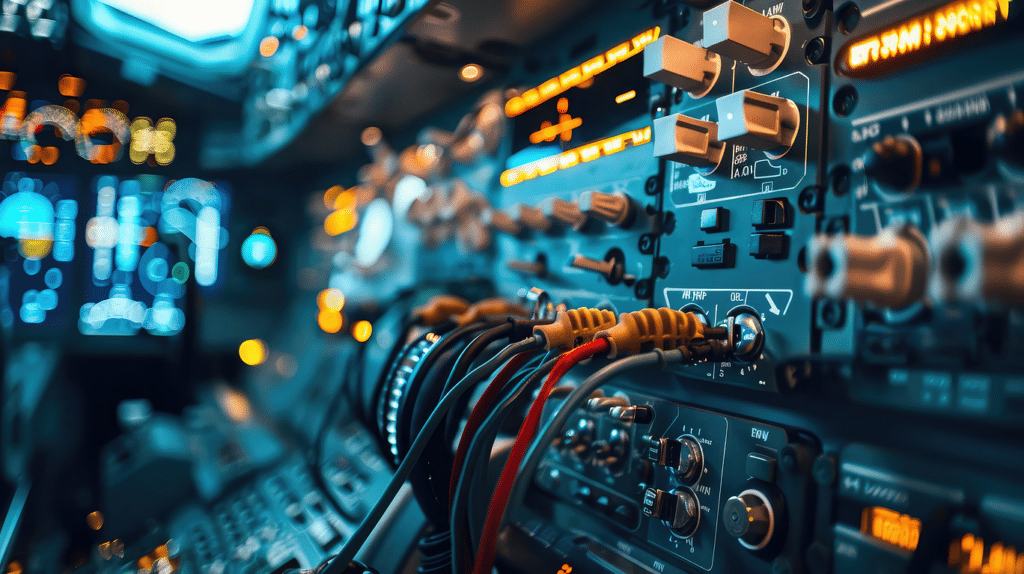
In the complex anatomy of aircraft, the electrical systems are the silent workhorses, vital to almost every aspect of aircraft operation. From powering the lights and instrumentation to ensuring the engines start without a hitch, these systems play a multitude of roles that are crucial yet often overlooked by the casual observer. At the heart of modern aviation, the main purpose of aircraft electrical systems extends far beyond just lighting up the cockpit or cabin. These systems ensure the seamless integration and function of navigation, communication, and operational systems, which are essential to both safety and efficiency in the skies. Given the sophisticated nature of these systems, there’s a significant need for specialized equipment to manage and maintain them. Start Pac, as a leader in the field, offers a glimpse into this niche industry with its comprehensive range of portable and mobile ground power units and battery packs. These units are not just ancillary tools but critical components used in the daily operations of various aircraft, from luxurious business jets to vital rescue helicopters. By providing robust and cost-effective solutions for jump-starting aircraft and powering up electrically started engines, companies like Start Pac play a pivotal role in the smooth operation and maintenance of aircraft electrical systems globally. This article delves into the main functions and significance of these electrical systems, underscoring their indispensable role in modern aviation. Core Functions of Aircraft Electrical Systems Power Generation and Distribution At its core, the aircraft electrical system manages the generation and distribution of electrical power across the entire aircraft. This system typically consists of one or more generators or alternators, which convert mechanical energy from the aircraft’s engines into electrical energy. This energy is then distributed through a complex network of wires and buses to various systems and components throughout the aircraft. An essential component in this process is the voltage regulator, which ensures that the power remains at a consistent voltage to prevent damage to electrical components. Starting Engines The airpower electrical system also plays a crucial role in starting the aircraft’s engines. Typically, a source of power such as a battery or external power unit, like those provided by Start Pac, is used to start the engines by powering the starter motor. For turbine engines, which are found in most commercial jets and many private aircraft, this involves turning the engine to an adequate speed to allow the combustion process to commence. Lighting Systems From the cabin to the cockpit, lighting is another critical role managed by the aircraft’s electrical systems. These systems not only ensure that all necessary areas are illuminated for safety and efficiency but also enhance the visibility of the aircraft to other aircraft and personnel on the ground. Avionics and Instruments Avionics are the electronic systems used in aviation to navigate, communicate, and display information. These systems depend heavily on the aircraft electrical system for power. The responsibility of an aircraft’s electrical system includes powering these avionic instruments, thereby ensuring that pilots have access to critical flight data such as altitude, airspeed, and navigational information. Safety Systems Emergency Systems In an emergency, the reliability of an aircraft electrical system becomes even more critical. Emergency lighting, smoke detection, and fire suppression systems depend on the electrical system to function correctly under adverse conditions. Redundancy and Backup Systems To ensure reliability, modern aircraft designs include redundancy in their electrical systems, which means there are duplicate systems ready to function if the primary system fails. Backup batteries and generators ensure that key systems can continue to operate even if the main power source fails, critical for maintaining safety and operations during unexpected emergencies. Passenger Comfort and Convenience The electrical systems in an aircraft also extend to passenger comfort. From the simple convenience of cabin lighting and overhead reading lights to more complex systems like air conditioning and in-flight entertainment systems, the aircraft electrical system ensures that passengers have a comfortable and enjoyable experience. This aspect highlights the versatility of electrical systems in contributing not only to the functionality but also the comfort found in modern aviation. Maintenance and Monitoring Regular maintenance and monitoring of the aircraft’s electrical systems are crucial to ensure safe and efficient operations. Technicians use sophisticated diagnostic tools to check for any abnormalities or potential failures in the system. Regular checks help in the early detection of issues which can then be rectified before they become more serious. Technological advancements have led to the development of smarter, more resilient aircraft electrical system components. These advancements not only enhance the capabilities of the electrical systems but also improve the reliability and safety of the aircraft. Innovations in aircraft electrical system design, such as the use of more efficient and lighter components, help reduce the overall weight and increase the performance of the aircraft, contributing significantly to fuel efficiency and cost-effectiveness. As the focus on sustainability increases, the integration of renewable energy sources into aircraft electrical systems is becoming more prevalent. Innovations in electrical generation and storage technologies are paving the way for more electric and hybrid aircraft designs, which promise to revolutionize the industry with reduced emissions and operational costs. For any queries on our power solutions or to learn more about our products, feel free to contact us. Overall, aircraft electrical systems are vital components that not only power a plane but ensure its safe and efficient operation from takeoff to landing. With ongoing advancements and innovations, these systems continue to evolve, making aircraft safer, more efficient, and more comfortable for all onboard. Technological Advancements and Innovations In the dynamic field of aviation, continuous improvement and innovation in aircraft electrical system design play crucial roles. With advancements aimed at enhancing capacity and reducing dependency on conventional power sources, newer technology focuses on efficiency and sustainability. Integration of Advanced Materials Recent innovations in advanced materials have led to the development of smaller, lighter electrical system components. These materials not only reduce the weight of the aircraft, contributing to fuel efficiency, but