

What Is Ground Support Equipment In Aviation?
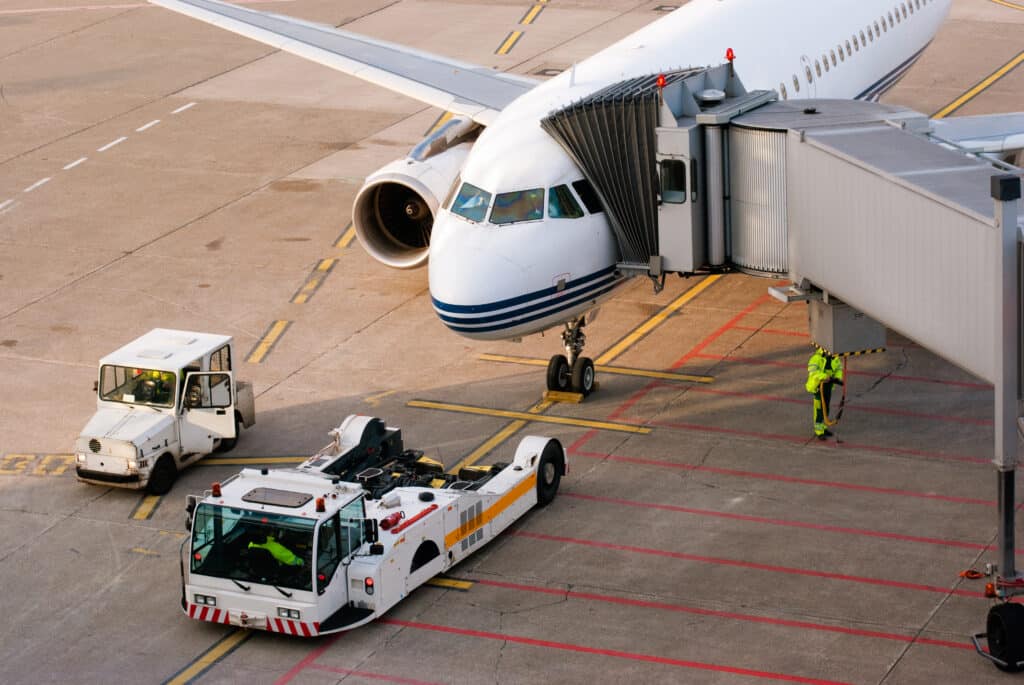
In the world of aviation, smooth and efficient operations on the ground are just as important as those in the air. Ground support equipment (GSE) plays a crucial role in making this possible. From helping with aircraft maintenance to ensuring passengers board safely, GSE is essential for every airport. Efficient use of ground support equipment ensures that airlines can stick to their schedules and that passengers experience minimal delays. The role of GSE extends to various tasks such as refueling, cleaning, and maintenance. In short, the different types of GSE make sure that aircraft are ready for their next flight safely and on time. As the aviation industry continues to grow, the importance of GSE cannot be overstated. What Is Ground Support Equipment? So, what is ground support equipment in aviation? It includes all the tools and vehicles used to service aircraft between flights. These range from simple devices like aircraft jacks to complex machines like ground power units (GPUs). Each piece of equipment has a specific function to keep everything running smoothly. Without GSE, the process of loading and unloading passengers and cargo would be chaotic, and aircraft might not be serviced properly. Definition and Purpose of Ground Support Equipment Ground support equipment (GSE) refers to the various machines and tools used to service and support aircraft operations while they are on the ground. This equipment ensures that all ground activities are carried out efficiently and safely. From maintenance and refueling to passenger boarding, GSE plays a vital role in ensuring flights can depart and arrive on schedule. The main purpose of GSE is to facilitate the necessary services and functions needed for aircraft between flights. This includes loading and unloading cargo, enabling passenger boarding, and performing maintenance checks. Whether it’s aircraft ground support equipment like air start units or simple tripod jacks, each piece of equipment has a specialized function. Without GSE, the turnaround time for flights would be significantly longer, causing delays and operational inefficiencies. Moreover, GSE services ensure that all safety protocols are met. For example, belt loaders safely manage baggage handling while fire and rescue vehicles are on standby for emergencies. From ensuring a comfortable passenger experience to maintaining airline schedules, GSE is indispensable in the world of aviation. Categories of Ground Support Equipment Aircraft Handling Equipment Ground Power Units (GPUs) Ground Power Units (GPUs) are essential for supplying aircraft with electrical power when their engines are turned off. These units help in running the onboard systems and electrical components, ensuring the aircraft is ready for its next flight without draining its batteries. Tugs and Tractors Tugs and tractors are used to move aircraft around the airport, especially in areas where using the aircraft engines would be unsafe or inefficient. These vehicles help in precise positioning required for maintenance, boarding stairs and gates, and runways. Pushback Tractors Pushback tractors are specialized tugs used to push an aircraft away from the gate. This is a crucial step during departure, as aircraft are generally unable to move backward on their own. These tractors help planes get to the taxiway safely and efficiently. Cargo and Baggage Handling Equipment Baggage Carts Baggage carts are used to transport passengers’ checked luggage between the terminal and the aircraft. These carts ensure that baggage is moved quickly and efficiently, minimizing delays in the loading and unloading process. Conveyor Belt Loaders Conveyor belt loaders are mechanical devices used to load and unload baggage and cargo from the aircraft. These loaders offer a fast and efficient way to handle luggage, making the process quicker and safer. Cargo Loaders Cargo loaders are used to load and unload large cargo on aircraft. They are designed to handle heavy and oversized items, which are crucial for freight services. These loaders ensure that cargo is securely loaded, reducing the risk of damage. Passenger Handling Equipment Passenger Boarding Bridges (Jet Bridges) Passenger boarding bridges, also known as jet bridges, provide a secure and convenient way for passengers to board and disembark from the aircraft. These bridges connect the terminal directly to the aircraft, ensuring a smooth transition. Stair Trucks Stair trucks are mobile units that provide a set of stairs for passengers to board and exit the aircraft. These are commonly used for airplanes that do not have access to jet bridges. They are essential for ensuring passenger safety and efficiency. Passenger Buses Passenger buses are used to transport passengers between the terminal and the aircraft when the airplane is parked far from the gate. These buses ensure passengers reach their destinations comfortably and safely. Aircraft Servicing Equipment Fuel Trucks Fuel trucks are responsible for refueling aircraft. These trucks ensure that airplanes have the necessary fuel supply for their next journey, playing a critical role in the turnaround process. Lavatory Service Trucks Lavatory service trucks manage the cleaning and restocking of the aircraft lavatories. These trucks make sure that the airplane’s restrooms are clean and ready for passenger use. Water Service Trucks Water service trucks supply fresh water to aircraft for use in the lavatories and galleys. These trucks are essential for maintaining hygiene and passenger comfort. Deicing Trucks Deicing trucks are used to remove ice and snow from aircraft surfaces. This process is crucial for flight safety, especially in cold weather conditions, ensuring that flights can operate without delays. Maintenance and Safety Equipment Maintenance Stands Maintenance stands provide a safe platform for technicians to work on different parts of the aircraft. These stands are crucial for performing inspections, repairs, and routine maintenance. Fire and Rescue Vehicles Fire and rescue vehicles are on standby for emergency situations. These vehicles are equipped to handle fire outbreaks and other emergencies, ensuring the safety of passengers and crew. Aircraft Jacks and Towbars Aircraft jacks and towbars are used for lifting and towing aircraft. These tools are essential for maintenance and positioning tasks. Proper use ensures that aircraft can be serviced safely and efficiently. By categorizing ground support equipment, airports can maintain smooth and efficient operations, ensuring timely departures and arrivals. This