

Hybrid Engines in Aviation:
Pros and Cons
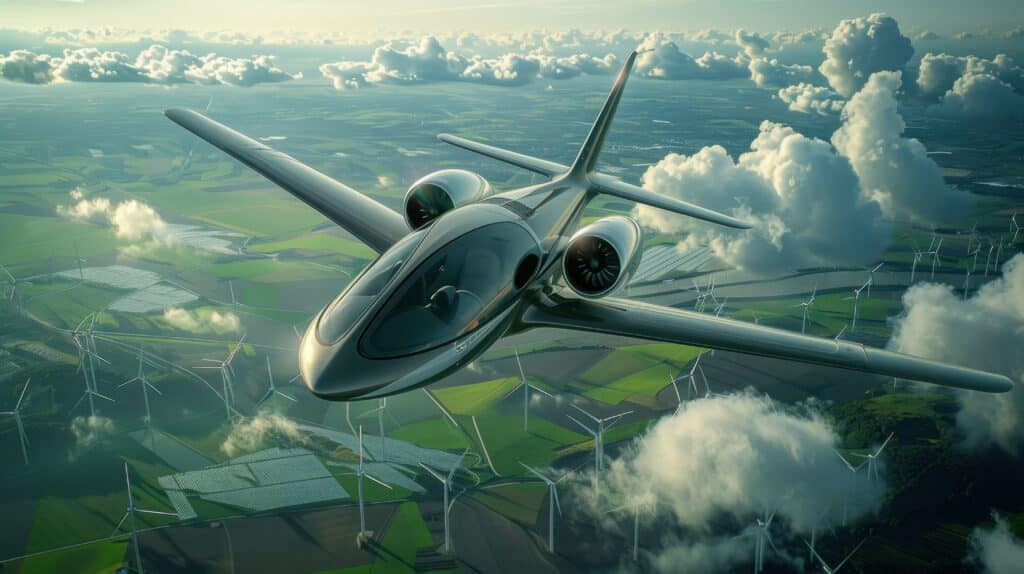
The world is grappling with the urgent need to combat climate change and reduce carbon emissions, placing the aviation industry at a crossroads. With air travel accounting for approximately 2-3% of global CO2 emissions, the push for sustainable solutions has never been more critical. Enter hybrid engines—a groundbreaking technology that combines traditional internal combustion engines with electric propulsion systems. But what’s a hybrid engine, and how can it revolutionize the way we fly? Hybrid engines offer a promising pathway to enhance fuel efficiency, lower emissions, and reduce noise pollution, making them a compelling option for modern aircraft. Additionally, these systems can cut CO2 emissions by over 75% in certain scenarios, helping the aviation industry meet climate targets. As airlines and manufacturers explore innovative solutions to meet regulatory demands and consumer expectations, understanding the pros and cons of hybrid engines is essential. Overview of Hybrid Engine Technology Hybrid engine technology integrates multiple power sources to optimize performance and efficiency. In aviation, this typically involves a combination of an internal combustion engine (ICE) and electric motors. The primary objective is to leverage the strengths of both systems: the high energy density of traditional fuels and the efficiency of electric propulsion. Hybrid engines can operate in various modes, allowing for flexibility in energy use. For example, during takeoff, the ICE may provide the necessary thrust, while the electric motor assists during cruising or landing phases. This dual approach not only enhances fuel efficiency but also reduces noise and emissions, making hybrid engines an attractive option for modern aircraft. Components of Hybrid Engines Electric Motors Electric motors are a crucial component of hybrid engines, providing additional thrust and enabling more efficient operation during specific flight phases. These motors can be powered by a hybrid battery, which stores energy generated from the ICE or through regenerative braking during descent. Electric motors are typically lighter and more efficient than traditional engines, contributing to overall performance improvements. Internal Combustion Engines The internal combustion engine remains a vital part of hybrid engines, especially for takeoff and high-thrust scenarios. Gasoline engines or jet turbines can be utilized, depending on the aircraft’s design and operational requirements. The ICE provides the necessary power during critical phases of flight, while the hybrid system optimizes fuel consumption during less demanding stages. Energy Storage Systems (Batteries, Fuel Cells) Energy storage systems, including hybrid batteries and fuel cells, play a significant role in hybrid engines. These systems store energy generated by the ICE or from external sources, allowing for efficient energy management. The stored energy can be used to power electric motors during specific flight phases, enhancing overall efficiency and reducing reliance on fossil fuels. How Hybrid Engines Work? Hybrid engines operate by intelligently managing the power output from both the internal combustion engine and the electric motors. During takeoff, the ICE provides the majority of thrust, while the electric motors can assist to reduce fuel consumption. As the aircraft reaches cruising altitude, the system can switch to a more efficient mode, utilizing the electric motors for propulsion and allowing the ICE to operate at optimal efficiency to charge the battery. This dynamic power management allows for improved fuel efficiency and reduced emissions. By optimizing the use of both power sources, hybrid engines can significantly lower operational costs while meeting regulatory requirements for emissions and noise. Hybrid Engine Development in Aviation The development of hybrid engines in aviation is gaining momentum, driven by the need for sustainable solutions in the industry. Various companies and research institutions are investing in hybrid technology to create more efficient and environmentally friendly aircraft. The transition to hybrid engines is seen as a stepping stone towards fully electric aviation, which faces challenges related to energy density and battery technology. Pros of Hybrid Engines in Aviation Environmental Benefit One of the most significant advantages of hybrid engines is their potential to reduce environmental impact. By combining electric propulsion with traditional engines, hybrid systems can lower greenhouse gas emissions and noise pollution. This aligns with global efforts to combat climate change and improve air quality. Economic Advantages Hybrid engines can lead to substantial cost savings for airlines. Improved fuel efficiency translates to lower operational costs, which can be crucial in a competitive market. Additionally, hybrid technology may qualify for various government incentives aimed at promoting sustainable aviation practices. Technological Benefits The integration of hybrid technology in aviation fosters innovation and technological advancements. As manufacturers develop more efficient engines, they contribute to a broader understanding of energy management and propulsion systems, paving the way for future advancements in aviation technology. Regulatory and Market Incentives Governments and regulatory bodies are increasingly offering incentives for the adoption of hybrid technology in aviation. These incentives can include tax breaks, grants for research and development, and support for infrastructure development, making it more attractive for airlines to invest in hybrid engines. Cons of Hybrid Engines in Aviation Technological Challenges Despite their potential, hybrid engines face several technological challenges. The integration of multiple power sources requires sophisticated control systems to manage energy distribution effectively. Additionally, the development of reliable and efficient hybrid systems is still in its infancy, necessitating further research and testing. Weight and Space Constraints Hybrid systems can add weight and complexity to aircraft designs. The inclusion of electric motors and batteries requires careful consideration of weight distribution and structural integrity. This can limit the payload capacity and range of hybrid aircraft compared to their traditional counterparts. Energy Density Issues The energy density of current battery technology poses a significant challenge for hybrid engines. While batteries are improving, they still do not match the energy density of conventional fuels. This limitation affects the overall efficiency and range of hybrid aircraft, making it difficult to compete with traditional aviation technologies. Economic Disadvantages High Initial Costs The initial costs of developing and implementing hybrid engines can be high. Research and development expenses, coupled with the need for specialized maintenance and infrastructure, can deter airlines from adopting hybrid technology. Maintenance and Infrastructure Costs Hybrid engines require specialized maintenance