

Which Battery Is Used In Aircraft?
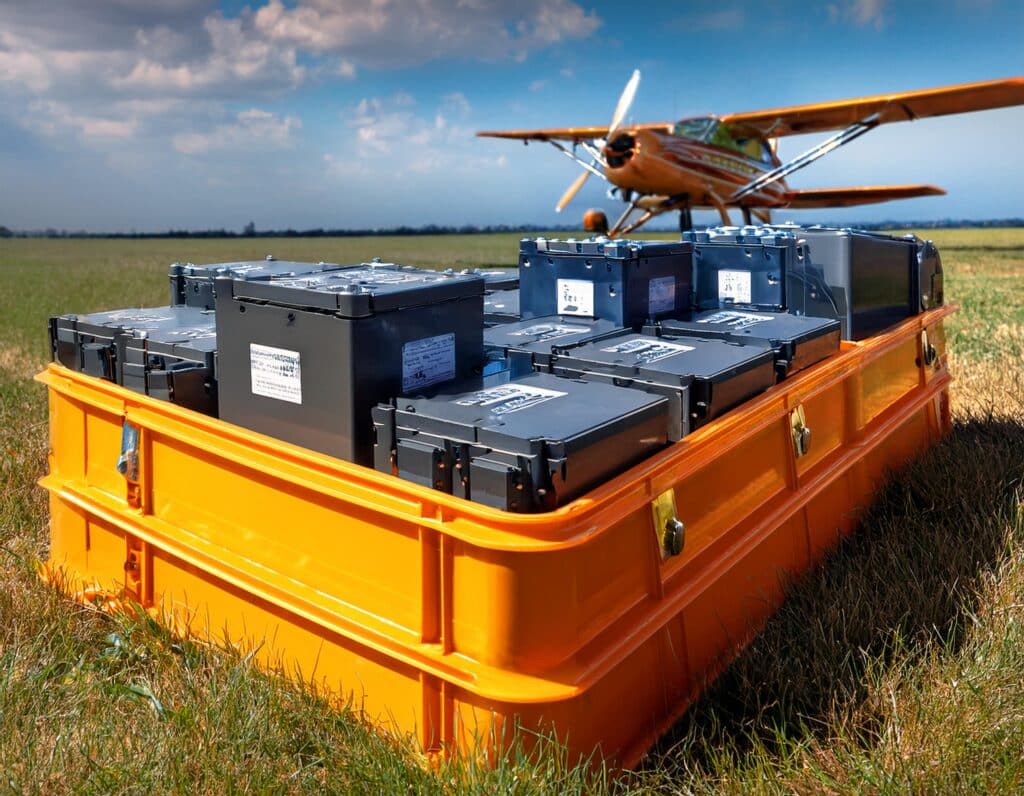
The aviation industry operates under stringent safety and performance standards, making the choice of battery technology a critical factor in aircraft design and operation. Batteries are not merely power sources; they are integral components that support various functions, from starting engines to powering essential systems during flight. As aircraft technology evolves, so does the need for more efficient, reliable, and lightweight battery solutions. Understanding these battery types is essential for aviation professionals, engineers, and maintenance personnel who aim to enhance aircraft safety and operational efficiency. Types of Aircraft Batteries The primary types of aircraft batteries utilized in aviation are lead-acid, nickel-cadmium (Ni-Cd), and lithium-ion batteries. Each type is chosen based on unique operational requirements, safety considerations, and performance characteristics. Lead-Acid Batteries Lead-acid batteries have been a staple in aviation for decades, particularly in general aviation. Characteristics: These batteries consist of lead dioxide (PbO2) as the positive plate, sponge lead (Pb) as the negative plate and a diluted sulfuric acid (H2SO4) electrolyte. They typically operate at a nominal voltage of 12 or 24 volts. The specific energy density is around 30-50 Wh/kg, which is relatively low compared to newer technologies. Benefits: The primary advantages of lead-acid batteries include their low initial cost and robustness. They can endure a high number of charge-discharge cycles (approximately 200-300 cycles) and are capable of delivering high surge currents, making them ideal for engine-starting applications. Usage: In aviation, lead-acid batteries are often used for starting piston engines and powering essential avionics. Their simplicity and reliability make them suitable for smaller aircraft and ground support equipment. Additionally, they are often employed in emergency systems, providing backup power when generators fail. Nickel-Cadmium (Ni-Cd) Batteries Nickel-cadmium (Ni-Cd) batteries are widely used in commercial and larger aircraft due to their superior performance characteristics. Characteristics: Ni-Cd batteries consist of nickel hydroxide (Ni(OH)2) as the positive electrode and cadmium (Cd) as the negative electrode, with an alkaline electrolyte (typically potassium hydroxide). They offer a nominal voltage of 1.2 volts per cell and have a specific energy density of approximately 40-60 Wh/kg. Benefits: Ni-Cd batteries exhibit excellent cycle life (up to 1,500 cycles) and can operate efficiently in extreme temperatures, ranging from -40°C to +70°C. Their low self-discharge rate (around 10% per month) and ability to deliver high discharge currents make them suitable for critical applications. Usage: Ni-Cd batteries are used in larger aircraft for engine starting, emergency power systems, and backup power for avionics. Their reliability and performance under demanding conditions make them a preferred choice for commercial aircraft. Lithium-Ion Batteries Lithium-ion batteries represent the latest advancement in aviation battery technology, offering significant improvements in energy density and weight. Characteristics: Lithium-ion batteries utilize lithium cobalt oxide (LiCoO2) or lithium iron phosphate (LiFePO4) as the cathode material and graphite as the anode. They typically operate at a nominal voltage of 3.7 volts per cell, with a specific energy density ranging from 150 to 250 Wh/kg, significantly higher than lead-acid and Ni-Cd batteries. Benefits: The advantages of lithium-ion batteries include a longer cycle life (up to 2,000 cycles), faster charging capabilities, and a much lower weight-to-energy ratio. They also have a higher efficiency (around 90-95%) compared to traditional battery technologies, making them ideal for modern aircraft designs. Usage: Lithium-ion batteries are increasingly being integrated into modern aircraft for applications such as auxiliary power units (APUs), cabin power, and even primary propulsion systems in electric aircraft. Their lightweight and high energy density makes them suitable for next-generation aviation designs, providing significant operational advantages. Safety Concerns and Mitigations Safety is a paramount concern in aviation battery technology, and each type of aircraft battery presents unique challenges. Lead-Acid Batteries: The primary safety concern with lead-acid batteries is the risk of thermal runaway and gas emissions (hydrogen) during charging. To mitigate these risks, proper ventilation systems and temperature monitoring are essential during operation and maintenance. Ni-Cd Batteries: Ni-Cd batteries can experience thermal runaway if subjected to overcharging or physical damage. Regular maintenance, including capacity testing and adherence to charging protocols, is crucial to ensure safe operation. Lithium-Ion Batteries: Lithium-ion batteries are susceptible to thermal runaway if damaged or improperly charged, leading to potential fire hazards. Advanced battery management systems (BMS) are employed to monitor voltage, temperature, and current to prevent such incidents. Additionally, the use of fire-resistant containment systems is recommended for aircraft applications. Regulatory Requirements The aviation industry is governed by stringent regulatory requirements regarding battery usage. Aircraft batteries must comply with standards set forth by aviation authorities, including the Federal Aviation Administration (FAA) and the European Union Aviation Safety Agency (EASA). These regulations encompass testing protocols, performance criteria, and safety standards to ensure that batteries are reliable and safe for aviation applications. Compliance with these regulations is essential for maintaining the safety and performance of aircraft systems. In conclusion, the selection of an aircraft battery is a critical decision that affects the performance, safety, and efficiency of aviation operations. Lead-acid batteries, nickel-cadmium batteries, and lithium-ion batteries each offer unique technical characteristics and benefits suited for different aviation applications. Understanding the specific requirements and safety considerations for each battery type is essential for ensuring optimal performance in aircraft. As the industry evolves, the integration of advanced battery technologies will continue to enhance the capabilities of modern aircraft. For further technical insights on aircraft batteries and their applications, consider exploring resources on portable lead acid starting units or contact us for expert guidance.
What is Locomotive Mining?

Locomotive mining is a specialized segment of the mining industry that utilizes mining locomotives to transport materials, equipment, and personnel within underground mines. This method of transportation is crucial for optimizing the efficiency and safety of mining operations. With a history dating back to the early 19th century, locomotive mining has evolved significantly, incorporating advanced technologies and engineering practices. Understanding Mining Locomotives Mining locomotives are specifically designed vehicles that operate on narrow-gauge tracks, primarily in underground environments. Unlike traditional freight locomotives, these vehicles are engineered to navigate the confined spaces and steep gradients typical of mining operations. According to a study by the International Council on Mining and Metals (ICMM), the use of locomotives in mining can increase the efficiency of material transport by up to 50%, significantly reducing operational costs. Key Features of Mining Locomotives Size and Maneuverability: Mining locomotives are generally smaller and more agile, allowing them to operate in tight spaces. Heavy-Duty Construction: Built to withstand harsh conditions, these locomotives are designed for durability and reliability. Advanced Safety Features: Many modern mining locomotives come equipped with state-of-the-art safety systems to protect operators and ensure compliance with industry regulations. Importance in the Mining Industry The role of mining locomotives is pivotal in the overall productivity of mining operations. They facilitate the efficient movement of ore, coal, and other minerals from extraction sites to processing facilities. A report from the Mining Industry Association highlights that effective transportation systems, including mining locomotive, can reduce the time taken for material handling by up to 30%, thereby enhancing overall productivity. Economic Impact Cost Reduction: By minimizing manual labor and optimizing transport routes, mining locomotives help reduce operational costs. Increased Output: Efficient transportation directly correlates with increased output, allowing mines to meet production targets more effectively. Types of Locomotives Used in Mining Electric Locomotives Electric locomotives are powered by electricity supplied through overhead lines or a third rail. They are favored for their efficiency and lower emissions. According to a study electric locomotives can reduce greenhouse gas emissions by approximately 30% compared to diesel counterparts. Diesel Locomotives Diesel locomotives are versatile and can operate in both underground and surface mines. They are particularly advantageous in areas lacking electric infrastructure. Research indicates that diesel locomotives can operate effectively in extreme environments, making them a reliable choice for many mining operations. Battery-Powered Locomotives Battery-powered locomotives are gaining traction due to their low emissions and quiet operation. These locomotives are particularly beneficial in underground mines where ventilation is a concern. A recent innovation in battery technology has allowed for longer operational times and faster recharging, making them a viable option for modern mining operations. Components and Operation of Mining Locomotives Mining locomotives consist of several critical components that ensure their effective operation: Engine: The heart of the locomotive, which can be electric, diesel, or battery-powered. Tracks: Specialized narrow-gauge tracks designed for the unique demands of mining environments. Brakes: Essential for ensuring safety, especially on steep gradients. Safety Systems: These include automatic shut-off features and emergency brakes, which are crucial for operator safety. How Do Locomotives Operate in Mines? Mining locomotives operate by transporting materials along designated tracks. Operators must have specialized training to navigate the complexities of underground environments, ensuring the safe and efficient movement of goods. According to the Mine Safety and Health Administration (MSHA), proper training can reduce accidents related to locomotive operations by up to 40%. Applications of Mining Locomotives Mining locomotives serve various applications, including: Transportation of Materials: Efficiently moving ore and minerals from extraction points to processing facilities. Personnel Transport: Safely transporting workers to and from work sites. Equipment Movement: Facilitating the transport of heavy duty machinery and tools necessary for mining operations. Safety and Efficiency The integration of mining locomotives into mining operations significantly enhances both safety and efficiency. Safety is paramount in mining, where the risk of accidents can be high due to the challenging environments. Mining locomotive is equipped with advanced safety features, such as: Automatic Braking Systems: These systems help prevent accidents by automatically stopping the locomotive in emergency situations. Communication Systems: Ensuring that operators can communicate effectively, especially in noisy environments. Regular Maintenance Protocols: Implementing strict maintenance schedules to ensure that all components are functioning optimally. Efficiency Gains The use of mining locomotives can lead to substantial efficiency gains. For instance, locomotives can transport larger quantities of materials in a single trip compared to trucks or manual transport methods. This not only speeds up the material handling process but also reduces fuel consumption and operational costs. According to the Mining Association, companies that have adopted locomotive systems have reported efficiency improvements of up to 25%. Operational Challenges in Mining Locomotives Despite their advantages, mining locomotives face several operational challenges: Harsh Environments: Underground mines present extreme conditions that can affect locomotive performance. Space Limitations: Navigating tight spaces requires precise operation and skilled personnel. Maintenance Needs: Regular maintenance is essential to ensure reliability and safety, which can be logistically challenging in remote locations. Solutions and Innovations in Mining Locomotives The mining industry is continuously innovating to address the challenges faced by mining locomotives. Recent developments include: Advanced Materials: The use of lightweight, durable materials to enhance locomotive performance and reduce energy consumption. Automation: Implementing automated systems to improve efficiency and reduce human error. Sustainability Initiatives: Transitioning to electric and battery-powered locomotives to minimize environmental impact. Sustainability and Environmental Impact in Mining Locomotives As the mining industry faces increasing scrutiny regarding its environmental impact, the role of locomotives in promoting sustainability is becoming more pronounced. Electric and battery-powered locomotives significantly reduce emissions, aligning with global efforts to combat climate change. The World Bank reports that transitioning to cleaner technologies in mining can lead to a 50% reduction in carbon emissions. In conclusion, mining locomotives are a vital component of the mining industry, enhancing efficiency, safety, and sustainability. As technology advances, the future of locomotive in mining looks promising, with innovations paving the way for more environmentally friendly and efficient operations. Understanding the nuances of this essential aspect of mining