

The Future of Sustainable Aviation: How Aerospace Sustainability is Reshaping Air Travel
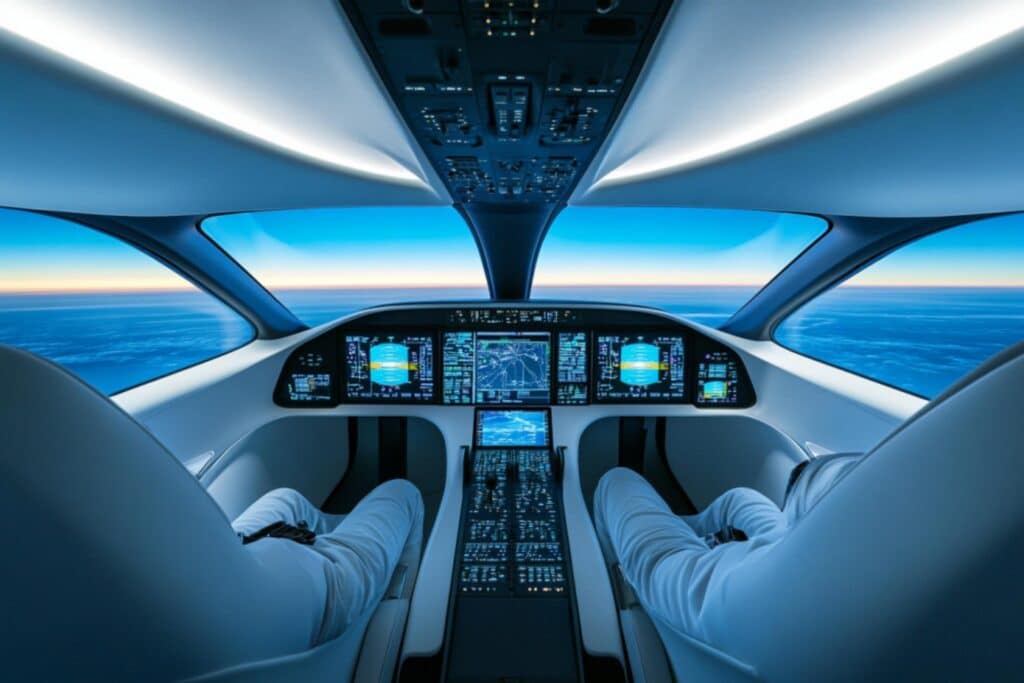
You probably don’t think about sustainable aviation every time you hop on a plane. But the truth is, a lot’s happening behind the scenes. Big changes are coming that’ll make flying cleaner, smarter, and greener without you even noticing — until you do. If you’re curious about where air travel is heading, stick around. It’s exciting, it’s happening now, and it’s shaping how you’ll fly tomorrow. Pioneering Technologies in Sustainable Aviation The competition for environmentally friendly aircraft has intensified. Airlines, engineers, and scientists are coming up with new ways to clean the air. Some concentrate on novel fuels. Others are using a completely different method to construct planes from the ground up. Every new development brings us one step closer to safer, cleaner air travel that benefits both the environment and you. Sustainable Aviation Fuels (SAF) Revolution The way that aircraft refuel is being altered by Sustainable Aviation Fuels (SAFs). SAFs are derived from renewable resources, such as plants, algae, or even recycled waste, as opposed to fossil fuels. They can reduce carbon emissions by as much as 80%. By investing in SAFs, airlines are advancing aviation sustainability and making it much more feasible. Fuelling stations at major airports are now selling SAF blends, and governments are stepping in with incentives to lower the cost. Without the need for new aircraft designs, SAFs could eventually power a significant portion of international flights. Electric and Hybrid-Electric Aircraft Electric and hybrid-electric planes are no longer just futuristic ideas. Companies are developing aircraft that use electricity to fly short routes. Planes with hybrid engines are a smart next step, using electricity during takeoff and landing to save fuel. Learn more about what’s a hybrid engine and how it changes the game for airline sustainability. These innovations mean quieter airports, less air pollution, and lower operating costs for airlines and sustainability. Hydrogen-Powered Aircraft One of the riskiest investments in aerospace sustainability is hydrogen power. Electricity can be produced by burning hydrogen in fuel cells or jet engines. In any case, water vapour is the only byproduct. Already, a few large aircraft manufacturers are creating aircraft especially for hydrogen use. Special refuelling equipment will be required at airports, but the benefit might be carbon-emission-free flights. Advancements in Aircraft Design and Materials Developing more intelligent aircraft is as crucial as changing fuels. Making aircraft that require less energy to operate is the key to much of the advancement in sustainable aviation. By being lighter, smarter, and more aerodynamic, modern designs are reducing emissions by tonnes. Lightweight and Aerodynamic Innovations Engineers of today substitute carbon-fiber composites for heavy metals. Despite being extremely light, these materials are strong. They reduce fuel consumption without compromising aircraft safety. Additionally, new aerodynamic designs make it easier for planes to glide through the air by reducing drag. These modifications significantly reduce each flight’s carbon footprint, contributing to aviation sustainability initiatives. Smart Avionics and AI Optimization Intelligent avionics systems are improving the efficiency of aircraft flight. New cockpit systems that use AI and machine learning are able to optimise engine performance, choose the best routes, and change speeds in real time. It’s a huge win for sustainability and airlines alike. AI improves flight safety and smoothness in addition to saving fuel. Green Airports and Infrastructure Development The planes aren’t the only thing changing. In order to meet airline sustainability goals, airports are taking the initiative. Even before the aircraft takes off, green infrastructure helps reduce emissions. Eco-Friendly Airport Management By implementing water-saving measures, renewable energy systems, and LED lighting, airports are drastically reducing their energy consumption. In order to reduce energy requirements, they are even reconsidering the design of terminals by utilising natural light and improved insulation. Airlines and sustainability practices in general are strongly modelled by sustainable airports. Ground Support Equipment Electrification The cars and equipment you see speeding across the runway are also important. Electric trucks are replacing diesel-powered ones at many airports. Airport emissions are significantly reduced by electric ground support equipment, such as baggage loaders and tugs. A significant difference can be made prior to takeoff by using electric ground power units, which allow aircraft to remain powered while on the ground without burning jet fuel. Sustainable Air Traffic Management Greener flying is also a result of improved air traffic control. Aircraft can avoid lengthy holding patterns and travel straighter thanks to smarter systems. Eliminating needless flight time lowers emissions and fuel consumption. For sustainability, some airports are spending money on technological advancements that are especially targeted at air traffic control. The Role of Airlines and Industry Leaders Without major players taking the initiative, nothing changes. By putting actual money and effort into environmentally friendly aviation projects, airlines and aircraft manufacturers are setting the standard for a more environmentally friendly future. Airline Sustainability Commitments Nowadays, a lot of airlines release reports on a regular basis to monitor their progress in being more sustainable. In addition to making significant investments in initiatives like SAFs and carbon offsetting, they are establishing attainable targets, such as becoming net-zero by 2050. You can easily contribute to the solution because some airlines even give their customers the option to pay more for environmentally friendly travel options. Aerospace Manufacturers Leading the Change Large manufacturers are fully committed to the sustainability of aerospace. They are creating whole new fleets with an emphasis on future fuels, smarter systems, and reduced emissions. Their inventiveness isn’t limited to aircraft either; it’s also influencing the design of airport vehicles, maintenance procedures, and even flight scheduling. All of this is a part of a larger movement to turn aviation sustainability from a pipe dream to a practical, attainable objective. The Future of Air Travel: What’s Next? The future of sustainable aviation appears to be quite promising. Your next vacation flight might be cleaner than you think thanks to advancements in electric, hydrogen, and SAF technologies. Airports will keep becoming greener, and airlines will probably compete on sustainability as well as price. There will be an increase in the use