

Aircraft Categories Explained: Types and Classifications
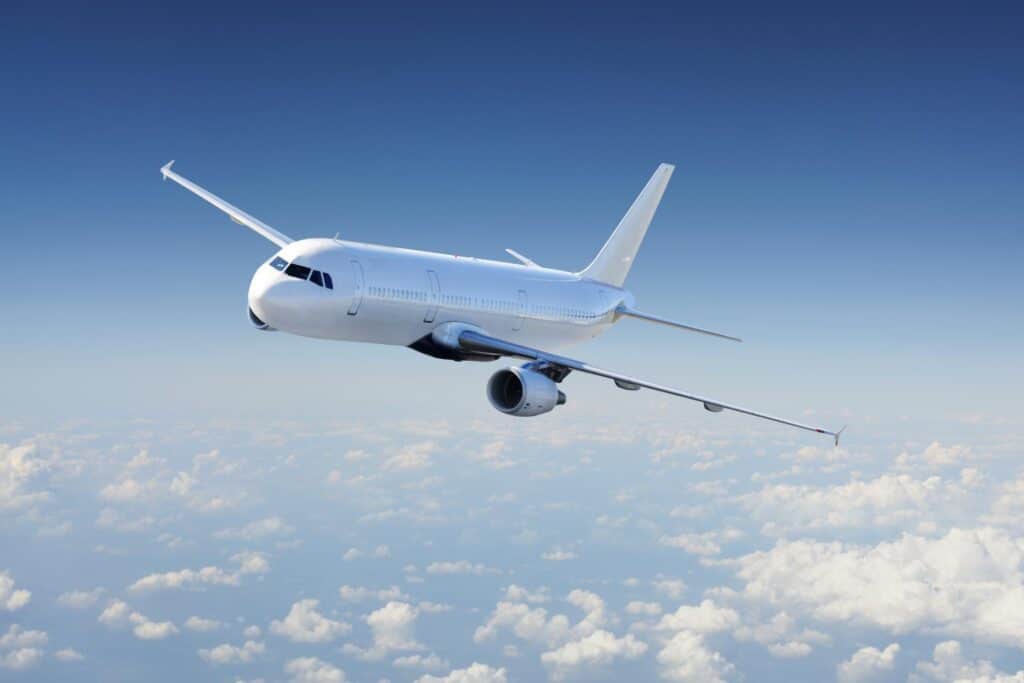
You’ve heard the terms tossed around at the airfield or in a hangar: category, class, type. They sound interchangeable, but in the world of aviation, these aircraft categories are anything but. Getting them wrong isn’t just bad form—it has serious implications for safety, pilot licensing, and the law. These classifications are the bedrock of how we keep pilots, passengers, and the skies themselves safe. They’re the rulebook. And knowing the rules is everything. What Defines an Aircraft Category in Aviation? In simple terms, the different categories of aircraft represent the broadest sorting method used by aviation authorities. It’s the first, most fundamental grouping, organizing aircraft by their basic design and how they achieve flight. Think of it as the top-level folder that all other classifications live inside. The whole point is to create order. By establishing these high-level aircraft categories, regulatory bodies like the FAA can set baseline standards for pilot training and aircraft manufacturing. It ensures a helicopter pilot isn’t using the same training manual as a glider pilot. Each category has its own unique physics, risks, and operational needs. This system provides the foundation for safety across all of flight. What Distinguishes Aircraft Categories, Classes, and Types? Here’s where people get tangled up. The terms category and class of aircraft seem similar, but they form a clear hierarchy defined by federal regulations. It’s a system of nested dolls, moving from the most general to the most specific. Understanding this progression is non-negotiable for any pilot, mechanic, or serious enthusiast. Category: This is the big-picture grouping based on the fundamental method of flight. It answers the question: “How does it fly?” The primary categories of aircraft include Airplane, Rotorcraft, Glider, Lighter-Than-Air, and Powered Lift, among others. Each is a fundamentally different kind of flying machine. Class: This is the next level down, a subdivision within a category. It groups aircraft with similar operating characteristics, like propulsion or landing gear. Within the Airplane category, you have classes like Single-Engine Land, Multi-Engine Land, Single-Engine Sea, and Multi-Engine Sea. For Rotorcraft, the main classes are Helicopter and Gyroplane. Type: This is the most specific designation. It refers to a particular make and model of aircraft that is unique enough to require its own dedicated pilot training and endorsement, known as a Type Rating. Any aircraft with a max takeoff weight over 12,500 pounds or any turbojet-powered aircraft automatically requires a type rating. Think Boeing 737, Airbus A320, or a Gulfstream G650. These distinctions are critical. They dictate the exact licenses a pilot needs, what they’re legally allowed to fly, and how they must be trained. You can’t just hop from a single-engine Cessna into a multi-engine King Air without getting certified for that new class. The same logic applies to the many types of military aircraft, which often have their own unique and stringent certification paths. Category Common Classes Example Types (Requiring Type Rating) Airplane Single-Engine Land, Multi-Engine Land, Single-Engine Sea, Multi-Engine Sea Boeing 747, Cessna Citation CJ4, Airbus A380 Rotorcraft Helicopter, Gyroplane Sikorsky S-92, Bell 525 Lighter-Than-Air Airship, Balloon Goodyear Blimp (specific training required) Powered Lift None Bell Boeing V-22 Osprey Glider None Typically do not require type ratings Aircraft Categories and Certification: Regulatory Frameworks and Standards Classifications aren’t just for pilots; they’re even more critical for the machines themselves. An aircraft’s certification category defines what it’s legally built to do—and more importantly, what it isn’t. These standards are set by regulatory bodies like the Federal Aviation Administration (FAA) in the U.S., the European Union Aviation Safety Agency (EASA), and are coordinated globally through the International Civil Aviation Organization (ICAO). While these bodies all share the same goal—safety—their approaches can differ slightly in terminology or specific requirements, though they strive for harmony to facilitate international travel. And here’s a point that trips up nearly everyone: the pilot certification categories on a license and the certification categories for an aircraft are two different worlds. Don’t confuse them. A pilot holds an “Airplane” category rating on their license. The plane itself? It’s certified in a category like “Normal” or “Transport.” One set of rules is for the person, the other is for the machine. The standards for aircraft certification dictate everything from structural strength and engine reliability to the required onboard systems. This process is intense and expensive, but it’s the only way to ensure a plane is safe for its intended mission. Failures here are not an option. The main aircraft certification categories include: Normal: For aircraft with a seating capacity of nine or fewer and a max takeoff weight of 12,500 lbs. They are not approved for aerobatic maneuvers. Most private planes fall in here. Utility: Built a bit tougher than Normal category aircraft. They can withstand increased loads and are approved for limited aerobatics, like intentional spins. Acrobatic: Designed for the stress of aerobatic flight. These airframes can handle G-forces and maneuvers that would tear a Normal category plane apart. Transport: This is the category for the big leagues—airliners and other large aircraft. These planes must meet the highest standards of redundancy and safety for carrying passengers. Experimental: A broad category for everything from amateur-built kits to corporate R&D projects. They have strict operating limitations, especially regarding flying over populated areas or carrying passengers for hire. Restricted: These are special-purpose aircraft, often former military planes or agricultural sprayers, limited to specific operations. Proper aircraft maintenance is directly tied to these certifications. A Transport category airliner has a vastly more demanding and complex inspection schedule than a Normal category Cessna. The rules ensure the machine remains as safe as the day it was certified. Special Aircraft Categories and Emerging Types Aviation never sits still. New technologies are constantly pushing the boundaries, forcing regulators to adapt and create new classifications. The neat boxes of yesterday are being expanded to include the flying machines of tomorrow. Even before the rise of drones, special aircraft categories like Restricted and Provisional existed for aircraft with unique, limited roles. But today’s innovation is focused on