
Sustainable Trains: Technology, Fuel, and What Comes Next
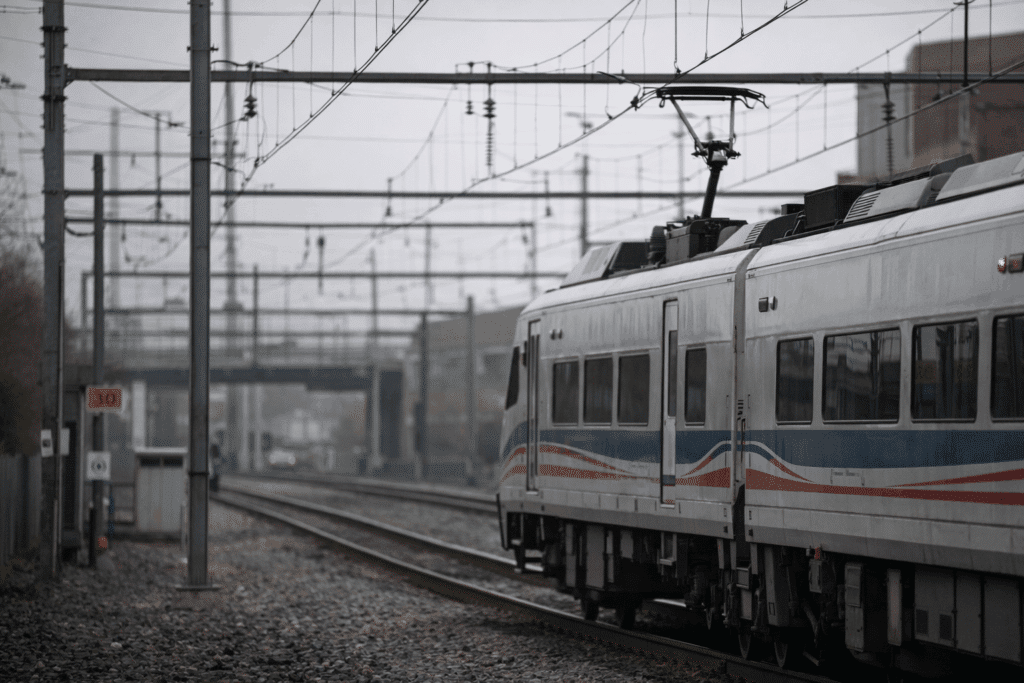
Greenhouse gas emissions from transportation keep climbing. Cars, trucks, ships, and planes all contribute to the problem, and governments worldwide are searching for better options. Transportation sustainability has become a policy priority, and rail offers a proven solution. Trains already move millions of people and tons of freight every day, and newer low-emission trains are entering service worldwide. What makes a train sustainable, how do different fuel types compare, and where is rail technology headed? Each of these questions shapes how sustainable trains fit into the future of transportation. What Makes a Train Sustainable Sustainability in rail comes down to energy use, pollution output, and how long equipment lasts before replacement. Older diesel locomotives burn fuel constantly and release exhaust into the air. Sustainable designs flip that model. Engineers have developed trains that sip energy instead of guzzling it, release little or no pollution, and keep running for 30–35 years with proper maintenance. Understanding how a train engine works helps explain why some designs outperform others so dramatically. Rail has always had a built-in advantage. Steel wheels on steel rails create almost no friction compared to rubber tires on asphalt. Modern sustainable rail transport systems push efficiency even further through computer-controlled power management, lighter body materials, and motors that waste less energy as heat. Numbers show the difference clearly. A diesel-only train releases approximately 90 grams of carbon dioxide for every passenger-kilometer. An electric train drawing power from a renewable grid drops that figure to 4–5 grams. The same journey produces only a fraction of the pollution. Why Trains Are Considered an Eco-Friendly Transport Option Physics gives trains an edge that cars and planes simply cannot match. One engine pulls dozens of cars. Hundreds of passengers share the energy cost of a single trip. Freight works the same way. A locomotive hauling 100 cargo containers uses far less fuel per ton than 100 separate trucks would. The fuel efficiency that rail offers is unmatched among land transport options. Industry data confirms the eco-friendly train reputation. Rail carries roughly 7% of the world’s passengers but only about 1% of transportation emissions. Freight rail shows similar results. A single train can replace hundreds of trucks, cutting both pollution and highway congestion. Capacity matters too. During rush hour, when trains run at 80–90% full, emissions per passenger drop to their lowest point. Even half-empty trains beat cars because the energy cost spreads across so many seats. Understanding the locomotive vs train distinction helps here: one locomotive can pull many cars, spreading energy costs across hundreds of passengers. Are Trains More Sustainable Than Planes When it comes to air travel, the comparison is stark. Flying dumps far more carbon dioxide into the atmosphere per passenger mile than rail travel. On routes under 500 miles, trains win by a wide margin in almost every environmental measure. Consider a London to Edinburgh trip. The Rail Delivery Group measured just 12.5 kg versus 165 kg for the same journey, a reduction of more than 90%. On comparable routes, trains typically produce more than 85% fewer emissions than planes. French TGV trains running on renewable electricity push that gap even wider. Are trains more sustainable than planes across the board? For regional and intercity routes, absolutely. France has banned short domestic flights where fast train service exists, and Spain is moving toward similar restrictions. On affected routes, rail cuts emissions by up to 90%. Aviation still makes sense for crossing oceans or connecting continents without rail links. But for distances where both options exist, trains deliver a clear environmental advantage. Electric Trains and Rail Electrification Rail electrification changes the equation. Some systems run overhead catenary wires, feeding power through a pantograph on the train’s roof. Others use a third rail at track level with contact shoes that slide along it. Both approaches pull electricity from the grid instead of burning fuel onboard, so direct emissions drop to zero. Where that grid power originates determines the real environmental impact. Coal-heavy electrical grids still create pollution, just at the power plant instead of the train. But grids are changing. Wind farms, solar installations, and other renewable sources now supply growing shares of electricity in many countries. This shift toward green rail technology has accelerated as rail operators buy renewable power specifically for their networks. Some European systems run entirely on wind and solar. Electric motors also convert energy more efficiently than diesel engines. About 95% efficiency is typical for electric motors. Diesel engines manage only 30–35%. The rest escapes as waste heat. Over decades of operation, that efficiency gap adds up to enormous fuel savings and pollution reduction. Alternative Fuels Used in Sustainable Trains Overhead wires cost millions to install. Remote routes and low-traffic lines often cannot justify that expense. Alternative fuels fill the gap, bringing cleaner operation to tracks that will never see electrification. Three main technologies are leading this shift: Hydrogen trains have gained the most attention. Germany now runs the world’s first hydrogen railway, and California launched North America’s first hydrogen passenger service in 2025. Hydrogen gas combines with oxygen in a fuel cell to produce electricity, with water vapor as the only exhaust. Battery technology offers another path. Modern battery-powered trains store energy in onboard packs and can cover around 100 miles between charges. These battery electric trains recharge at stations during normal passenger stops. Some routes mix electrified and non-electrified stretches, with trains drawing power from overhead wires when available and running on stored battery power through the gaps. Hybrid diesel-electric systems represent a middle ground. Pairing a diesel engine with battery storage cuts fuel 22-30%. Energy captured during braking gets stored and released when the train speeds up again. Hybrids cut pollution right now on existing tracks without waiting for full electrification. Each approach suits different route profiles, and sustainable trains using all three technologies are now operating on networks worldwide. Energy Efficiency and Regenerative Braking Another efficiency gain comes from braking. Slowing a train down wastes enormous amounts of energy, or at