

Train Fuel Types: What Powers Today’s Locomotives?
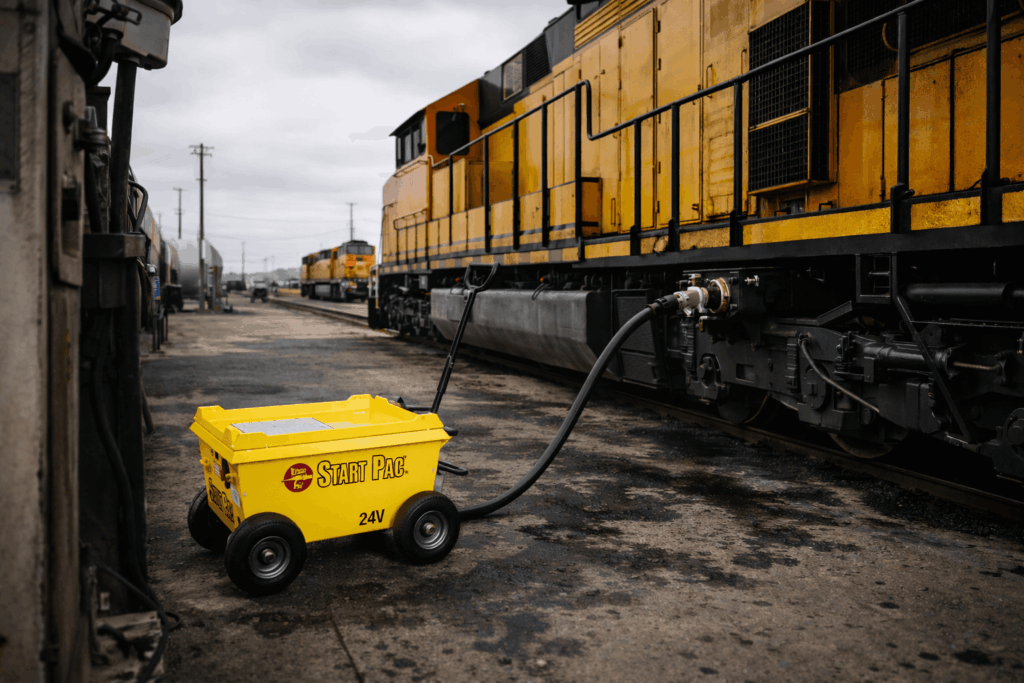
Diesel dominates freight railroading, and that enormous fuel bill, along with maintenance costs and environmental regulations, drives constant pressure to find better ways to power locomotives. Meanwhile, transit agencies and high-speed rail operators have largely moved to electricity, creating a split in how different parts of the rail industry approach the question of energy. What fuel do trains use today? Diesel remains the standard for freight and long-distance passenger service. Urban transit and high-speed rail draw electricity from overhead wires or third rails. A handful of alternative train fuels, including hydrogen, batteries, and biofuels, are starting to carve out niches where they make economic sense. Types of Fuel Used in Trains and Rail Systems Diesel locomotives carry everything they need to complete a journey, whereas electric trains depend on infrastructure built along the tracks. This fundamental difference in locomotive energy sources explains why certain systems dominate in certain places, and why train fuel choices vary so widely across the industry. The distinction between a locomotive vs train matters here: the locomotive provides power, while the train includes all the cars it pulls. Diesel remains king of freight railroads worldwide because a diesel locomotive can operate anywhere without requiring overhead wires or electrified rails. Electric systems need substantial upfront investment, but they cost less to operate over time and produce no direct emissions. High-traffic urban corridors often justify electrification costs, although rural freight lines almost never do. Geography plays a major role. The United States has electrified less than 1% of its rail network, while the European Union has electrified over 57%. The difference comes down to population density, freight volumes, and government investment priorities. Diesel Fuel and Diesel-Electric Trains Although called ‘diesel locomotives,’ these engines do not directly turn the wheels. Instead, a diesel engine drives a generator that produces electricity, which then flows to traction motors mounted on the axles. Understanding how a train engine works reveals why this diesel-electric arrangement became standard in the 1940s and 1950s: diesel engines operate efficiently only within a narrow speed range, but trains need massive torque at low speeds and sustained power at high speeds. A train leaving Los Angeles for Chicago does not need to check whether every mile of track has overhead wires. The locomotive carries its own power plant, starts quickly, runs for hundreds of miles between fuel stops, and requires less maintenance than the steam power it replaced. That self-contained flexibility is why diesel locomotive fuel dominates freight railroads and long-distance passenger services like Amtrak. Electric Trains and Grid Power Overhead wires supply power to most mainline and high-speed corridors worldwide. A pantograph on the roof of the train maintains contact with the wire as the train moves, feeding electricity to the traction motors. Subways and some commuter lines take a different approach, drawing current from a third rail that runs alongside the track. Electric train power delivers a major efficiency advantage. Supplying electricity directly from an overhead powerline transfers around 95% of the energy to the wheels. Diesel engines, by contrast, turn only 30–35% of their fuel’s energy into useful work. The rest escapes as heat. The weight savings matter too. Without an onboard engine or fuel tank, electric trains are lighter and produce no exhaust where they operate. These advantages have made electricity the dominant power source for urban transit and high-speed passenger rail. The New York City subway has run on third rail power for over a century. Amtrak electrified the Northeast Corridor decades ago. High-speed networks across Europe, Japan, and China operate almost entirely on electric power. Alternative Train Fuel Types Hydrogen trains run on fuel cells that combine hydrogen and oxygen to generate electricity, and the only thing coming out of the exhaust is water vapor. Several European operators now run hydrogen passenger trains on regional routes, demonstrating that the technology can match diesel’s range for many applications. Battery electric trains work differently. They draw power from overhead wires on electrified sections, then run on stored battery power once the wires end. Hybrids keep a diesel engine but add batteries that soak up energy when the train brakes. Biofuels require no new hardware at all since they burn in existing locomotives and cut lifecycle emissions by up to 74%. Regardless of train fuel type, locomotives that carry their own energy supply face the same basic question: how much can they hold, and how far can they go? How Much Fuel Does a Train Hold How much fuel does a train hold? It varies widely depending on the type of service the locomotive performs. Tank capacity directly shapes operational planning since it determines how far a train can travel before needing to stop. Typical fuel capacities by locomotive type: Line haul freight locomotives: 5,000 gallons on modern units Passenger locomotives: The EMD F40PH carries 1,500–1,800 gallons, while Amtrak’s P42DC Genesis locomotives hold 2,200 gallons Switcher locomotives: 600–1,100 gallons for yard service units Freight locomotives carry larger tanks than passenger units because they pull heavier loads over longer distances without scheduled station stops. Wabtec’s Tier 4 freight models hold over 5,000 gallons. Amtrak’s P42DC locomotives hold 2,200 gallons, enough for routes with planned refueling points but far less than a comparable freight unit. Railroads maintain fueling facilities at major classification yards, and freight trains stop at these strategic points along their routes. Amtrak schedules refueling into its long-distance timetables, with designated station stops where fuel is available. Comparing Train Fuel Types Diesel works everywhere. A locomotive can run on any track in North America without anyone checking whether the route has been electrified, and that flexibility keeps diesel dominant despite emissions concerns and volatile fuel prices. Each train fuel option comes with tradeoffs. Electric trains cost less to operate over time and produce no exhaust, but the tracks must be electrified first, an infrastructure investment most freight railroads cannot justify. Hydrogen offers diesel-like range without the emissions, though the fuel itself remains expensive to produce and distribute. Battery-powered trains fill the gap on shorter