

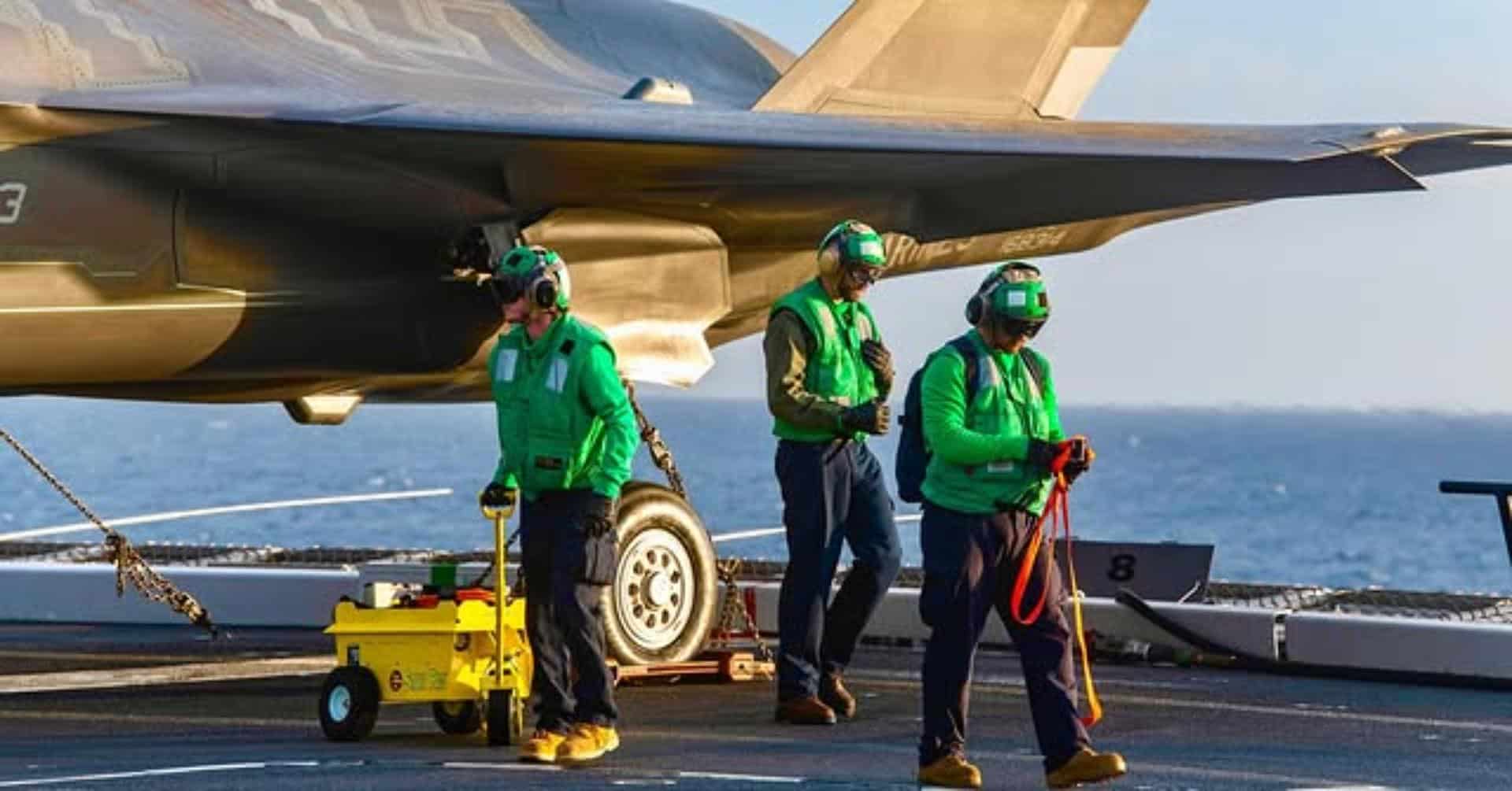
You don’t see it from your passenger seat, but deep within the aircraft, a quiet revolution is happening. It has nothing to do with sleeker wings or more powerful engines. It’s about intelligence—the artificial kind—and it’s being aimed at one of the most critical, and frankly, overlooked parts of modern flight – he humble aircraft battery. The use of AI in aviation is growing, moving beyond just simple route optimization. Now, it’s tasked with preventing failures before they can even begin.
The Expanding Role of AI in Aviation
It’s no longer a debate of whether AI will reshape aviation, but how fast and how deeply. Stakeholders throughout the AI in the aviation industry are leaning hard on intelligent systems to make sense of the absolute mountains of data that every single flight produces. It’s not just numbers. It’s a story. The AI pulls from real-time sensor readings, digs through historical performance logs, and even checks the weather patterns to build a picture of aircraft health that was pure science fiction just a decade ago.
Core Applications of AI in the Aviation Industry
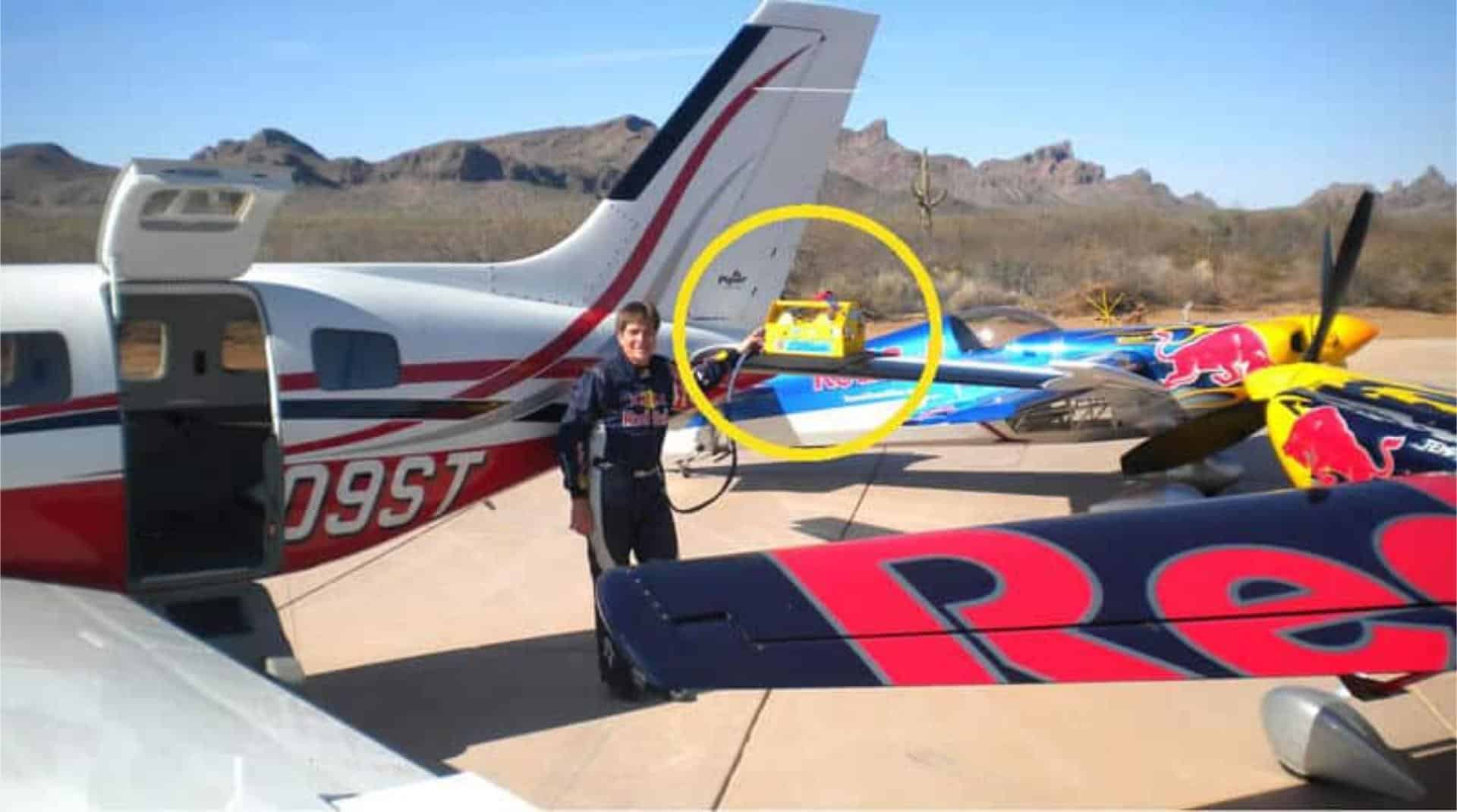
AI isn’t one single thing; it’s a whole toolkit getting applied across the board. Every application tackles a different, high-stakes problem that has cost the industry money and time for years.
- Predictive Maintenance and Battery Analytics: This is where the technology truly shines. Instead of swapping parts on a rigid, often wasteful schedule, systems now predict the real-world useful life of a component. For batteries, this means spotting the subtle voltage drops or temperature spikes that scream “trouble ahead.” This proactive approach has become the price of entry for the modern AI in the aviation industry. It’s about knowing, not guessing.
- Operational Efficiency: Flight planning, crew scheduling, logistics. All of it is being optimized. An AI can juggle millions of variables to map out a flight path that saves thousands of pounds of fuel. It can shuffle crew rosters to minimize disruptions from a single delay, and it ensures the right part is in the right hangar at the right time. The machine just does the math better.
- Enhanced Safety and Risk Reduction: By chewing through vast datasets from incident reports and live flight data, AI systems are spotting hidden risks that a human would never catch. A specific flight path combined with a certain weather pattern and a particular aircraft model might show a tiny statistical risk. This high-level view enhances overall aviation safety by giving operators a crucial heads-up on dangers that are, for now, just whispers in the data.
- Passenger Experience Improvements: You feel this without knowing why. AI works behind the scenes to slash delays by getting ahead of maintenance issues. It helps airlines personalize travel offers and streamlines the chaos of airport operations. It all adds up to a smoother journey, from the moment you check in to the moment you step off the plane.
Why Battery Health Monitoring Is a Priority
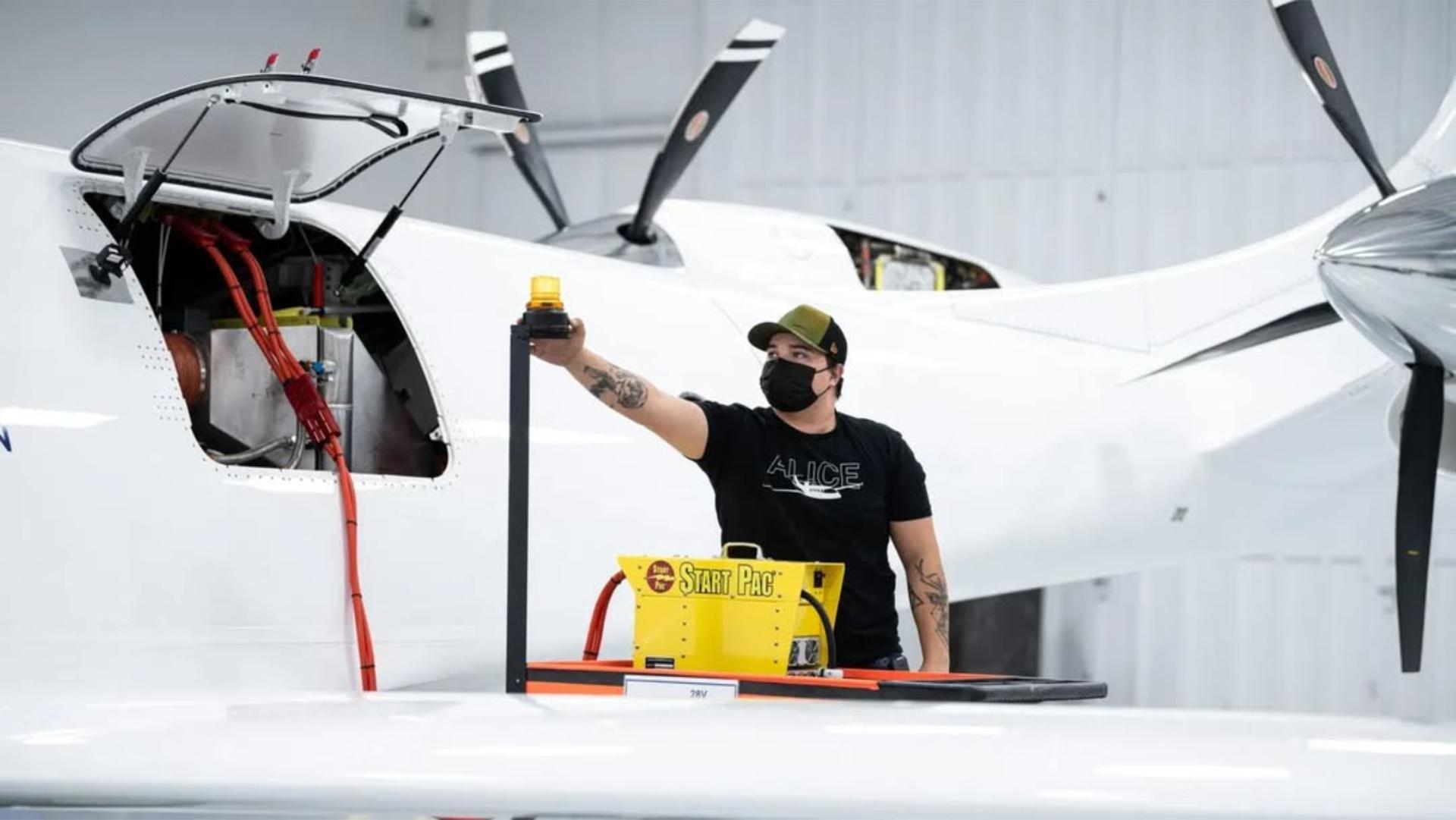
An aircraft battery isn’t like the one in your car or your phone. Its failure isn’t an inconvenience. It’s a critical, show-stopping event. The stakes are incredibly high, and the industry is finally giving it the attention it deserves.
The safety risks are what drive the conversation. A failing battery can spark an onboard fire. It can knock out essential cockpit displays or communication systems. In a worst-case scenario, it forces an emergency landing. But now, there’s a new urgency pushing this forward. The industry-wide shift toward electric and hybrid-electric aircraft means the entire propulsion system—not just the backup power—will hang on battery integrity. Suddenly, monitoring the battery isn’t just another maintenance task. It’s the very core of flight safety itself, and a prime focus for AI in aviation maintenance.
How Real-Time Battery Health Monitoring Works with AI
Think of it as a constant, intelligent health screening powered by real-time monitoring. It’s a closed loop, a seamless cycle of data collection, deep analysis, and decisive action. It’s simple in concept but revolutionary in practice.
- Sensors, Telemetry, and Smart Data Collection: Today’s batteries are packed with smart sensors. These things monitor everything that matters: internal temperature, voltage output, current draw, charging speeds, and total discharge cycles. This nonstop river of data, called telemetry, is the raw material the AI has to work with.
- AI-Powered Anomaly Detection and Predictive Modeling: This part is the brain of the whole operation. The AI ingests all that data and first figures out what “normal” looks like for that specific battery on that specific aircraft. Once it has that baseline, it hunts for the tiny deviations—the anomalies—that signal a problem is brewing. This is where machine learning in aviation gets really powerful, because the models get smarter and more accurate with every single flight hour they analyze.
- Integration into Aviation Maintenance Systems: These insights don’t just flash on a screen in some back office. They feed directly into the airline’s core maintenance software. The system generates an automatic work order, flagging a specific battery for a detailed inspection or outright replacement during its next scheduled stop. This simple step transforms routine aircraft maintenance from a blind guessing game into a precise, data-driven surgical procedure.
Benefits of AI-Driven Battery Analytics

When you point this level of intelligence at something like battery monitoring, the benefits ripple out across the entire airline operation. The application of aircraft battery analytics is about much more than just catching a few failures early. It’s about building a fundamentally more reliable and brutally efficient system from the ground up.
Enhanced Aircraft Safety
Fewer surprises at 30,000 feet. That’s the real promise here. By identifying a weakening battery cell weeks or even months before it could fail, AI directly prevents potential in-flight emergencies. This fiercely proactive stance on safety is a massive leap forward for aircraft reliability. It gives pilots, crew, and passengers a level of confidence that was never possible with old-school maintenance schedules.
Maintenance Efficiency and Cost Reduction
Unscheduled maintenance is one of the biggest and most unpredictable financial drains on any airline. When a plane is grounded unexpectedly, the costs explode. You have flight cancellations, furious passengers needing rebooking, and huge overtime bills for technicians. The smarter AI in aviation maintenance becomes, the more these problems shrink. Predictive analytics helps kill this chaos, turning unplanned events into scheduled, efficient tasks, which in turn slashes the overall airplane maintenance cost. It stops the bleeding.
Extended Battery Lifespan and Optimal Usage Cycles
Great AI doesn’t just predict failure; it actively optimizes performance. By understanding exactly how different operational factors—like charging speeds or the use of on-ground power—affect battery health, the system can recommend smarter usage strategies. These strategies can significantly extend the component’s useful life. This means getting the absolute maximum value out of every asset without ever cutting a single corner on safety. It even changes how batteries are handled on the ground by equipment like ground power units for aircraft.
Technical and Operational Challenges
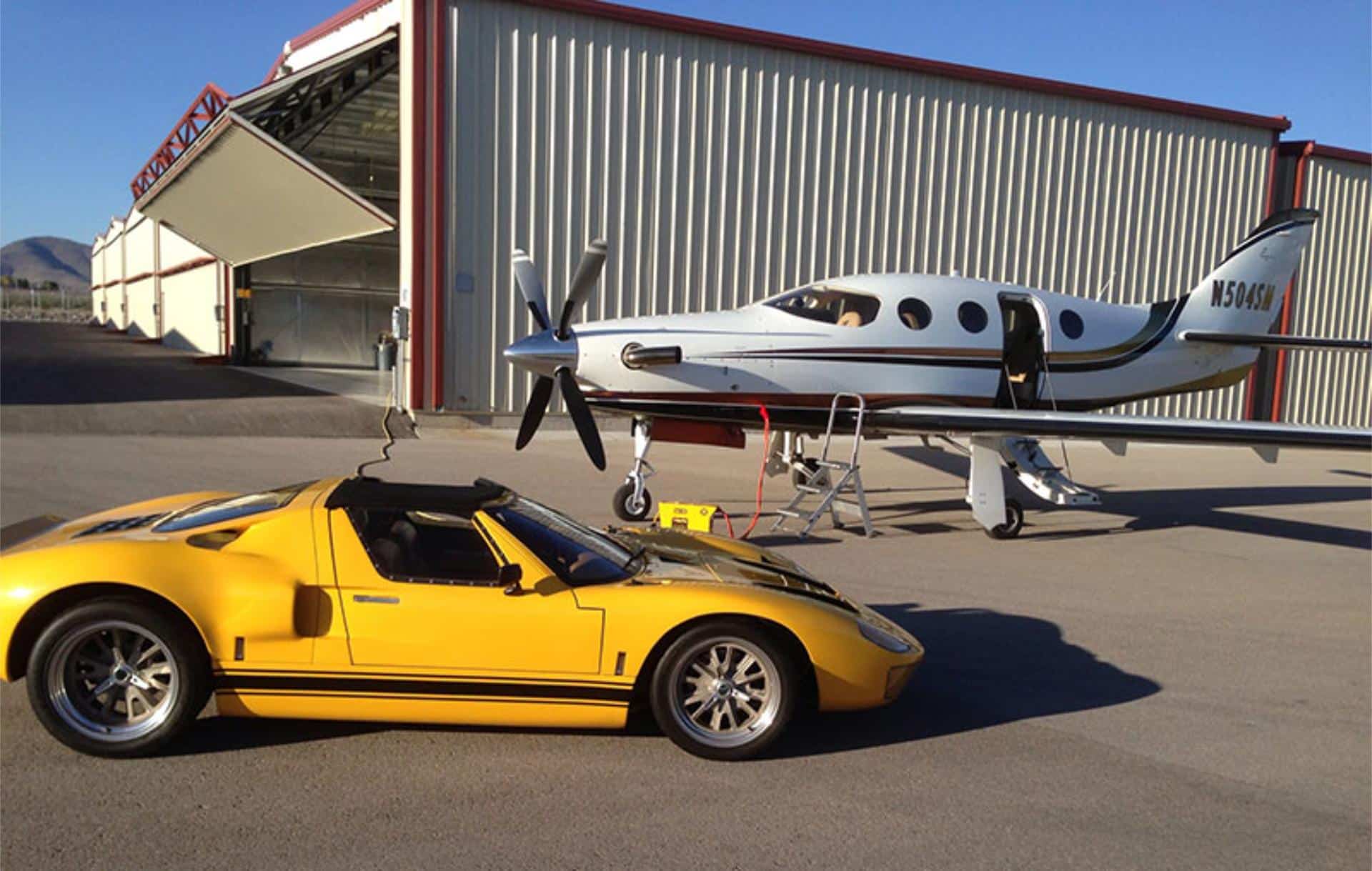
But this isn’t a simple plug-and-play fix. Dropping AI into the middle of a legacy industry comes with its own set of serious, thorny hurdles. This is the hard reality of implementing AI in aviation. The industry isn’t ignoring them; it’s actively trying to solve them.
Data Security and Cybersecurity Risks
Any system that collects and transmits critical operational data immediately becomes a high-value target for cyberattacks. Protecting the data stream from the battery sensors all the way to the analytics platform is non-negotiable. A breach is a nightmare scenario. A hacker could either mask the signs of a real, developing problem or, maybe worse, create a false warning that grounds a perfectly healthy fleet.
Integration with Legacy Aircraft Systems
The global fleet is a patchwork quilt of old and new. There are thousands of aircraft still flying that were designed decades before AI was a practical tool. Getting these legacy systems to “talk” to modern AI platforms is a huge challenge. It requires complex, expensive, and time-consuming retrofitting. For many airlines, this cost is a significant barrier to getting started.
Human Oversight and the Need for Skilled Technicians
AI is a powerful tool, but it isn’t infallible. And it can’t turn a wrench. You still need sharp, skilled technicians on the ground who can interpret the AI’s recommendations, perform the physical maintenance, and—most importantly—spot issues the machine might have missed. This is creating a need for a new breed of professional: part old-school mechanic, part modern data analyst.
The Future of AI in Aviation
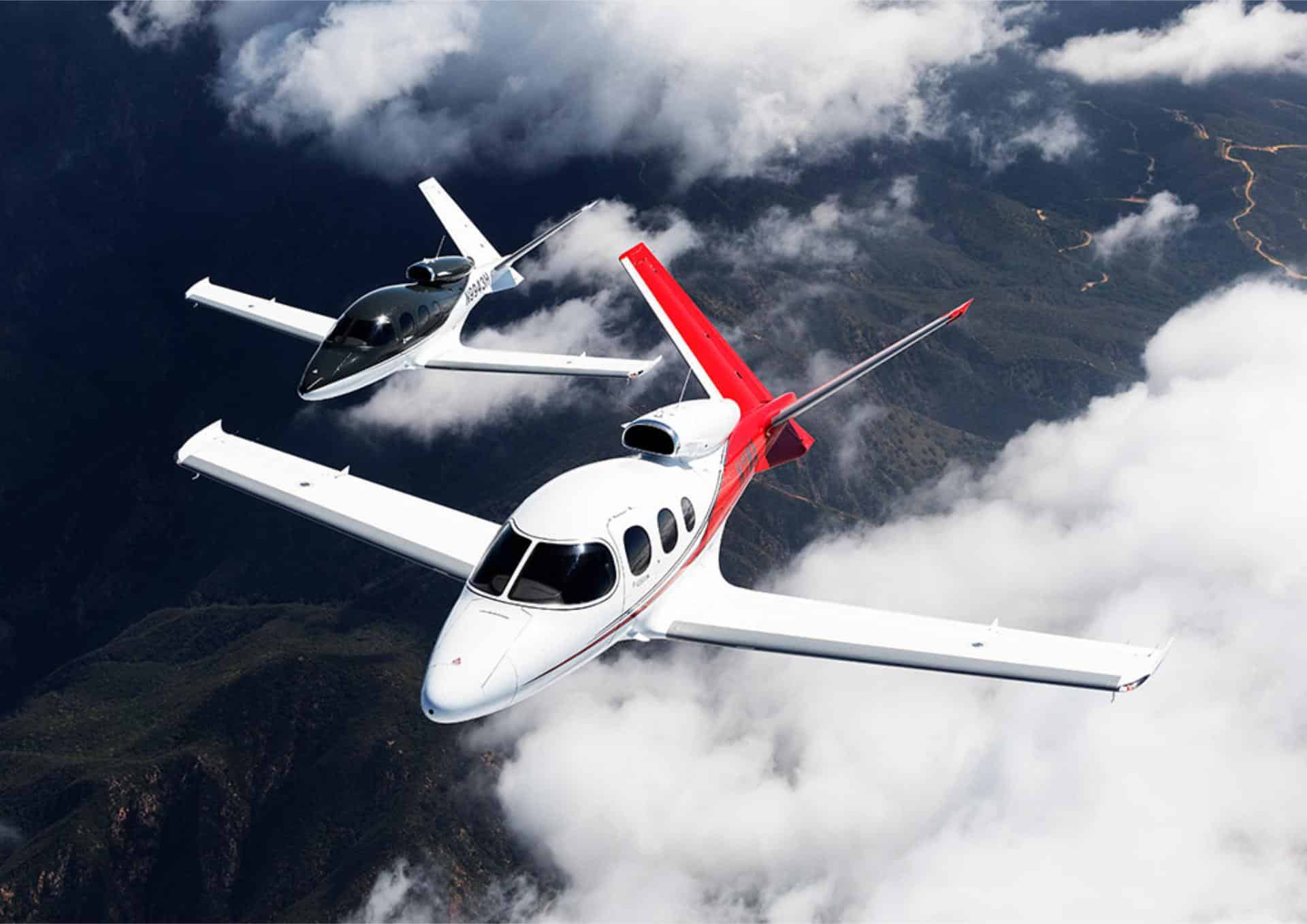
The work being done right now is just the foundation. The future of AI in aviation will see the technology become even more deeply woven into the fabric of the cockpit and the hangar, changing the very nature of how humans and machines work together.
Human-AI Collaboration and Decision Support Systems
The goal isn’t to replace the pilot or the technician. It’s to empower them. Future systems will act as expert co-pilots or master diagnosticians, providing real-time analysis and clear recommendations that help humans make better, faster decisions, especially when the pressure is on.
Regulatory Considerations (EASA, FAA, and Safety Protocols)
You can’t just install a new app on a plane. Regulatory bodies like the EASA and the FAA are methodically working to build new frameworks for certifying AI systems. Proving that an AI is not just effective but also safe, reliable, and transparent is a massive undertaking for the entire industry.
Emerging Technologies: Explainable AI, Ethics, and ML Models
A “black box” AI that just spits out an answer without showing its work is a non-starter in aviation. You have to know why. The whole field is pushing hard toward “Explainable AI” (XAI)—systems that can justify their conclusions in terms a human expert can understand and verify. This is absolutely crucial for building trust and ensuring accountability.
Sustainability and the Shift to Electric Aviation
As aviation pivots toward a greener, more sustainable future, battery health will become completely synonymous with flight health. The future of AI in aviation is directly tied to this green transition. These intelligent systems will be non-negotiable for managing the incredibly complex power demands of the next generation of electric and hybrid aircraft.
AI in aviation sits right at the intersection of hard data science and even harder mechanical reality. It’s taking one of the most fundamental parts of an aircraft and wrapping it in a thick layer of predictive intelligence. This isn’t a dream about the future. It’s happening right now, and it’s making flights safer, more reliable, and more efficient. The challenges are real and they are significant. But the momentum is undeniable. This technology isn’t just changing how we monitor a battery; it’s redefining the very meaning of aircraft reliability for a whole new era of flight.
References:
- European Union Aviation Safety Agency. (2025). Artificial Intelligence and Aviation. EASA Light. https://www.easa.europa.eu/en/light/topics/artificial-intelligence-and-aviation-0
- Inflight Pilot Training. (2025, February 19). Will AI Take Over the Skies? The Future of Pilots in Aviation. https://inflightpilottraining.com/ai-and-future-pilots/
- National Business Aviation Association. (2024, May/June). Inflight Lithium Ion Battery Fires: What Operators Need to Know. Business Aviation Insider. https://nbaa.org/news/business-aviation-insider/2024-05/inflight-lithium-ion-battery-fires-what-operators-need-to-know/
- Reed, J. (2023, June 5). Modernizing Legacy IT Systems in the Aviation Industry. Aviation Today. https://www.aviationtoday.com/2023/06/05/modernizing-legacy-it-systems-in-the-aviation-industry/
- Symphony Solutions. (2025). The Rise of Artificial Intelligence in Aviation: Transforming the Skies. https://symphony-solutions.com/insights/ai-in-aviation
- Vaughn College. (2023). How Artificial Intelligence is Transforming the Aviation Industry. https://www.vaughn.edu/blog/how-artificial-intelligence-is-transforming-the-aviation-industry/