


You see them on the tarmac, a constant swarm of vehicles keeping the whole operation moving. But here’s something you might not think about: that ground fleet has a massive operational footprint. As the aviation world pivots hard toward a greener future, what happens on the ground is no longer an afterthought. For any airport manager with an eye on tomorrow, hitting environmental targets is now a critical benchmark, and the gold standard for that is the airport carbon accreditation. The path to getting certified runs directly through your ground support equipment, and making it smarter is the only way forward.
Understanding Airport Carbon Accreditation (ACA) Standards
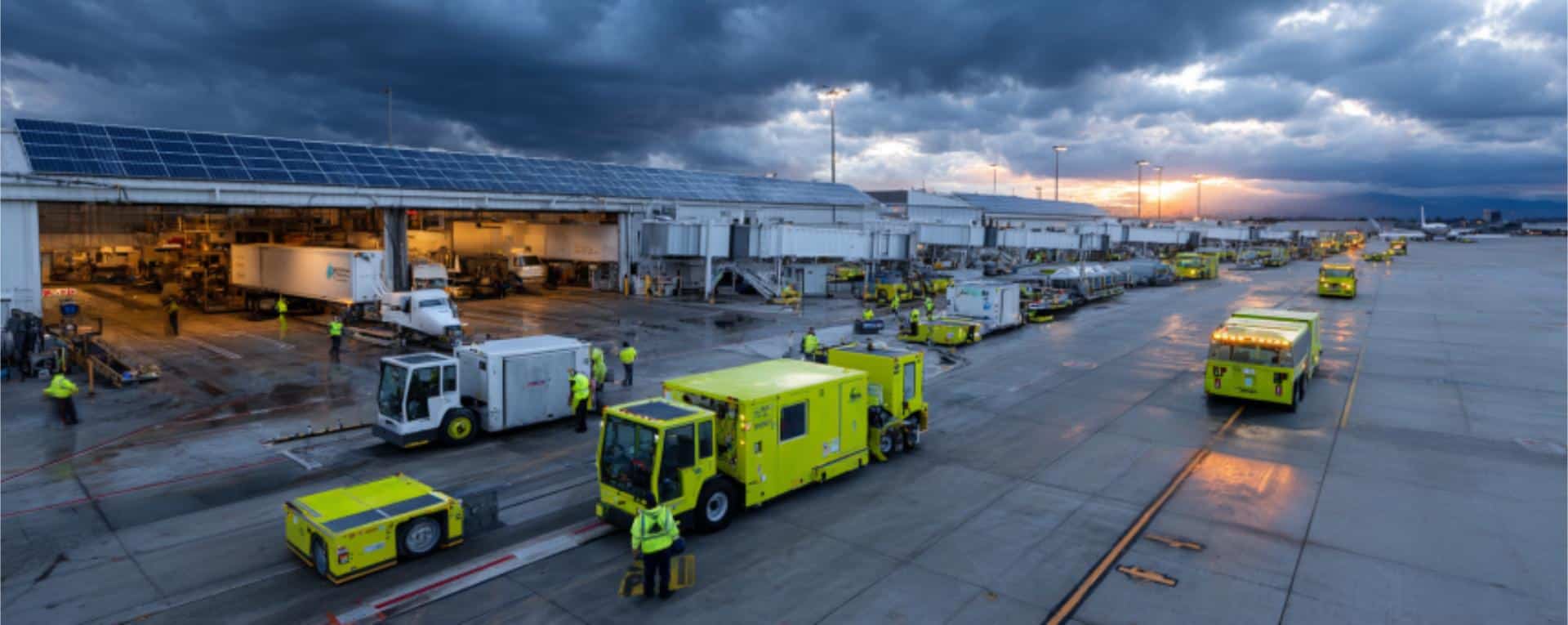
Before you can hit a target, you need to understand it. The Airport Carbon Accreditation framework isn’t just some self-congratulatory checklist. This is a comprehensive, multi-tiered program designed to guide and recognize airports in their journey to reduce their carbon footprint. It provides a clear roadmap for managing emissions and achieving real, measurable results. These standards matter because they represent a unified, global effort to address the aviation industry’s impact on climate change.
What Is Airport Carbon Accreditation?
So, what is it, really? Think of airport carbon accreditation as a global certification program built only for airports. It establishes a unified framework for measuring, managing, and ultimately reducing carbon dioxide emissions. This isn’t based on the honor system, either; the program is independently verified by a third party, giving the standards real teeth. It’s the only institutionally endorsed program of its kind, making it the non-negotiable standard for any international airport that wants to be taken seriously on its environmental responsibilities.
Airport Carbon Accreditation Levels
Getting to green is a journey, and the ACA gets that; it isn’t a single hurdle but a ladder with distinct rungs. The airport carbon accreditation levels map out a clear path, starting with Level 1, Mapping, which is the basic homework of figuring out your carbon footprint. From there, Level 2, Reduction, demands a concrete carbon management plan and proof that you’re actually making cuts. Level 3, Optimization, forces you to look beyond your own fence line and rope in airlines and handlers to tackle their emissions, too. For those ready to go further, Level 3+, Neutrality, requires offsetting remaining direct emissions to balance the books on what you can immediately control. Finally, the top airport carbon accreditation levels, Transformation and Transition, demand alignment with global climate goals and a real push to get to net zero across the board.
Key Emission Sources in Airport Operations
To cut emissions, you have to know where they’re hiding. At a busy airport, the culprits are everywhere. Aircraft engines are the obvious one, of course. Heating and cooling massive terminals takes a huge amount of energy. But one of the biggest and most controllable sources of pollution is right there on the tarmac. Your fleet of ground support equipment—baggage tugs, cargo loaders, and mobile power units—is constantly running, and traditionally, that means burning diesel.
The Role of Sustainable GSE in Meeting ACA Standards
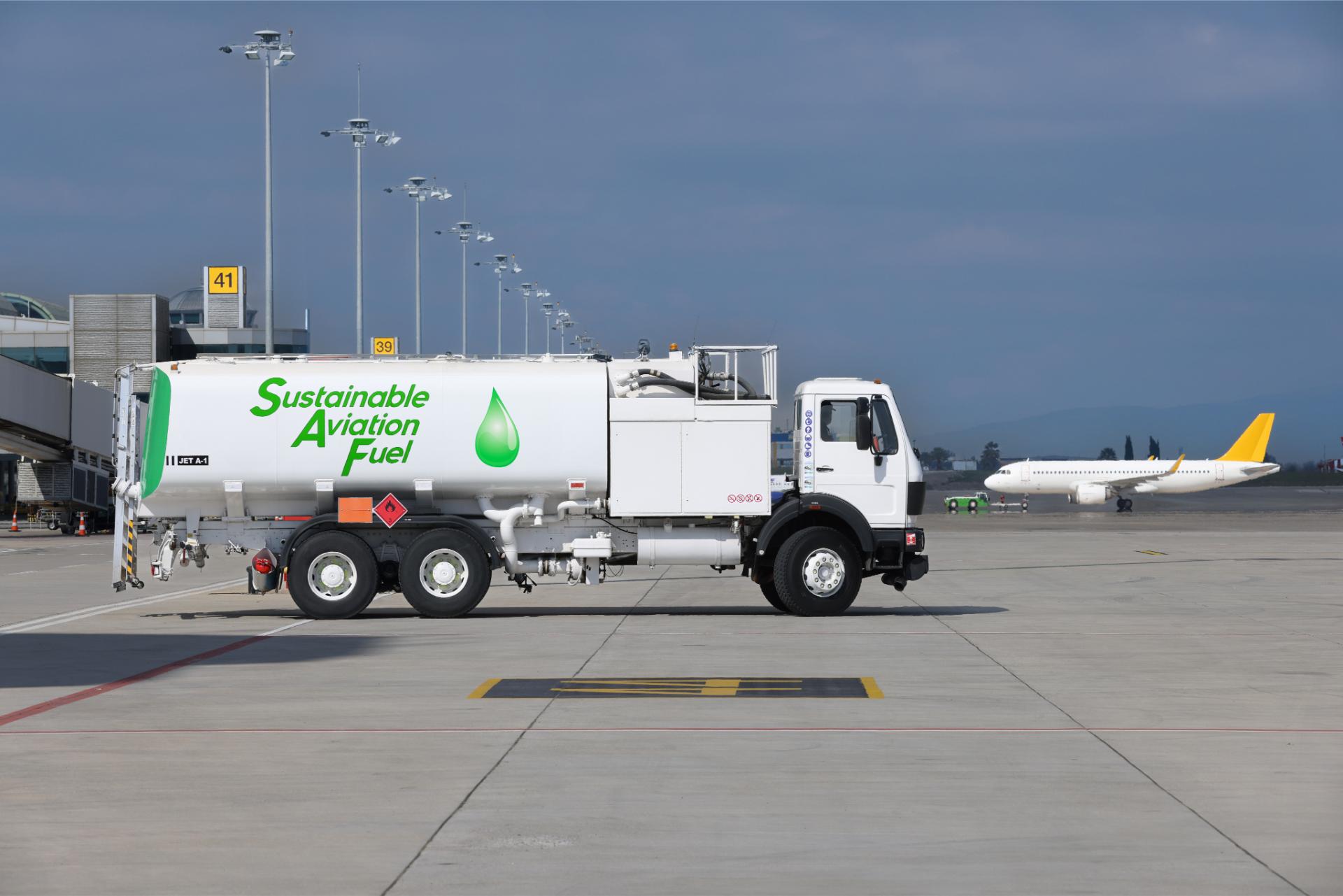
If you’re serious about climbing the airport carbon accreditation levels, your GSE fleet is the place to start. This is low-hanging fruit, and tackling it provides the most direct and visible impact on your environmental goals. Upgrading your ground fleet isn’t just a line item on a sustainability report; it’s a core strategy that pays dividends across the board. The technology to get this done isn’t some far-off dream; it’s already on the ground and proving its worth at forward-thinking airports globally. This is where the paper commitments of the C-suite meet the pavement of the tarmac.
Electrification of Ground Support Equipment
The single biggest move you can make is going electric. When you swap out diesel-burning equipment for electric models, you kill multiple birds with one stone. You immediately slash ground-level emissions, which drastically improves air quality for your ground crews. You also cut the constant noise pollution that blankets the tarmac. Electric ground power units, for example, let parked aircraft shut down their noisy, fuel-guzzling APUs, which is a massive win for both the environment and the budget.
Hydrogen and Alternative Fuels for GSE
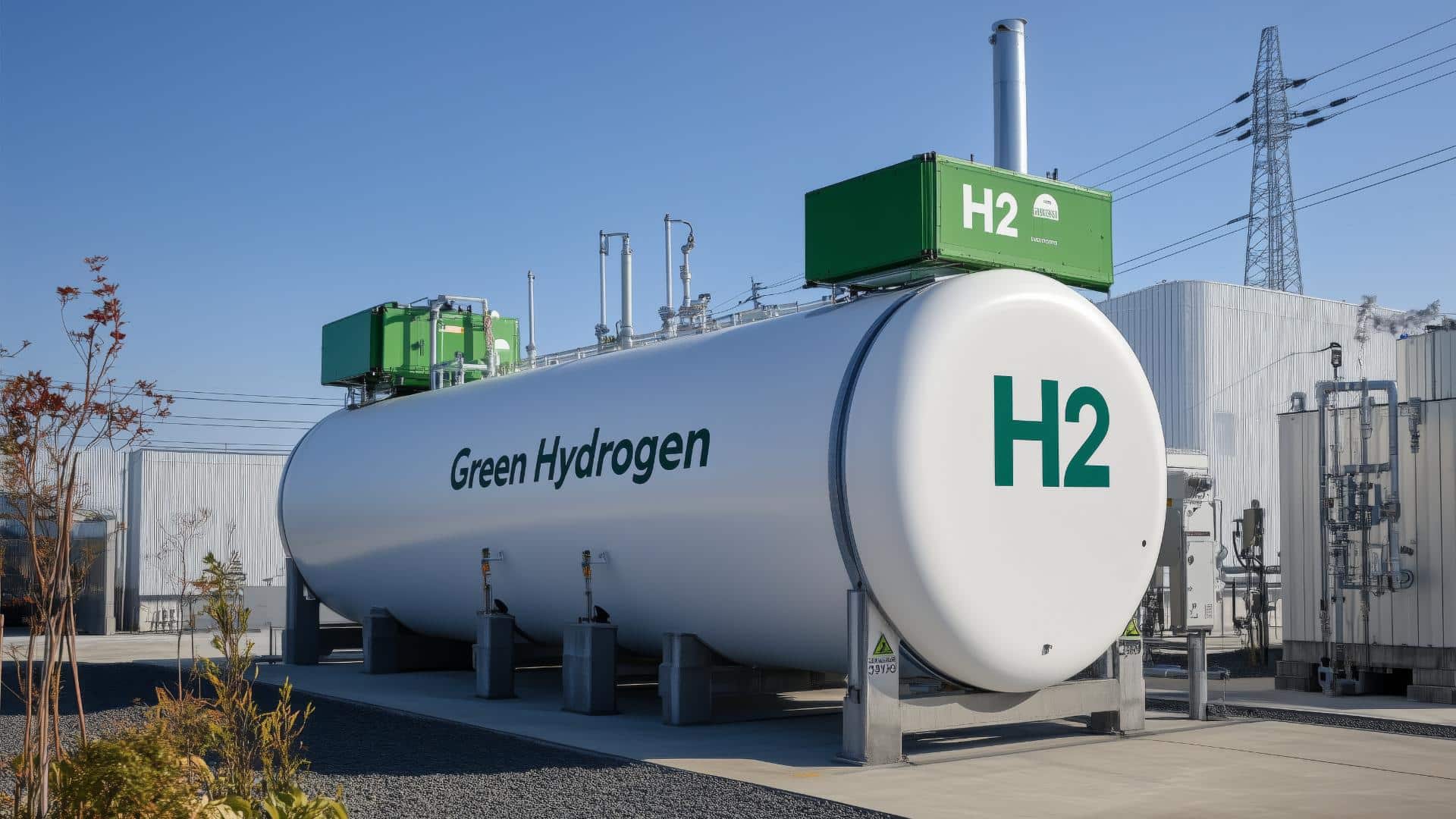
Electrification is the main event, but it’s not the only show in town. Hydrogen fuel cell technology is quickly moving from the lab to the real world, and for GSE, it’s a game-changer. It offers completely zero-emission operations with only water as a byproduct. These vehicles often boast faster refueling times and longer operational ranges than their battery-electric counterparts. For the busiest hub airports that run 24/7, hydrogen could be the key to maintaining operational tempo without compromise, while other biofuels serve as a useful bridge to lower their carbon footprint.
Smart Energy Management for GSE
It’s not just about what powers your equipment, but how you use it. Smart energy management is critical. Using telematics and data analytics allows you to see exactly how your fleet is operating. You can finally kill excessive idling times, optimize routes across the tarmac, and schedule charging to take advantage of off-peak electricity rates. Wringing the inefficiency out of your current operations is just as important as investing in new hardware, and it delivers immediate savings.
Strategies for Implementing Sustainable GSE Operations

Making the switch to a sustainable GSE fleet won’t happen by accident. It demands a clear, actionable strategy that combines smart financial planning with a real commitment to new technology. A well-executed plan ensures that the transition is not only environmentally effective but also operationally and financially sound for the long term. This isn’t just about buying new toys; it’s about fundamentally changing how you operate. These strategies are foundational to any successful airport modernization effort.
Fleet Modernization and Sustainable Procurement
It all starts with a formal policy. Your procurement process has to be updated to prioritize low- or zero-emission models when it’s time to replace aging gear. The smart move is to inventory your entire fleet, identify the worst offenders—the oldest, dirtiest, and most expensive-to-maintain vehicles—and target them first. Phasing in new equipment over several budget cycles makes the investment manageable. This approach allows an airport to steadily improve its environmental performance year after year.
Data-Driven Carbon Tracking and Optimization
You simply cannot manage what you are not measuring. To satisfy the auditors for the airport carbon accreditation program, you need hard data. That means implementing robust tracking systems to monitor everything from fuel and energy consumption to vehicle idling times and maintenance schedules. This information is pure gold. It allows you to pinpoint waste, prove your emissions reductions, and build a powerful business case for further investment in green technology.
Collaboration with Airlines and Regulatory Bodies
An airport doesn’t exist in a vacuum. To reach the higher tiers of accreditation, you have to get your partners on board. That means sitting down with airlines and ground handling companies to create shared goals for reducing the entire campus’s carbon footprint. It’s about working together on GSE investment and usage protocols. Partnering with regulatory bodies can also unlock access to grants for green equipment, while cleaner air on the tarmac can contribute to better working conditions and potentially lower operational costs in areas like health insurance.
Benefits of Sustainable GSE for Airport Carbon Accreditation
Let’s be clear: investing in sustainable GSE is not just an environmental expense. It is a shrewd business decision with wide-ranging benefits that create a virtuous cycle of improvement. The advantages are financial, operational, and reputational, and they all contribute directly to a healthier, more resilient airport. These are the justifications you bring to the board room when it’s time to sign the checks. This is how you win.
Reduced Carbon Footprint and Compliance with ACA
This is the most obvious win. A modern, sustainable GSE fleet makes a direct and significant dent in your Scope 1 and 2 emissions. It’s the single most effective way to demonstrate progress and achieve compliance within the airport carbon accreditation framework. This isn’t greenwashing; it’s a tangible achievement that regulators, investors, and the public can see and verify. You aren’t just talking about change; you’re actively making it happen on the ground.
Cost Savings and Operational Efficiency
A green fleet saves you green. Electric vehicles have dramatically lower maintenance and fueling costs compared to their diesel-guzzling ancestors. With fewer moving parts and no oil changes, they spend more time working and less time in the shop. The benefits of ground power unit efficiency are especially clear, as they reduce the reliance on costly jet fuel for parked aircraft. This operational efficiency translates directly to a healthier bottom line.
Enhanced Reputation and Competitive Advantage
In today’s market, reputation is everything. Being able to say you are certified under the airport carbon accreditation program is a powerful marketing tool. It tells passengers and corporate clients that you are a modern, forward-thinking operator. This green credential can become a key differentiator, attracting top-tier airlines. It also improves community relations and gives you a powerful competitive advantage in a crowded marketplace.
The Future of Sustainable GSE and Airport Sustainability

The push for sustainability in the aviation industry is only accelerating. The goal of achieving net zero operations is no longer a fringe idea but a central objective for airports worldwide looking to combat climate change. Sustainable ground support equipment is a cornerstone of this movement. We are heading toward a future where entire GSE fleets are autonomous, fully electric, and integrated into a smart energy grid that optimizes power usage across the entire airport. This transformation is fundamental for any airport wanting to lead the way in the next generation of aviation.
Driving Real Progress on the Tarmac
Meeting the rigorous standards of the airport carbon accreditation program is a complex but achievable goal. The journey begins on the ground, with the deliberate and strategic modernization of the equipment that powers daily operations. By embracing electrification, exploring alternative fuels, and leveraging smart technology, airports can drastically cut their emissions. This approach reduces costs and enhances reputation. It’s no longer about whether you can afford to do it; it’s about whether you can afford not to.