

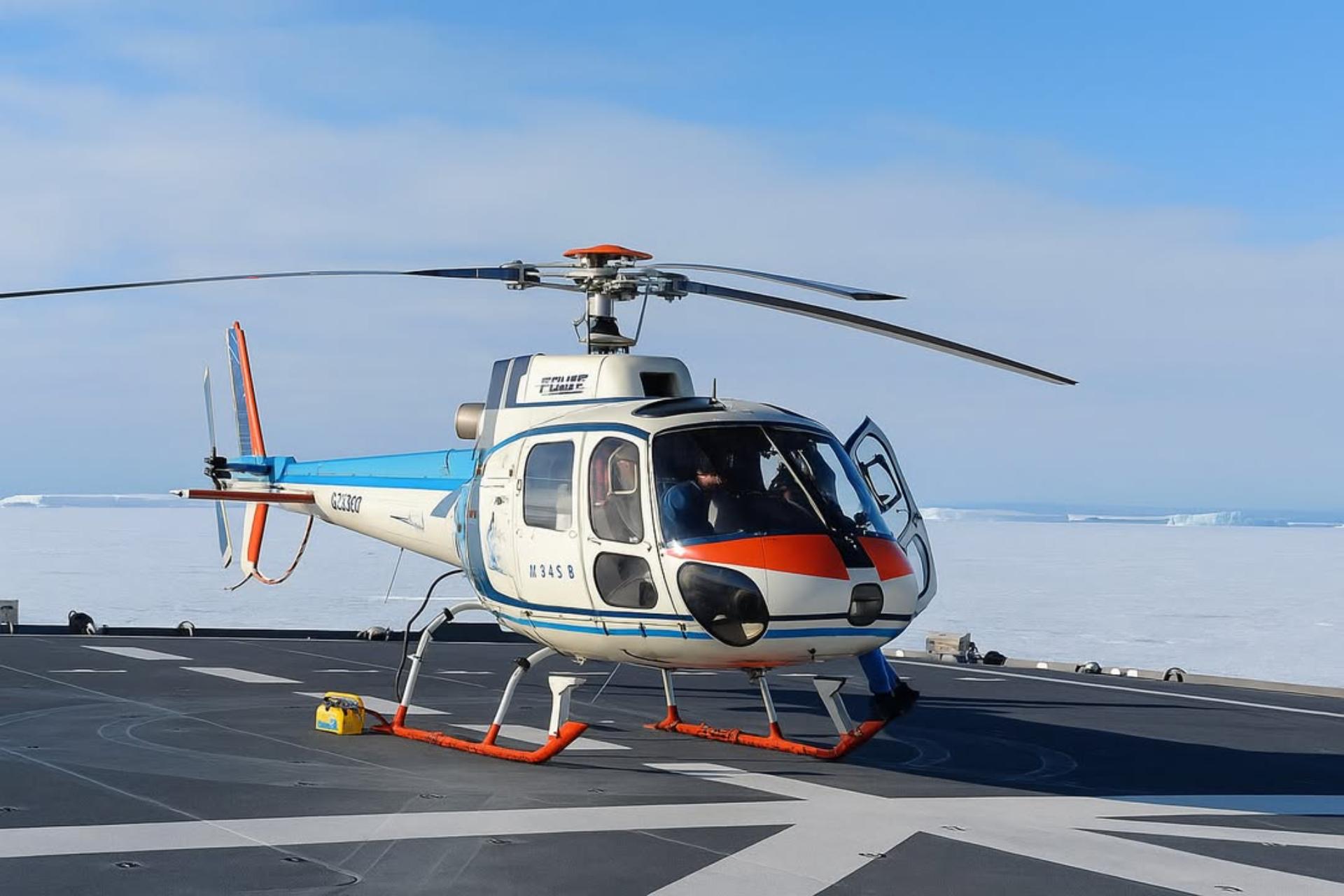
Helicopters exist for one primary reason: to go where runways can’t. They are tools built for tight spots and unreachable environments, delivering a level of pinpoint control that’s foreign to fixed-wing aviation: the ability to lift straight up, hang motionless, and pivot on a dime.
But this freedom comes from a machine of incredible complexity. Whether flying to a rig in the unforgiving North Sea or plucking a hiker from a mountain ledge, successful helicopter operations are never accidental. They are the direct result of a skilled pilot, a reliable machine, and the proven procedures governing every moment.
Key Elements of Helicopter Operations
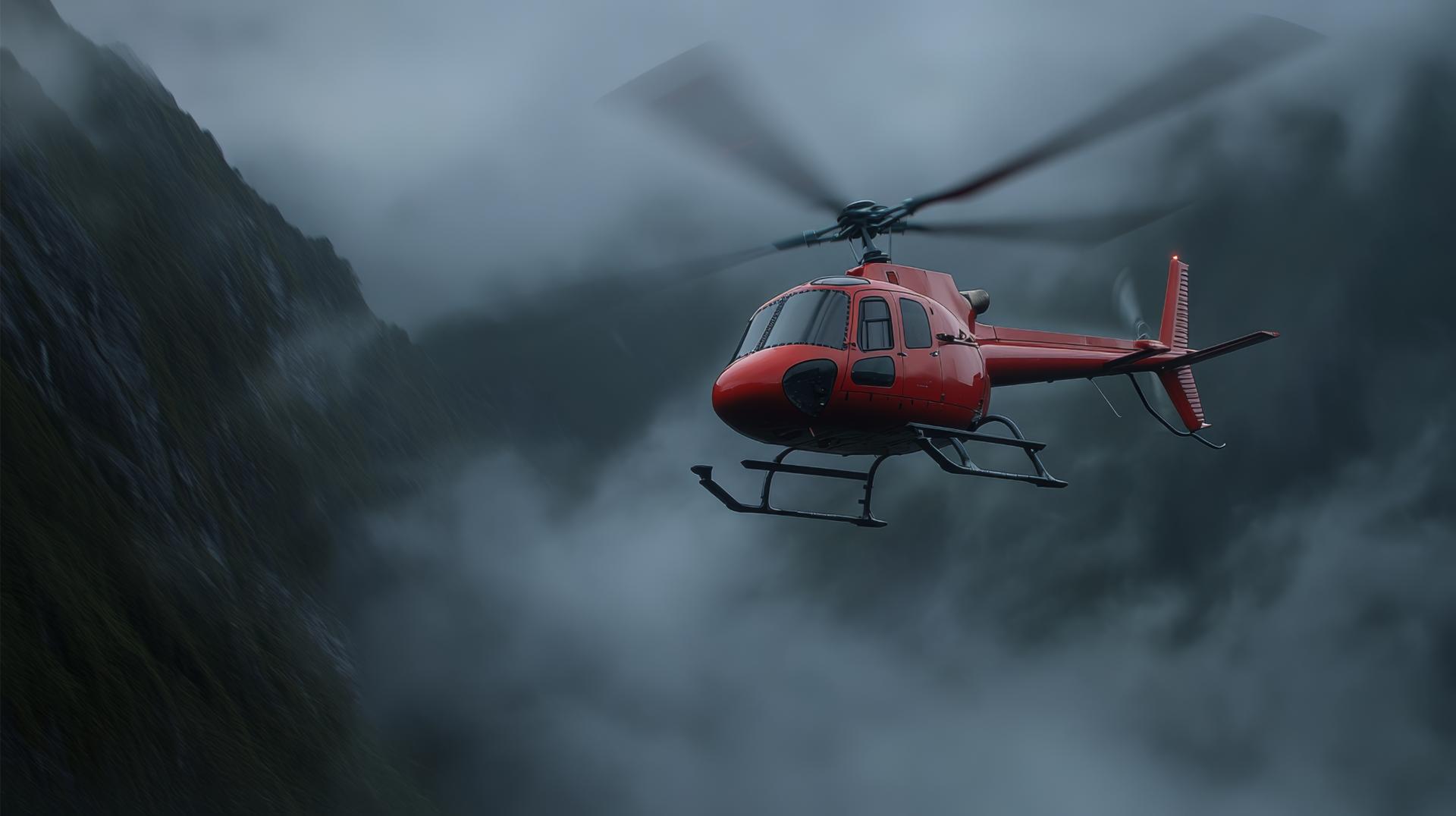
There’s no autopilot for the basics. The pilot stays busy, always in conversation with the main rotor system. Power comes from the engine, but how the blades slice the air, how much lift they wring out, how the machine responds, decides everything. Pilots learn fast that keeping a helicopter in the air is less about brute strength, more about reading the moment and making tiny corrections before things wander off course.
A pilot uses four main helicopter flight control systems in a constant, three-dimensional conversation with the machine:
- Cyclic: This is the control stick between the pilot’s knees, and it is the key to directional movement. Pushing it forward doesn’t point the helicopter down; it subtly adjusts the pitch of the rotor blades as they travel through their 360-degree arc, tilting the entire rotor disk assembly forward. An almost imperceptible forward tilt sends the aircraft surging ahead.
- Collective: Found to the left of the pilot’s seat, the collective lever is the master control for lift. When the pilot pulls up on it, it changes the pitch, or angle, of all the main rotor blades simultaneously. A bigger bite on the air means more lift.
- Anti-Torque Pedals: A helicopter’s screaming turbine engine creates immense torque that relentlessly tries to spin the fuselage in the opposite direction of the rotor: Newton’s third law in brutal action. With nothing to counter it, the aircraft would spin out of control. The tail rotor creates a precise lateral thrust to stop this. The foot pedals allow the pilot to vary this thrust, dictating precisely where the helicopter’s nose is pointing.
- Throttle: Usually a twist grip on the collective, the throttle is the master power control. On modern helicopters, computers handle much of the work, but its job is to manage engine RPM, keeping the rotor spinning at the optimal speed for every phase of flight.
These controls don’t work in isolation. The pilot’s hands and feet are in constant, fluid motion: a tiny nudge on the cyclic, a millimeter of pressure on the pedals, to hold a ten-ton machine perfectly motionless in a stiff crosswind. It’s an act of continuously mastering an inherently unstable machine.
Beyond the classic design, helicopters feature several other types of helicopter rotor configurations, each with a specific purpose. Tandem rotor helicopters, like the legendary CH-47 Chinook, use two massive, interlocking rotors. This design eliminates the need for a power-sapping tail rotor, dedicating all engine output to sheer, awesome lift. Coaxial rotors, found on aircraft like the Kamov Ka-52, stack two main rotors on the same mast spinning in opposite directions, creating an incredibly stable and agile machine.
Operational Planning and Risk Management

Safe and efficient helicopter operations are built on a bedrock of disciplined planning and a proactive grip on managing risk. A pilot never just hops in and goes. Before any flight, they conduct a scrupulous pre-flight inspection, a hands-on examination of the machine’s airworthiness. This isn’t a quick walkaround; it’s a detailed check of every critical component, from the rotor mast’s integrity down to the fluid levels in the gearboxes.
A cornerstone of operational planning is the load calculation. A helicopter’s performance changes wildly with altitude and temperature. Flying a medical rescue mission near a 10,000-foot peak on a hot day is a different world than flying at sea level. The air is thinner, less dense, giving the rotor blades less to bite into. Pilots must calculate the aircraft’s power limits for these “high density altitude” conditions. This calculation determines the maximum safe takeoff weight, and it’s a non-negotiable law of physics. Ignore it, and you may find you simply don’t have the power to climb out of a landing zone.
This ties directly into an ongoing risk management process. Every pilot and crew member is trained to identify and mitigate mission hazards, be it a surprise weather front, a network of unmarked wires in a rural landing zone, or the unpredictable stress of a medical emergency. Every individual involved holds the authority to turn down an assignment if they feel it’s unsafe, a core tenet that protects the entire team.
Safety Protocols and Procedures
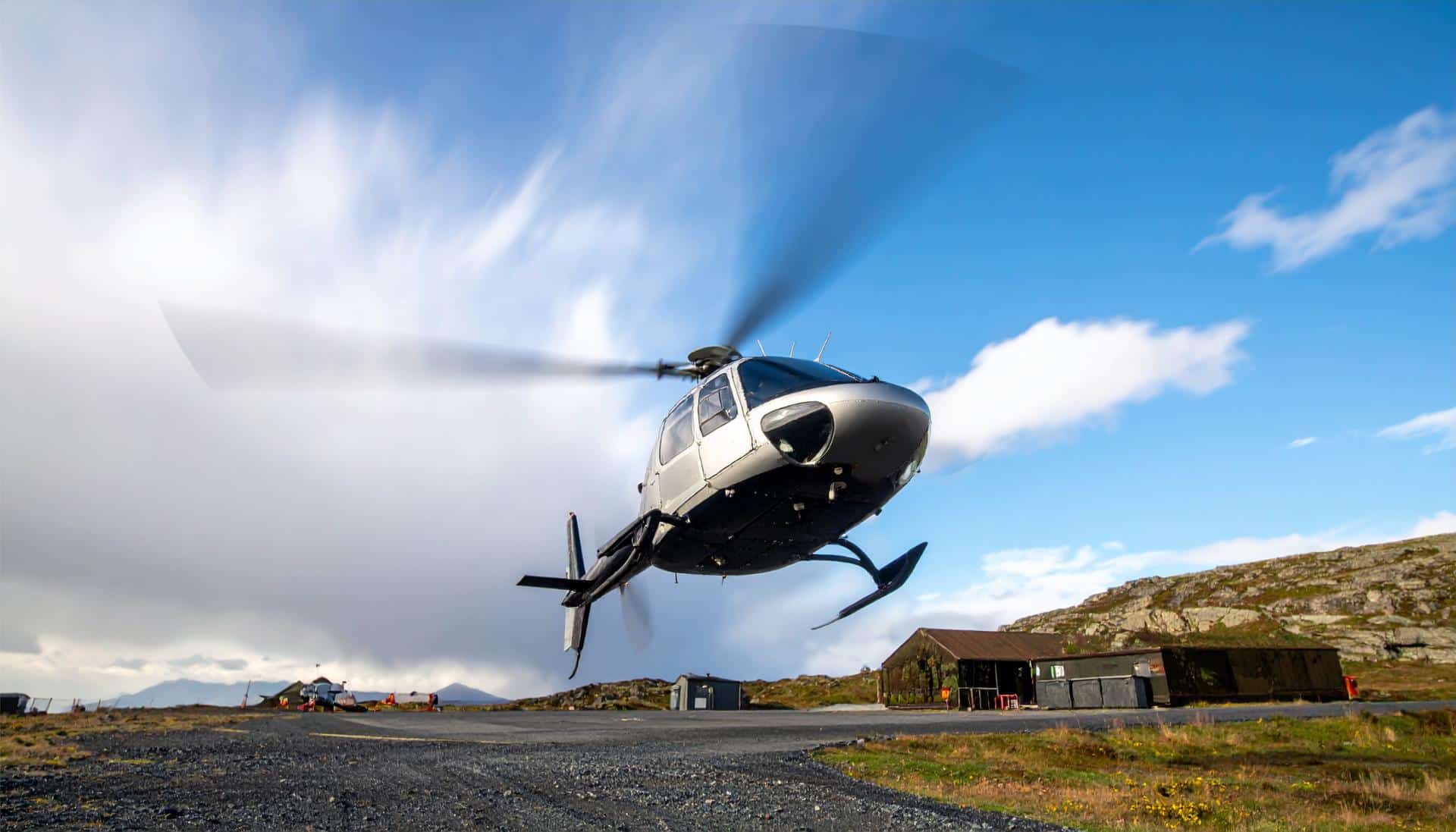
Helicopter safety is a culture of discipline, a set of habits that turns a high-risk environment into a controlled one. Comprehensive helicopter safety procedures are not optional; they are the framework for survival.
It starts on the ground. A methodical engine run-up allows the pilot to test every system on a detailed checklist before committing to flight. Refueling, especially “hot refueling” with rotors spinning, is acutely dangerous. It demands strict protocols for grounding the aircraft to prevent static discharge, clear communication, and a dedicated fire guard on standby.
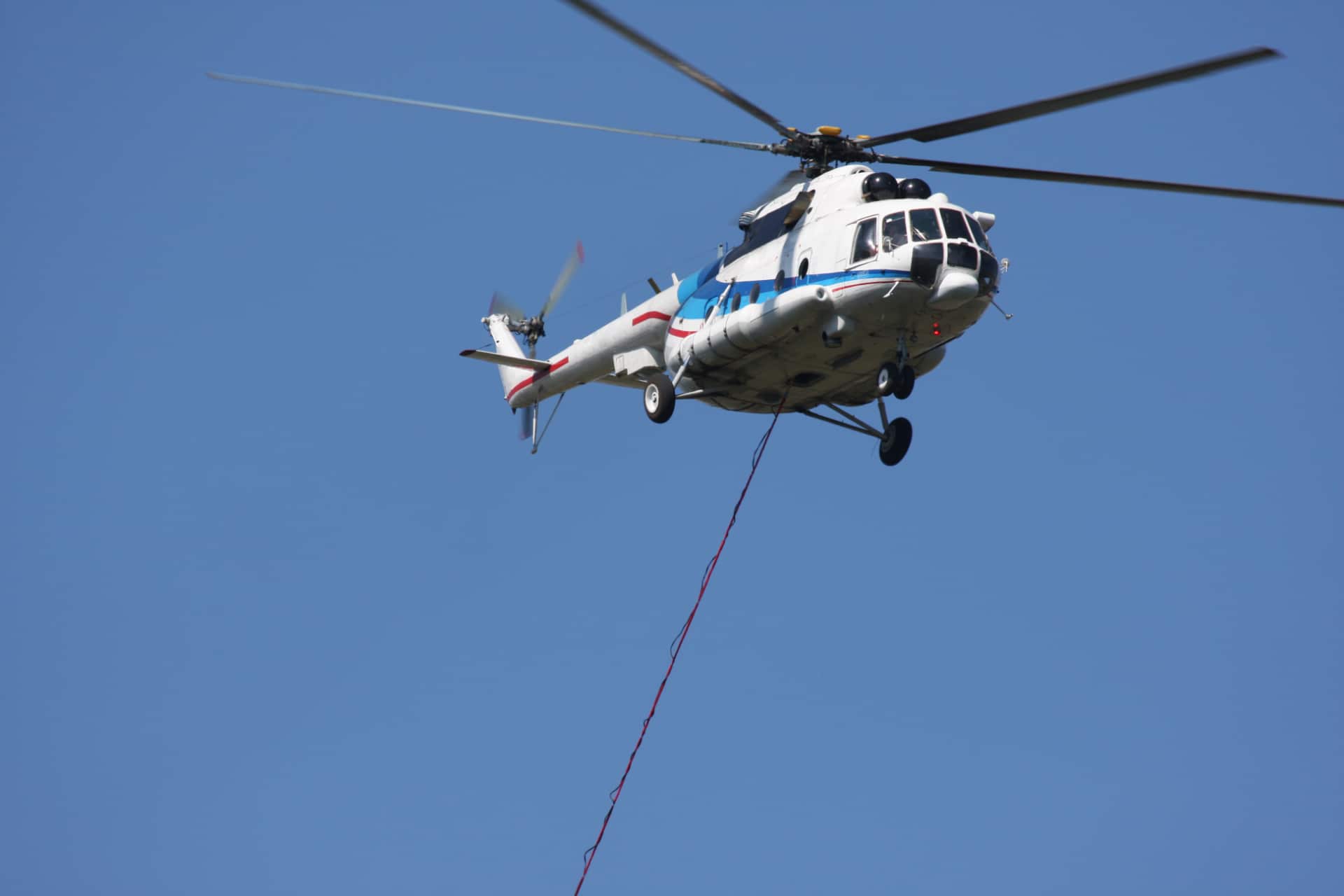
One of the most valuable capabilities of a helicopter is performing helicopter lifting operations with an external load. This requires a level of trust between pilot and ground crew that feels almost telepathic. Often unable to see the load directly, the pilot is flying based entirely on the standardized hand signals from the ground crew. This trust is backed by an intense focus on the gear. Safety protocols aren’t just a list; they are a physical inspection of every piece of the external-load system: checking the hook for micro-fractures, ensuring the cargo nets are properly rated, and confirming the rigging is perfect.
The landing zone itself presents its own universe of risk. A sudden crosswind, an unseen obstacle, or loose debris kicked up by the rotor wash can turn a routine approach into a fight for survival. Personnel on the ground approach or depart the aircraft only when they receive a clear signal from the pilot, always staying within their line of sight and well clear of the nearly invisible tail rotor.
Pilot Training and Flight Techniques
Flying a helicopter requires a completely different skill set than piloting a fixed-wing aircraft. The pilot is an active part of the flight stability system, making hundreds of tiny, continuous corrections just to keep the machine tame. It’s like balancing a dinner plate on a needle point: if you stop making corrections, it all comes tumbling down.
The ultimate test if a pilot’s skill and courage is mastering the autorotation. If the engine dies, there’s no gliding. A pilot must immediately lower the collective and enter a controlled descent, using the upward rush of air to keep the main rotor spinning. This spinning “flywheel” of rotor energy is then used in the final few seconds before touchdown, as the pilot pulls up on the collective to cushion the landing. It’s a violent, high-stakes maneuver that must become second nature.
The license is just the ticket to enter the world of advanced flying. Recurrent training is a way of life, ensuring pilots master the specific techniques of their trade, whether that’s navigating with night vision goggles or executing a pinpoint landing on a moving vessel. This professional devotion, combined with rigorous, expert helicopter maintenance, forged the unbreakable bond of trust between a pilot and their aircraft.
Specialized Helicopter Operations
The singular abilities of helicopters open the door to missions that are simply impossible by any other means. These specialized helicopter operations demand deep institutional knowledge and flawless mission execution.
- Public Safety: In search and rescue, crews perform hoist operations into impossibly tight canyons. Law enforcement helicopters provide crucial aerial surveillance to officers on the ground.
- Wildland Firefighting: You’ll find helicopters attacking the blaze directly with water buckets, ferrying elite crews to remote fire lines, and performing “aerial ignition” to light strategic backburns that can steer a monster fire.
- Military Operations: From the massive lift of a Chinook sling-loading an artillery piece to the deadly agility of an Apache attack helicopter, military rotorcraft redefine the chaos of the battlefield.
- Complex Environments: Flying offshore to oil platforms in treacherous weather or conducting flights into zero-visibility instrument conditions are demanding jobs where advanced training is the only thing that gets crews home safely.
Maintenance and Equipment Requirements
A helicopter is a machine of a thousand moving parts, and its reliability is a direct result of its maintenance. The program is rigorous, guided by the FAA and the manufacturer’s own stringent guidelines. It includes the mandatory daily pilot inspections, periodic 50 and 100-hour inspections, and comprehensive annual overhauls.
The ground support gear is just as vital. Turbine engines require a massive jolt of electricity to start, making dedicated helicopters ground power units a necessity at any base of operations. The crew’s Personal Protective Equipment, or PPE, is also a key factor in helicopter safety, from state-of-the-art ballistic helmets to fire-retardant flight suits.
Every helicopter model also has specific, hard-wired performance limitations. The flight manual is not a suggestion: it’s the law. Factors like maximum gross weight, cruise speed, and the critical hover ceiling create an operational envelope that a professional pilot will never, ever push.
Advanced Technologies Enhancing Helicopter Operations
The flight deck of a modern helicopter looks nothing like it did two decades ago. The old “steam gauge” cockpits have given way to glass panels and smart systems that are fundamentally changing what’s possible in the air.
AI and Predictive Maintenance: A helicopter’s health used to be tracked on a calendar, with parts replaced based on hours flown. Today, smart systems listen for the faintest signs of trouble. A maintenance crew on the ground can get an alert about a microscopic fracture in a gearbox bearing days before it becomes a danger, allowing them to replace parts based on actual condition, not just the clock.
Autonomous Systems: While a helicopter that flies itself is still over the horizon, the pilot is no longer entirely alone. These advanced systems act as a tireless set of digital eyes. A system like the Terrain Awareness and Warning System, or TAWS, can alert a pilot to a hidden power line or a fast-approaching ridgeline in zero visibility, giving the human in the cockpit critical seconds to react.
Hybrid-Electric Helicopters: The familiar, deafening whump-whump of a helicopter over a city might soon become a thing of the past. Hybrid propulsion is one of the most exciting frontiers, blending traditional turbines with electric motors. These machines are dramatically quieter, burn significantly less fuel, and slash operational costs, making helicopter travel viable in places it never could have been before.
It’s easy to get lost in the machinery. The gearboxes, the turbines, the intricate rotor system: they’re all just metal and physics. But the real story of helicopter operations isn’t written in an engineering manual. It’s written in checklists, in muscle memory, and in the absolute trust between a pilot and a ground crew member who speaks only with their hands. The foundation is the human discipline that tames the machine’s instability, turning a complex and dangerous tool into a lifeline.
References:
Federal Aviation Administration. (n.d.). Chapter 8: Ground Procedures and Flight Preparations. In Helicopter Flying Handbook (FAA-H-8083-21B). Retrieved from https://www.faa.gov/sites/faa.gov/files/regulations_policies/handbooks_manuals/aviation/helicopter_flying_handbook/hfh_ch08.pdf
National Wildfire Coordinating Group. (2019, May). NWCG Standards for Helicopter Operations (PMS 510). Retrieved from https://dnr.wa.gov/sites/default/files/2025-03/rp_fire_aviation_helicopter_operations_guide.pdf