

When you see a freight train hauling cargo across the country, the locomotive at the front is doing all the work. It needs weight to grip the rails. Without enough mass, the wheels would just slip when pulling hundreds of loaded railcars. Pulling power comes from mass pressing down on the track.
So, how much does a train locomotive weigh? A typical freight rail locomotive in the US weighs more than 400,000 pounds. By comparison, passenger locomotives are lighter. The exact weight depends on the locomotive’s purpose, number of axles, and specifications.
Average Weight of a Train Locomotive

The average locomotive weighs around 200 short tons (400,000 lbs). American railroads measure in short tons, where each ton equals 2,000 pounds.
Train engine weight varies based on what the locomotive was designed to do. 6-axle freight units built for heavy mainline work weigh the most. For example, Tier 4 locomotives weigh 432,000 pounds.
Lighter units designed for passenger service or switching work weigh less because they prioritize quick acceleration over maximum pulling force. Most of these locomotives, both heavy and light, use diesel-electric power.
How Much Does a Diesel Locomotive Weigh
The diesel-electric locomotive powers most freight trains in North America, and the weight varies based on the manufacturer and axle count.
Among diesel locomotives, 6-axle units typically handle heavy mainline freight work. Modern 6-axle freight locomotives vary by model and configuration. The EMD SD70ACe weighs 408,000 pounds, while the GE AC4400CW weighs 426,000 pounds. Heavy variants like the BNSF ES44ACH reach 436,320 pounds. These workhorses are what railroads use for long-haul operations.
4-axle units are lighter. Railroads use them for yard switching or branch lines where track can’t support heavier machines. In contrast, more axles mean more wheels touching the rail, and that provides better grip. As a result, a locomotive can pull heavier trains before the wheels start slipping. 6-axle locomotives spread their weight across more contact points. Therefore, each individual axle carries less load, which prevents rail damage and lets these heavier machines operate on standard track.
Freight Locomotive Weight vs Passenger Locomotive Weight
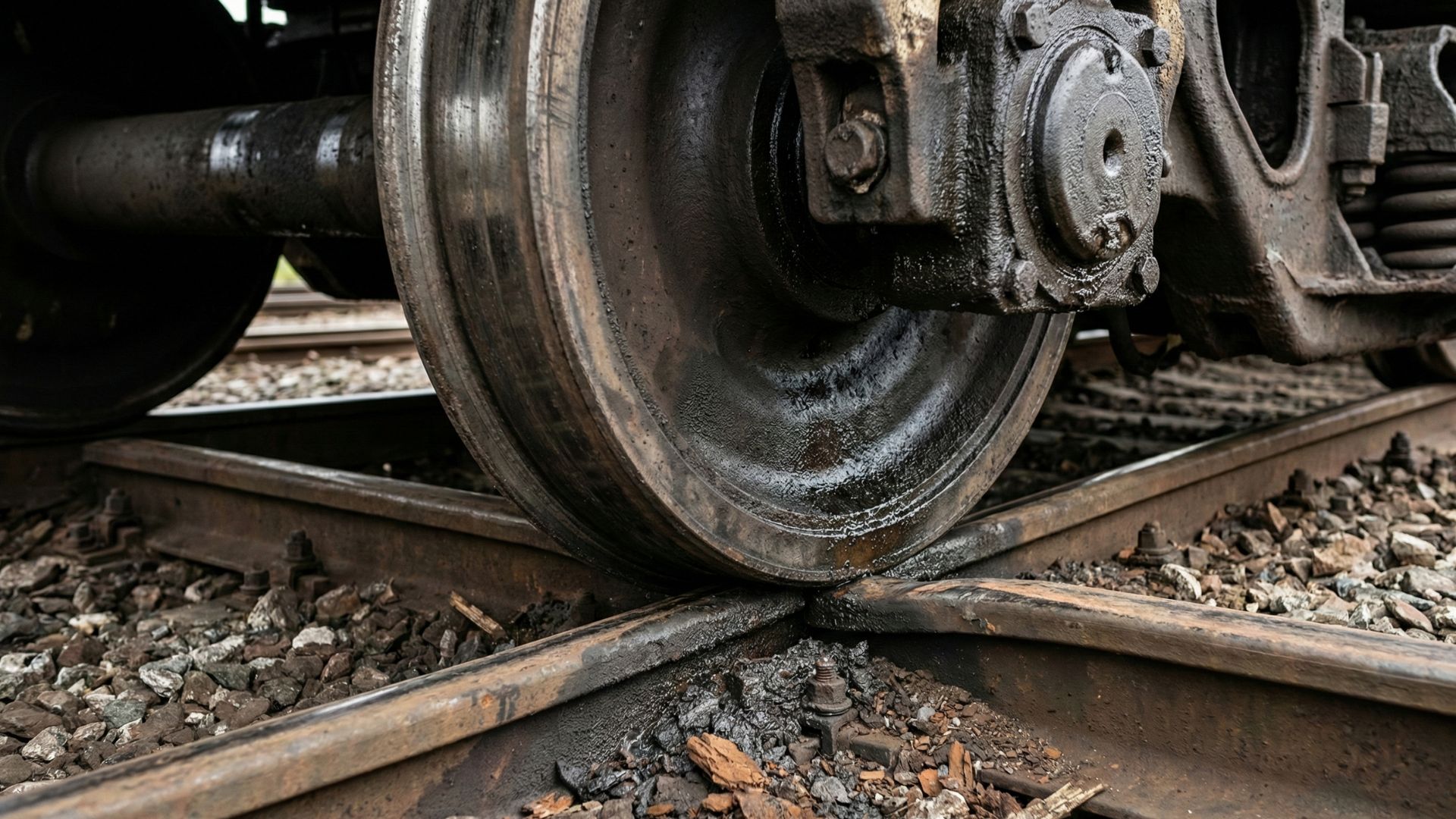
Weight distribution matters, but so does total weight. Freight locomotives are built heavy because weight equals grip. Trains weighing 4,000–20,000 tons demand locomotives massive enough to maintain traction. The wheels need that mass pressing into the rails.
Passenger locomotives work differently. Frequent station stops mean constant acceleration cycles. Some passenger trains hit 125 mph between stops. Heavy locomotives burn more energy accelerating all that mass. Brakes wear faster too.
As a result, passenger locomotives typically weigh significantly less than freight units. The Amtrak P32AC-DM, for example, weighs approximately 274,400 pounds (124 tons). The weight of a train engine reveals exactly what it was designed to do. Freight units maximize pulling force, while passenger units prioritize speed and acceleration. Neither design is better; they’re simply optimized for completely different operating requirements.
What Factors Affect Locomotive Weight
Several key components determine how much a diesel locomotive weighs.
The engine and power output account for a significant portion. Modern locomotive diesel engines are massive. The generators and traction motors converting mechanical power into electrical power add even more mass.
Axle count plays a major role too. 6-axle locomotives weigh more than 4-axle units because they carry additional trucks, wheels, and traction motors. Each truck assembly includes wheels and axles, but that’s not all. There are also suspension systems, brake equipment, and the electric traction motors that actually turn the wheels.
Fuel capacity adds substantial weight. Freight locomotives carry thousands of gallons of diesel fuel. A typical mainline freight locomotive stores over 4,500 gallons of fuel. The locomotive battery and electrical systems also contribute to overall mass.
Structural materials make up a large portion of the weight. American locomotives use extremely robust steel framing. Federal safety standards require it to protect crews in collisions. The frame supports more than just components. It bears the tremendous forces generated when pulling heavy trains.
Why Locomotives Are So Heavy

How much a train locomotive weighs comes down to basic physics. Steel wheels on steel rails don’t grip well. The low friction makes trains efficient for hauling freight. It also means wheels slip easily under power.
Heavy vehicles get better traction than light ones. You can see this driving on ice: a heavy car grips better than a light car with the same engine. The extra weight pushes tires into the road surface. Locomotives use the same principle with steel wheels and rails.
Rail conditions change how well wheels grip. Dry rails work fine. Rain, oil, or leaves on the tracks cut traction. Autumn leaves are notorious for causing slippery rail accidents when they get mulched onto the rails. A locomotive that can’t grip is useless regardless of horsepower.
Heavy locomotives also handle curves better at speed. Light machines would sway and rock. With this in mind. Hundreds of tons stay planted on the track. How that weight gets distributed across the rails matters as much as the total amount.
Locomotive Weight by Axle Configuration
Different types of locomotive engines spread their weight across different numbers of axles. Tracks and bridges have weight limits per axle, not just total weight.
- 4-axle locomotives handle switching work, branch line service, and some passenger trains. Track infrastructure on these routes often can’t support heavier machines.
- 6-axle locomotives dominate heavy mainline freight operations. Six axles instead of four means each axle bears less weight. Heavy locomotives can run on standard tracks without damaging the rails.
Where a locomotive operates depends partly on its axle count.
How Locomotive Weight Impacts Rail Infrastructure
Heavy locomotives need a strong track. Weight affects which routes a locomotive can use. Speed limits vary, too.
Branch lines in rural areas often have lighter rail. Main freight routes use heavy rail on concrete ties with deep gravel ballast. Lighter locomotives run fine on light rail and wooden ties. Heavy modern units need heavier tracks to avoid damaging the rails.
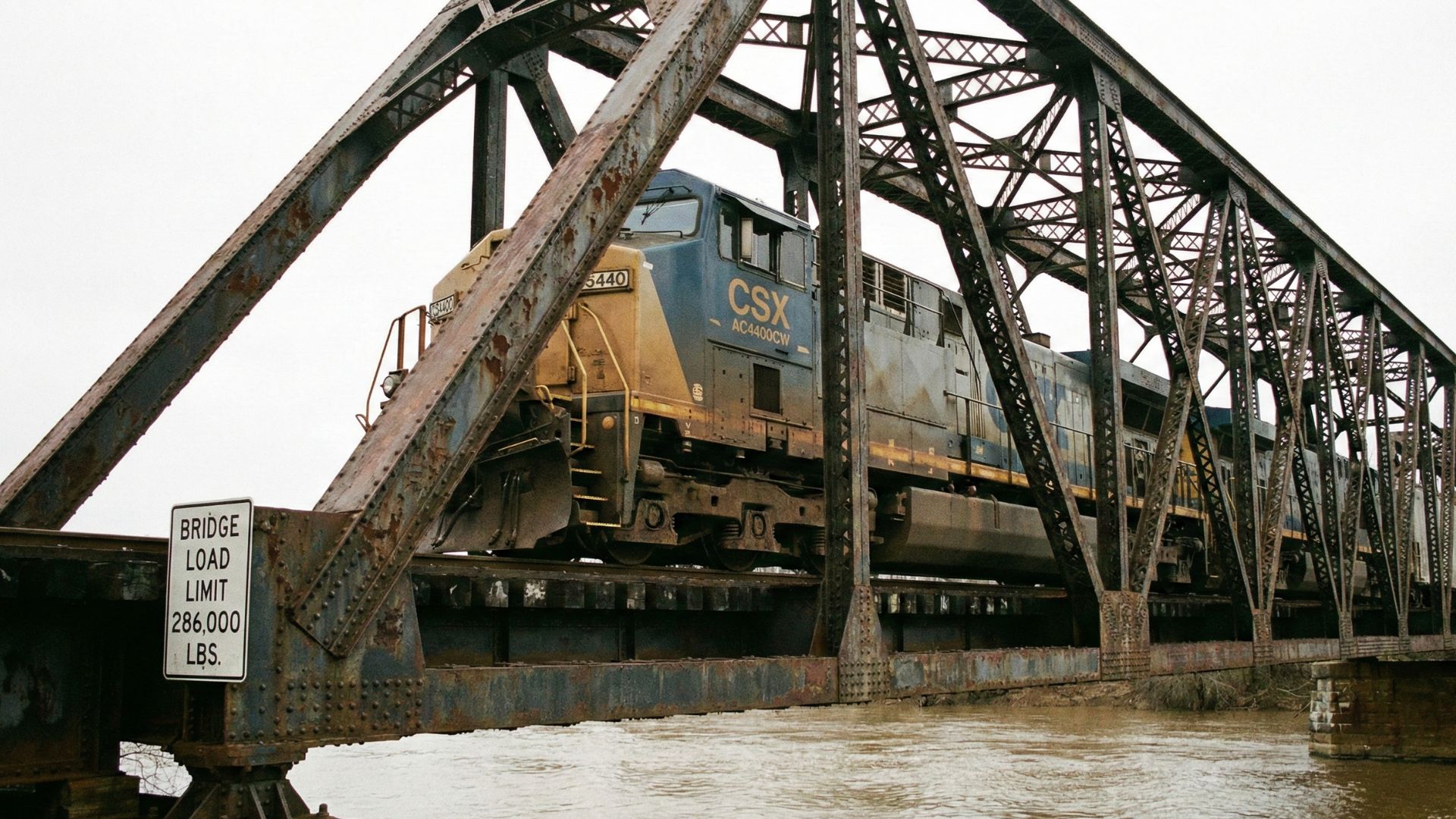
Bridges create the toughest restrictions. Engineers assign each bridge a load rating. Many older bridges weren’t built for today’s heavy locomotives. Trains may crawl across at 10–15 mph to stay within safe limits. Old tunnels present similar problems. One built in the 1800s might have tight clearances that force route or weight restrictions on modern equipment.
Comparison: Locomotive Weight vs Other Vehicles
The difference between a locomotive vs train is important when making weight comparisons. The locomotive is just the powered unit, while the train includes everything coupled behind it. Even alone, a train engine dwarfs most vehicles.
How much does a train engine weigh compared to everyday transportation? A typical freight locomotive weighing more than 400,000 pounds outweighs 5 loaded semi-trucks. The maximum legal weight for a semi-truck on U.S. highways is 80,000 pounds. Five of them combined still don’t match one locomotive.
It would take roughly 115-120 midsize sedans (3,500 pounds each) to match a single 400,000-pound locomotive. A modern freight locomotive weighs about the same as an empty Boeing 747-100/200, which ranges from 358,000 to 388,000 pounds empty.
These comparisons illustrate the mass of railroads work. A locomotive pulling a train represents hundreds of tons of machinery gripping the rails and converting diesel fuel into pulling force. Every pound contributes to traction, stability, or structural integrity.
Conclusion
Ultimately, how much a train locomotive weighs reflects the engineering tradeoffs railroads face. Locomotives need enough mass for traction but can’t exceed what tracks and bridges can handle. Heavy units provide stability at speed. Weight affects fuel consumption. Route flexibility depends on keeping locomotives within infrastructure limits. Every pound of a locomotive serves one of these purposes.
The industry keeps refining this balance. Newer locomotives meet stricter emissions standards while maintaining the weight needed for heavy freight operations. Infrastructure gets upgraded,, and power systems become more efficient, which may change locomotive weights over time. But the fundamental physics of steel wheels on steel rails won’t change. Weight will always be central to freight rail performance.