

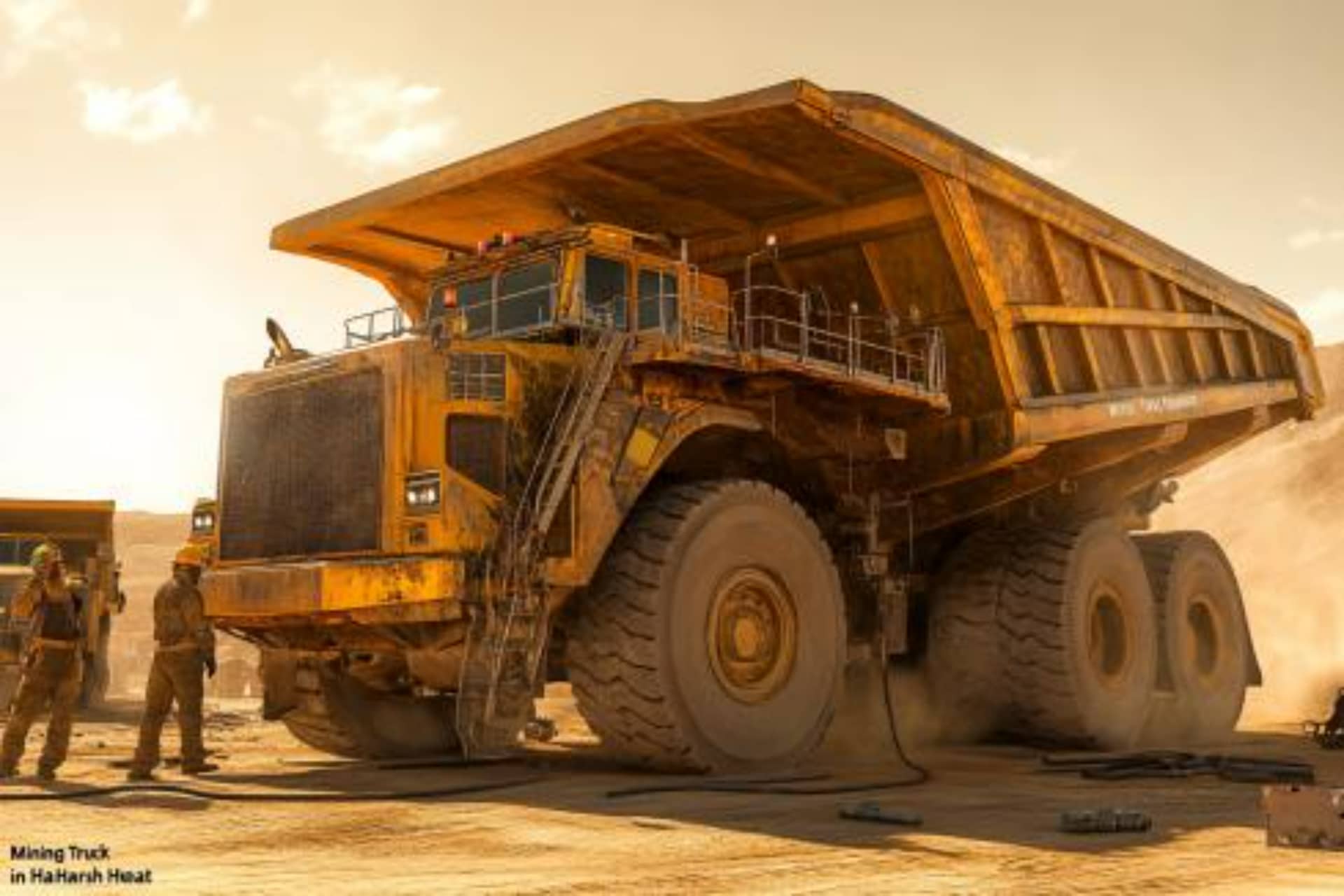
Mining isn’t easy work. It takes serious muscle, patience, and a whole lot of power. If you’ve ever thought about how a mining truck keeps going no matter the heat, ice, or rocky roads, you’re not alone. These trucks are built like tanks to handle the worst environments you can imagine. These heavy machines survive and stay strong when the going gets really tough.
Challenges That Mining Trucks Face Every Day
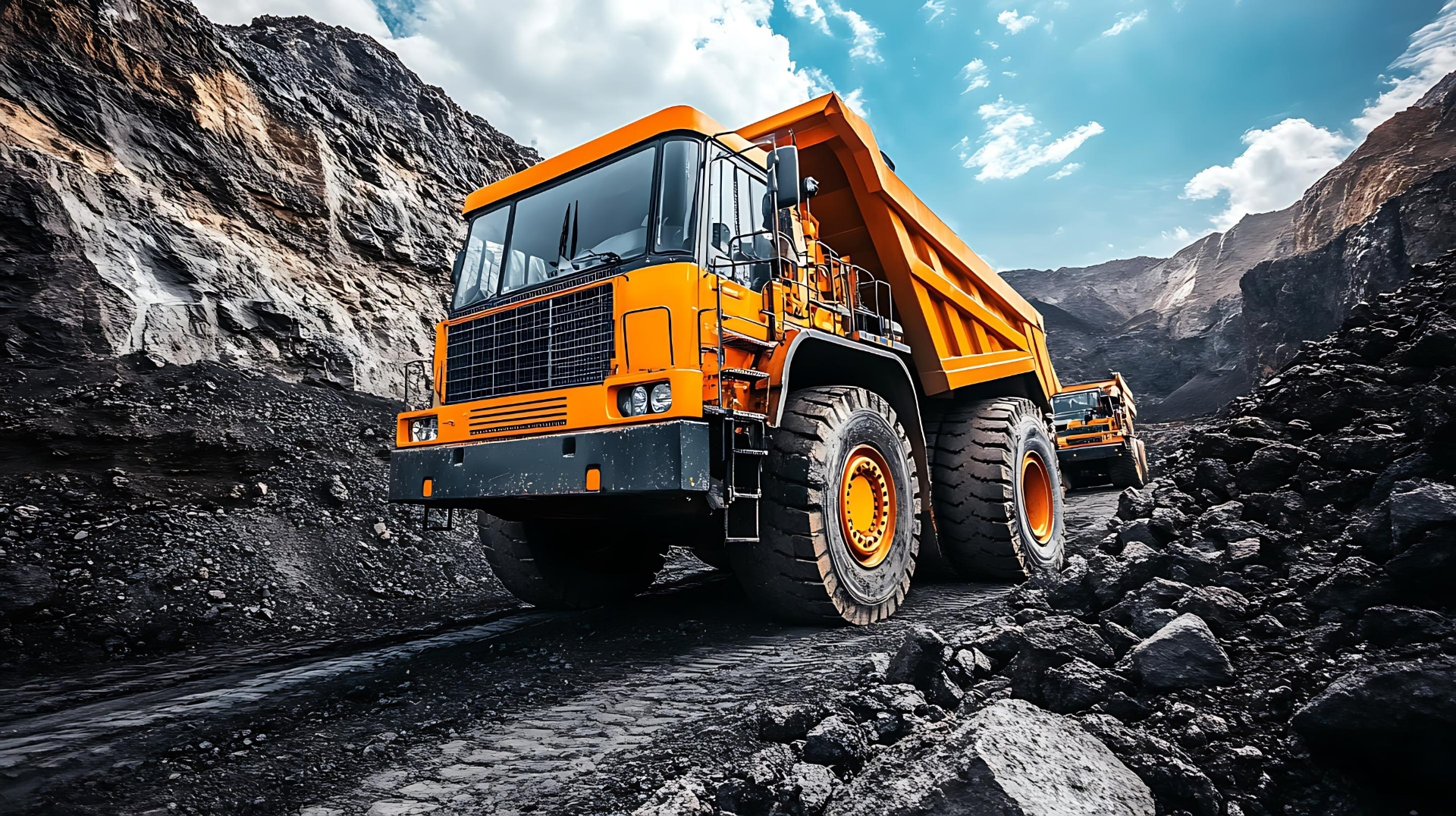
Mining operations aren’t smooth sailing. Mining trucks get pushed to their limits daily, facing rough weather, crazy roads, and nonstop action.
Harsh Environmental Conditions
A mining truck has to deal with extreme weather every single day. In hot open-pit mines, engines bake under the blazing sun, making it tough to keep systems cool. Over in Arctic mining zones, trucks face subzero cold that can freeze parts solid. Then, there’s humidity and salty air that cause rust and wear over time. That’s why special coatings and materials are used to make sure these trucks don’t fall apart after a few seasons.
Rugged Terrains and Heavy Loads
It’s not just the weather that beats up a mine truck. The rocky, uneven ground inside mines can pound a truck’s frame with every trip. Add the massive loads they carry—rocks, dirt, minerals—and you’ve got a recipe for serious strain. Only trucks built with heavy-duty designs can survive this pounding every day without breaking down.
Continuous Operation and Downtime Costs
Mining doesn’t sleep. A mine truck might run 24/7 to keep production goals on track. Any downtime can cost the company thousands of dollars every hour. So, these trucks are made for non-stop work. Regular check-ups, strong parts, and smart designs help reduce unexpected shutdowns that could mess up an entire day’s work.
How Mining Trucks Are Designed for Strength
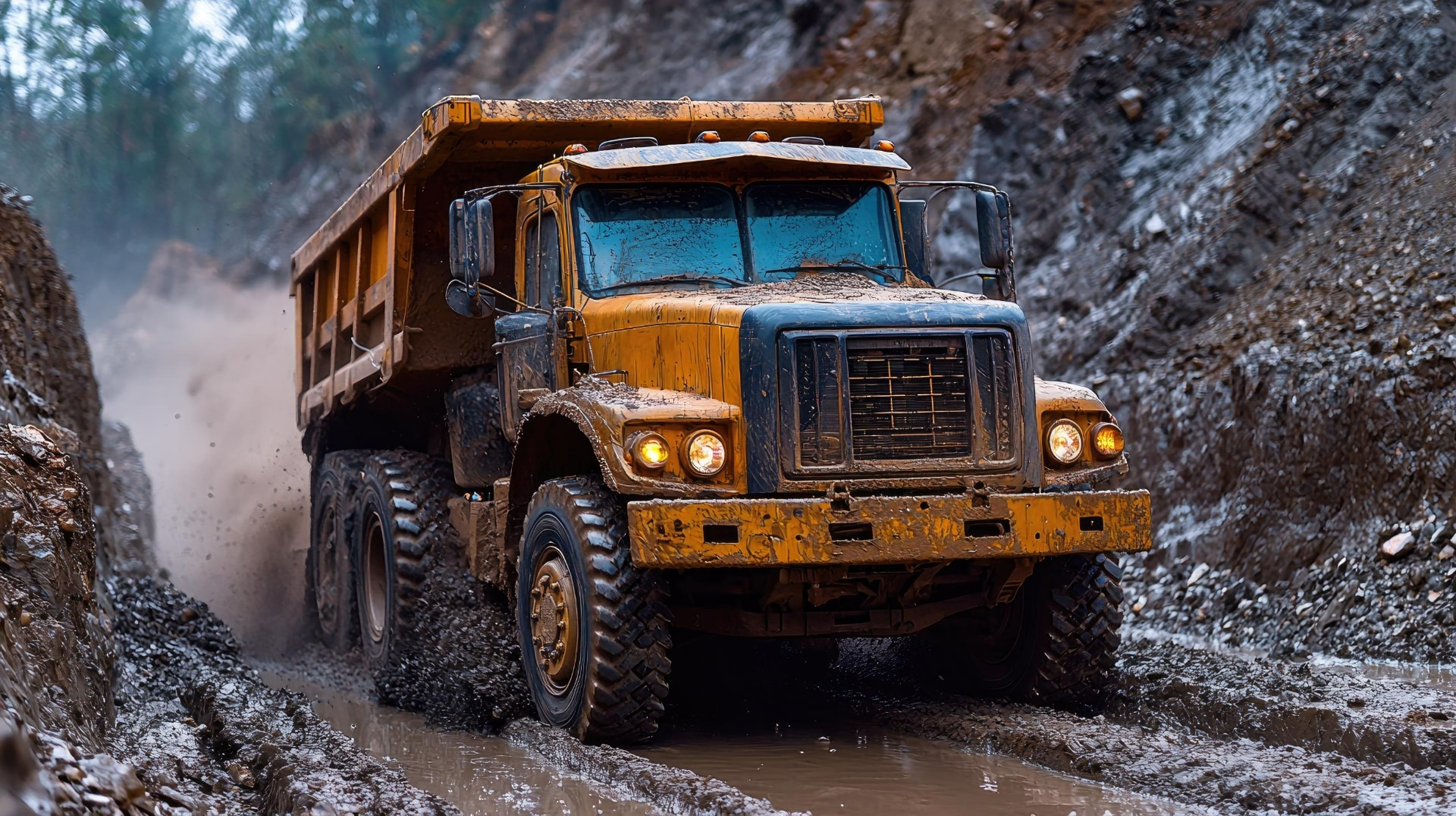
To keep up with everything thrown at them, mining trucks have special designs that focus on toughness first.
Reinforced Chassis and Frame Design
The heart of any mining truck is its chassis and frame. These parts use heavy-duty materials and reinforced steel that can take hit after hit without bending or cracking. The structure is carefully built to absorb shocks and vibrations from rough roads, which keeps drivers safer and trucks lasting longer.
Advanced Suspension Systems
A good suspension isn’t just about comfort—it’s survival. Special advanced suspension systems in mining trucks help them roll over jagged rocks and bumpy surfaces without flipping over or snapping parts. These systems help protect important components underneath the truck while giving operators a smoother ride.
High-Torque, Heavy-Duty Engines
Power is non-negotiable. Mining trucks are fitted with high-torque, heavy-duty engines that can pull thousands of tons without getting tired. These engines are built to stay cool, resist dust and dirt, and keep pushing even when conditions are brutal.
Specialized Tires for Mining Operations
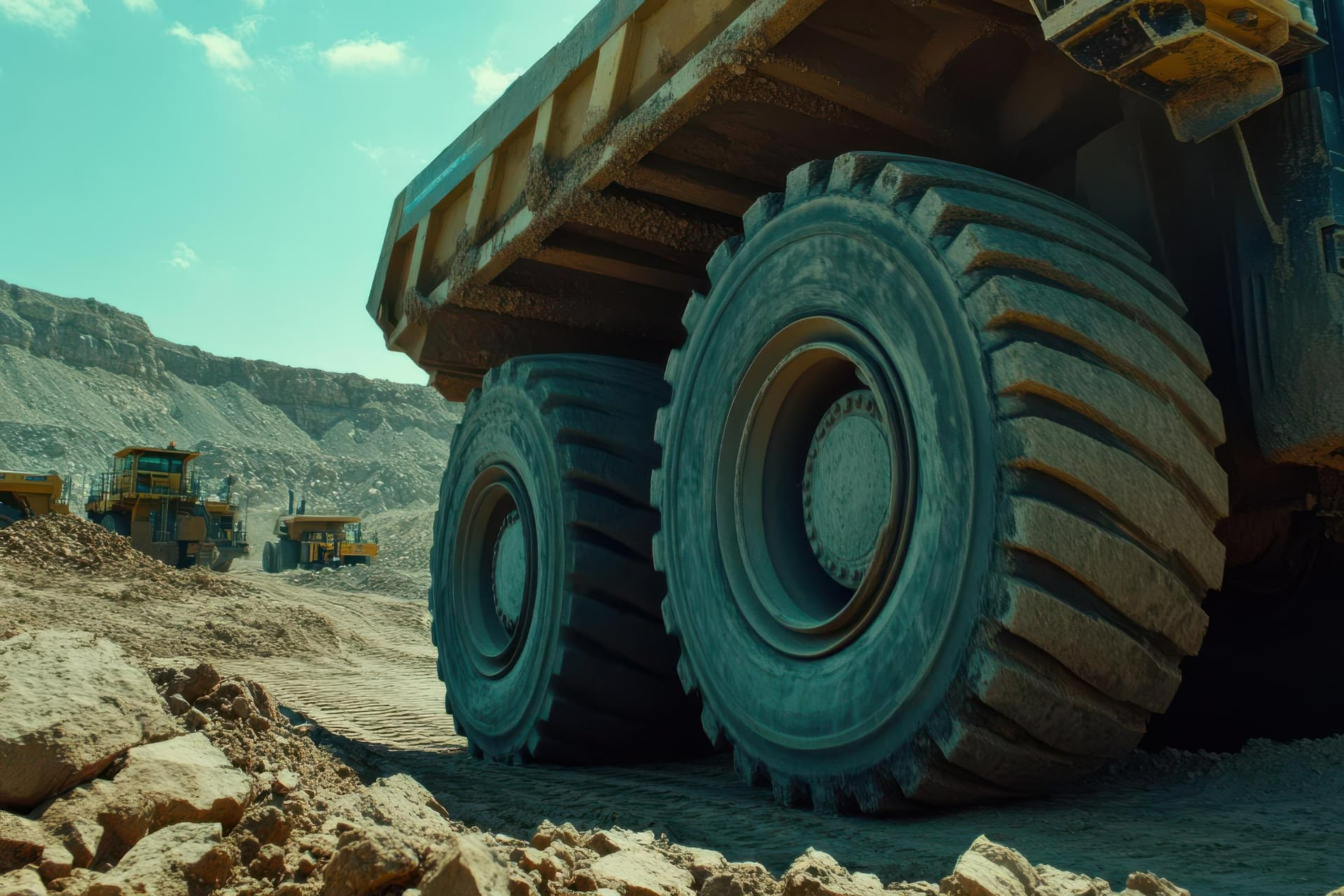
You can’t throw just any tire on a mining truck. These trucks use specialized tires made for extreme jobs. They resist sharp rocks, massive loads, and crazy temperatures. Tough treads and thick walls keep the truck rolling, even when the going gets rough. Choosing the right tire is just as important as picking the right engine.
Smart Upgrades That Keep Mining Trucks Ahead
Today’s mining trucks aren’t just muscle—they’re brains too. New tech is helping these giants work faster, safer, and smarter.
Autonomous and Semi-Autonomous Trucking
Big mines are now using trucks that drive themselves—or almost do. Autonomous and semi-autonomous trucks cut down on human error, saving money and keeping workers safer.
How Automation Improves Efficiency and Safety
When trucks run on auto mode, they follow precise routes, avoid accidents, and work longer hours without breaks. It’s like having a fleet of workers who never get tired or distracted.
AI-powered Navigation and Predictive Maintenance
With AI-powered navigation, a mining truck can choose the best paths automatically, even as the mining site changes. Plus, AI checks engine health and predicts problems before they happen. That way, repairs happen during planned breaks, not emergency stops.
Smart Monitoring and Predictive Maintenance
Sensors are now everywhere on a mine truck. They’re always listening and watching, making sure nothing goes unnoticed.
Real-time Sensors Detecting Wear and Tear
Tiny sensors catch signs of damage, low fluids, or part failures in real time. This lets crews jump in early and fix things before a bigger problem blows up.
Predictive Analytics Reducing Unexpected Failures
Predictive analytics uses past data to guess when parts might fail. Instead of waiting for a breakdown, teams fix issues early, which saves a ton of money and stress.
Fuel Efficiency and Alternative Energy Sources
Fuel isn’t cheap, and dirty engines aren’t great for the environment. That’s why mining trucks are changing.
Hybrid and Electric Mining Trucks
Many companies now use hybrid and electric mining trucks. These trucks use a mix of diesel and electricity to save on fuel costs. Some models even run fully electric, especially in underground mines where air quality is super important.
Reducing Emissions While Maintaining Power
New technology helps mining trucks cut emissions without losing the raw power needed to haul heavy loads. Cleaner trucks create healthier worksites, reduce compliance costs, and keep performance strong. Mines see fewer health risks, safer air quality, and better long-term profits—all without giving up strength.
The Power of Mining Trucks
Mining trucks have one job—get the load where it needs to go, no matter how nasty the conditions. From rocky trails to burning heat and freezing ice, they’re built to take a beating. Thanks to stronger frames, smarter engines, real-time tech, heavy-duty battery charger support, and greener fuels, today’s trucks are tougher and smarter than ever. If you’re ever looking at heavy-duty gear that truly works under pressure, mining trucks are in a league of their own.