

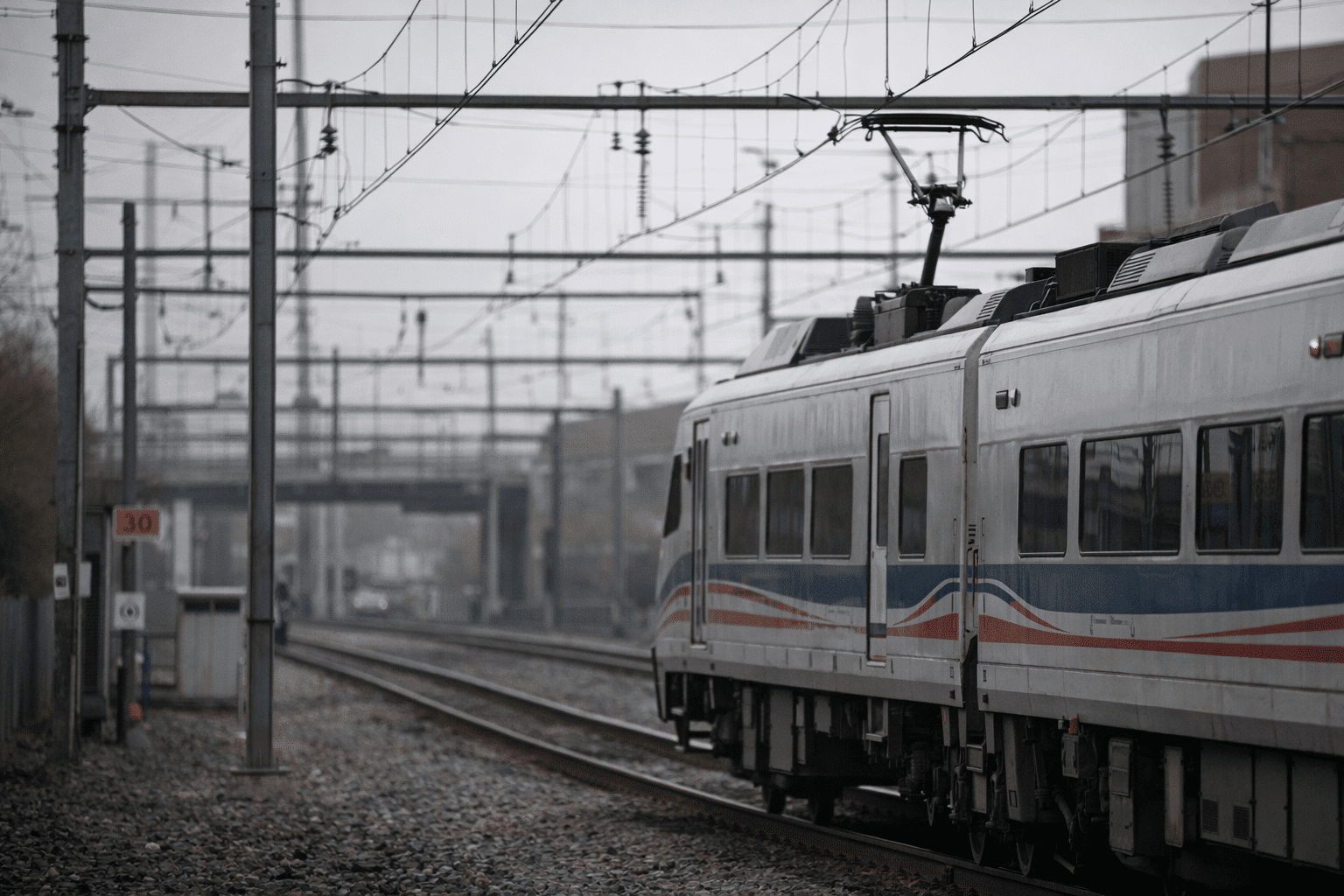
Greenhouse gas emissions from transportation keep climbing. Cars, trucks, ships, and planes all contribute to the problem, and governments worldwide are searching for better options. Transportation sustainability has become a policy priority, and rail offers a proven solution. Trains already move millions of people and tons of freight every day, and newer low-emission trains are entering service worldwide.
What makes a train sustainable, how do different fuel types compare, and where is rail technology headed? Each of these questions shapes how sustainable trains fit into the future of transportation.
What Makes a Train Sustainable
Sustainability in rail comes down to energy use, pollution output, and how long equipment lasts before replacement.
Older diesel locomotives burn fuel constantly and release exhaust into the air. Sustainable designs flip that model. Engineers have developed trains that sip energy instead of guzzling it, release little or no pollution, and keep running for 30–35 years with proper maintenance. Understanding how a train engine works helps explain why some designs outperform others so dramatically.
Rail has always had a built-in advantage. Steel wheels on steel rails create almost no friction compared to rubber tires on asphalt. Modern sustainable rail transport systems push efficiency even further through computer-controlled power management, lighter body materials, and motors that waste less energy as heat.
Numbers show the difference clearly. A diesel-only train releases approximately 90 grams of carbon dioxide for every passenger-kilometer. An electric train drawing power from a renewable grid drops that figure to 4–5 grams. The same journey produces only a fraction of the pollution.

Why Trains Are Considered an Eco-Friendly Transport Option
Physics gives trains an edge that cars and planes simply cannot match. One engine pulls dozens of cars. Hundreds of passengers share the energy cost of a single trip. Freight works the same way. A locomotive hauling 100 cargo containers uses far less fuel per ton than 100 separate trucks would. The fuel efficiency that rail offers is unmatched among land transport options.
Industry data confirms the eco-friendly train reputation. Rail carries roughly 7% of the world’s passengers but only about 1% of transportation emissions. Freight rail shows similar results. A single train can replace hundreds of trucks, cutting both pollution and highway congestion.
Capacity matters too. During rush hour, when trains run at 80–90% full, emissions per passenger drop to their lowest point. Even half-empty trains beat cars because the energy cost spreads across so many seats. Understanding the locomotive vs train distinction helps here: one locomotive can pull many cars, spreading energy costs across hundreds of passengers.
Are Trains More Sustainable Than Planes
When it comes to air travel, the comparison is stark. Flying dumps far more carbon dioxide into the atmosphere per passenger mile than rail travel. On routes under 500 miles, trains win by a wide margin in almost every environmental measure.
Consider a London to Edinburgh trip. The Rail Delivery Group measured just 12.5 kg versus 165 kg for the same journey, a reduction of more than 90%. On comparable routes, trains typically produce more than 85% fewer emissions than planes. French TGV trains running on renewable electricity push that gap even wider.
Are trains more sustainable than planes across the board? For regional and intercity routes, absolutely. France has banned short domestic flights where fast train service exists, and Spain is moving toward similar restrictions. On affected routes, rail cuts emissions by up to 90%. Aviation still makes sense for crossing oceans or connecting continents without rail links. But for distances where both options exist, trains deliver a clear environmental advantage.
Electric Trains and Rail Electrification
Rail electrification changes the equation. Some systems run overhead catenary wires, feeding power through a pantograph on the train’s roof. Others use a third rail at track level with contact shoes that slide along it. Both approaches pull electricity from the grid instead of burning fuel onboard, so direct emissions drop to zero.
Where that grid power originates determines the real environmental impact. Coal-heavy electrical grids still create pollution, just at the power plant instead of the train. But grids are changing. Wind farms, solar installations, and other renewable sources now supply growing shares of electricity in many countries. This shift toward green rail technology has accelerated as rail operators buy renewable power specifically for their networks. Some European systems run entirely on wind and solar.
Electric motors also convert energy more efficiently than diesel engines. About 95% efficiency is typical for electric motors. Diesel engines manage only 30–35%. The rest escapes as waste heat. Over decades of operation, that efficiency gap adds up to enormous fuel savings and pollution reduction.
Alternative Fuels Used in Sustainable Trains
Overhead wires cost millions to install. Remote routes and low-traffic lines often cannot justify that expense. Alternative fuels fill the gap, bringing cleaner operation to tracks that will never see electrification.
Three main technologies are leading this shift:
- Hydrogen trains have gained the most attention. Germany now runs the world’s first hydrogen railway, and California launched North America’s first hydrogen passenger service in 2025. Hydrogen gas combines with oxygen in a fuel cell to produce electricity, with water vapor as the only exhaust.
- Battery technology offers another path. Modern battery-powered trains store energy in onboard packs and can cover around 100 miles between charges. These battery electric trains recharge at stations during normal passenger stops. Some routes mix electrified and non-electrified stretches, with trains drawing power from overhead wires when available and running on stored battery power through the gaps.
- Hybrid diesel-electric systems represent a middle ground. Pairing a diesel engine with battery storage cuts fuel 22-30%. Energy captured during braking gets stored and released when the train speeds up again. Hybrids cut pollution right now on existing tracks without waiting for full electrification.
Each approach suits different route profiles, and sustainable trains using all three technologies are now operating on networks worldwide.
Energy Efficiency and Regenerative Braking
Another efficiency gain comes from braking. Slowing a train down wastes enormous amounts of energy, or at least it used to. Regenerative braking captures that energy instead of throwing it away as heat.
The motors do double duty. During acceleration, they consume electricity to spin the wheels. During braking, the process reverses. Spinning wheels drive the motors backward, and the motors generate electricity instead of consuming it. That power flows into the grid for other trains to use, or it charges onboard batteries for later.
Urban metro systems benefit most from regenerative braking because stops happen so frequently. Barcelona’s subway, for example, pulls about one-third of its power from braking trains, feeding recovered energy back into station operations.
Traditional brake pads wear down from friction and need regular replacement. Regenerative systems handle most of the stopping, so mechanical brakes last longer. Recovery rates typically fall between 8 and 17% of total energy consumption, with optimized systems like Delhi Metro pushing up to 30%. That recovered energy adds up and is one more reason trains are more sustainable than planes on emissions for most routes.
Sustainable Materials and Train Design
Design choices also shape sustainability. Every extra pound on a train requires more energy to move, and sustainable train design addresses this through three strategies:
- Lightweight construction makes a real difference. Aluminum bodies weigh far less than steel. Composite panels cut weight even further. Engineers balance weight savings against durability, but modern materials allow both.
- Aerodynamic shaping reduces drag, which becomes the biggest energy drain at high speeds. Smooth body panels, sealed gaps between cars, and sculpted noses all help. High-speed trains in Japan and Europe show the results of decades of wind tunnel testing.
- Durable, modular construction spreads environmental impact across decades. Standardized components simplify repairs and allow operators to swap parts rather than retire entire cars. A passenger car typically operates for 30–35 years before retirement, and when trains finally reach the end of service, steel and aluminum get recycled at rates above 90%.
A closer look at how trains work shows why material and design decisions matter so much over 30+ years of operation.
Rail Infrastructure and Sustainability
Finally, the infrastructure itself matters. Tracks, signals, and stations all affect the environmental picture. Rail corridors occupy far less land than highways carrying equivalent numbers of travelers. A single rail track can carry many times more passengers per hour than a freeway lane.
Modern signaling systems squeeze more capacity from existing tracks. Computer-controlled spacing lets trains run closer together safely, and driver advisory systems tell engineers exactly when to accelerate and brake. These optimized operations typically reduce energy use by 5–15%.
Rail infrastructure outlasts roads by a wide margin. Tracks with proper maintenance stay in service for 30–50 years. Asphalt highways typically need resurfacing every 10–15 years. Building less often means consuming fewer raw materials.
Conclusion
Electric trains running on renewable power now produce almost no emissions, solidifying rail’s position as a truly eco-friendly train option. Hydrogen and battery alternatives bring clean operation to routes without overhead wires. Regenerative braking recovers energy that older trains wasted as heat.
Lightweight materials reduce energy needs. Aerodynamic shaping cuts drag. Durable construction spreads manufacturing impacts across decades. Even the tracks themselves last longer and take up less space than highways or airports.
Countries that invest in sustainable trains now will see benefits for generations. The technology exists. The environmental case is clear. What remains is the decision to build.
FAQ
What is the most sustainable type of train?
Electric trains drawing power from 100% renewable sources produce the lowest emissions, 4–15 grams of carbon dioxide per passenger kilometer. Hydrogen fuel-cell trains release zero direct emissions, though total impact depends on how the hydrogen was produced. Green hydrogen from renewable electricity offers the cleanest option for non-electrified routes.
Are electric trains completely emission-free?
Electric trains produce no emissions while running. Total carbon footprint depends on the power source. Coal-heavy grids still create pollution at the generating station. Renewable-powered grids bring total emissions close to zero. As countries add more wind and solar capacity, electric trains automatically become cleaner without any equipment changes.
How do trains compare to planes for long-distance travel?
Under 700 miles, trains typically produce more than 85% fewer emissions per passenger than planes. High-speed rail on renewable power pushes that advantage even higher. Transcontinental and intercontinental travel still favors aviation where rail connections do not exist or require impractical travel times.
Can freight trains also be sustainable?
Freight rail is already one of the most efficient ways to move cargo. A single gallon of diesel moves one ton of freight approximately 470 miles by train. Electrification and alternative fuels are making freight even cleaner. Battery-electric and hydrogen-powered locomotives have entered service, cutting diesel use significantly.