

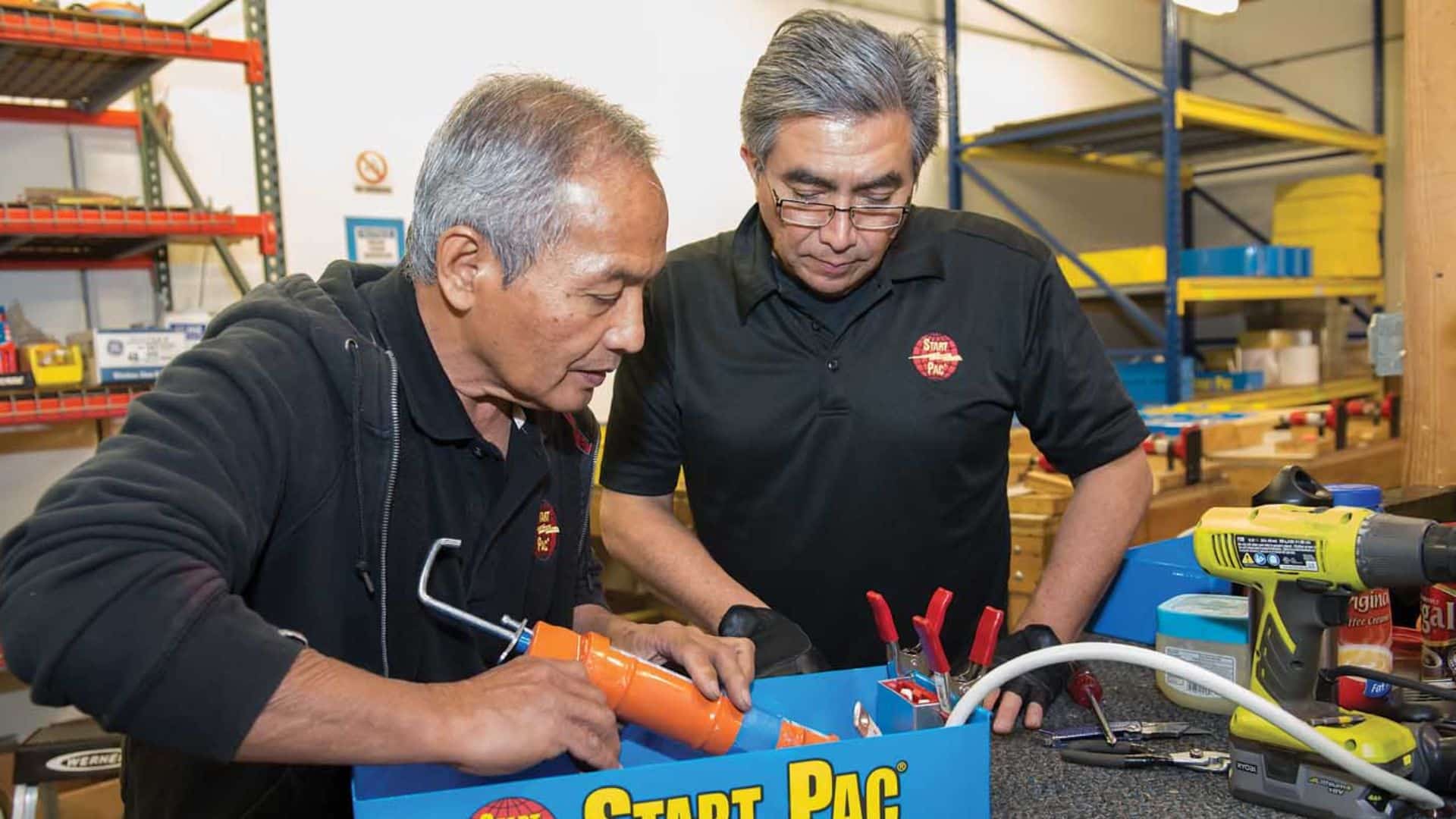
Unplanned equipment failures quickly drain mining operations. When a crusher or haul truck goes down, it can be felt across the whole operation. Good mining equipment maintenance is what separates operations that hit their targets from those constantly playing catch-up.
Importance of Mining Equipment Maintenance
When a hydraulic shovel breaks down, everything behind it stops. Haul trucks line up with nowhere to go while the crusher runs empty.
A single failure in mining rarely stays single. When a loader goes down, it doesn’t simply idle one machine. It starves the crusher, backs up trucks, and throws your blast schedule off. Every hour of delay on critical equipment can mean six figures in lost production.
Neglected mining maintenance puts people at risk too. Technicians end up rushing overnight repairs, increasing the chance of errors. Additionally, crews under pressure skip steps.
The good news is that most failures can be prevented. The challenge lies in building systems that catch problems before they spread.
Common Mining Equipment and Its Maintenance Needs
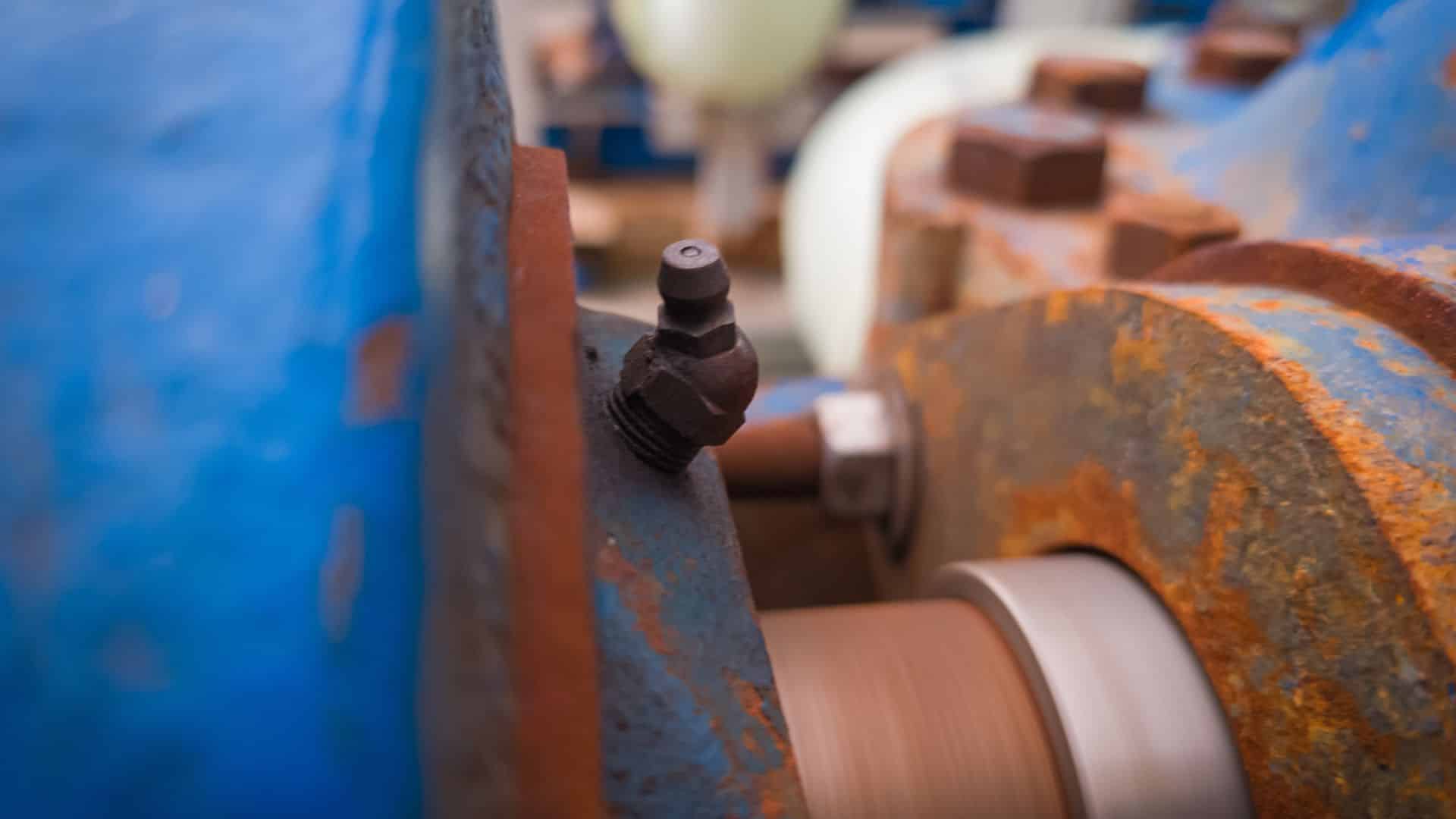
Every piece of equipment has its own failure patterns. Knowing what breaks and why helps you catch problems early.
Excavators and Shovels
These machines set the pace for everything downstream. When a shovel stops loading, trucks sit idle and crushers starve for material.
Most excavator problems start in the hydraulic system. Modern units run at pressures up to 5,200 PSI with very tight tolerances, and even small amounts of contamination cause serious damage. Abrasive particles grind away at pumps and valves from the inside, which is why keeping your fluid clean to ISO 4406 standards and testing it regularly matters.
A whining sound from the hydraulic pump usually indicates cavitation, which happens when air bubbles form and collapse inside the fluid. This can destroy a pump in minutes. Low oil levels or clogged suction strainers are the usual culprits. Temperature matters just as much: anything above 180°F breaks down seals and thins the oil, leading to internal leaks and lost power.
Undercarriage work accounts for roughly half the maintenance budget on tracked machines, making regular track tension checks essential. Loose tracks can come off entirely, while overtightened ones wear out bushings and sprockets faster. Cleaning out packed mud every day prevents seized rollers and false tension readings.
Haul Trucks and Dumpers
Tires are usually your second-biggest expense after fuel. On a 400-ton truck, a single tire can run $50,000 or more. A blowout creates real danger for anyone nearby.
Each tire has a Tonne-Kilometre per Hour rating that you shouldn’t exceed. Push past it and internal heat builds until the tire separates. Real-time pressure monitoring helps you spot problems early. For example, watch for temperatures climbing above 185°F, and keep pressure differences between dual tires under 5 PSI to prevent uneven loading.
Rims need careful inspection too, particularly for cracks and proper lock ring seating. The stored energy in an inflated mining tire is enormous. In addition, rim failures had fatal outcomes in the past.
Another important move is to run oil analysis every 250 hours to catch fuel dilution or coolant leaking into the crankcase. Inspect suspension struts for proper nitrogen charge and oil level at the same time. When a strut collapses, shock loads go straight to the frame. Over time, this causes fatigue cracking.
Crushers and Conveyors

Crushers take constant punishment from impact and abrasion. To stay ahead of wear, start with tracking liner profiles on cone and jaw crushers to predict when they need replacement.
Running them too thin risks damage to the mainframe itself. Cone crushers work best when the cavity stays full, a practice called choke feeding that spreads wear evenly. Conversely, a half-empty crusher wears unevenly and stresses bearings.
Additionally, monitor oil pressure, flow, and temperature on crusher lubrication systems closely. Any sudden pressure drop or temperature spike signals bearing trouble and calls for immediate shutdown.
Most conveyor issues trace back to belt tracking. When a belt drifts and rubs the structure, you get friction, heat, fire risk, and a destroyed belt edge. Laser alignment and self-training idlers can solve most of these issues. Furthermore, keep scrapers tensioned to clear material from the return side, and inspect splices regularly for separation.
Drills and Other Auxiliary Equipment
Your blasting schedule depends on drilling staying on pace. In particular, the compressor does most of the critical work here, providing air to cool bits and clear cuttings from the hole. Without enough airflow, cuttings get re-ground, and bit wear accelerates. Therefore, regular filter and oil separator maintenance keeps airflow where it needs to be.
Drill rod threads take tremendous abuse from torque and vibration and need proper cleaning and lubrication to prevent galling, which can cause a string to snap downhole and leave expensive tools stuck in the rock.
Finally, the bit condition deserves equal attention. Dull carbides fail to transfer energy into the rock efficiently. Instead, shock loads travel back into the rig’s mast and rotary head.
Types of Mining Equipment Maintenance Strategies
Most operations benefit from combining several approaches based on how critical each asset is.
Preventive Maintenance
This means servicing equipment on a schedule regardless of its current condition. You change oil every 250 hours or swap conveyor rollers every two years whether they need it or not.
Preventive maintenance for mining equipment makes budgeting predictable and keeps parts in stock. The trade-off is that you’ll sometimes replace parts that still have life left. The work itself can also introduce new problems through human error.
Predictive Maintenance
Predictive maintenance systems take a different approach, using real-time data to check equipment health rather than following a calendar. You fix things when the numbers say trouble is coming. This catches problems early while still getting full use from parts.
The results are worth the investment. Operations running predictive programs report cost reductions of 25-30% and downtime drops of 35-50% compared to reactive approaches. The key is acting on warnings early enough to schedule repairs at a convenient time.
Corrective Maintenance
Sometimes things break despite your best efforts. The problem is that about two-thirds of operations rely on this as their main strategy, running equipment until it fails. That reactive approach costs three to four times more than planned maintenance. You pay for emergency shipping, overtime, and secondary damage. A $500 bearing can take out a $50,000 gear set when it seizes.
Good corrective maintenance means having procedures ready, parts on hand, and trained crews who can respond fast.
Condition-Based Maintenance (CBM)
Condition monitoring in mining lets you see inside equipment without taking it apart. Several technologies make this possible.
First, vibration sensors catch problems in rotating machinery months before failure. A healthy motor has a signature hum, and when a bearing starts to fail, that pattern shifts. In addition, software detects these changes long before anyone would notice manually.
Next, oil analysis shows what’s happening inside engines and hydraulics, though reading the results takes some expertise. High silicon with elevated aluminum and iron means dirt is getting in. By contrast, silicon alone is usually just sealant residue from a recent repair. Similarly, copper spiking with lead points to bearing wear, but copper by itself is often the oil cooler leaching. This appears alarming but poses no real risk
Finally, infrared cameras round out the picture by showing heat patterns. For example, a failing bearing on a conveyor idler, a loose connection in an electrical panel, a blocked cooling passage: you can spot all of these without touching anything.
Best Practices to Reduce Downtime
Strategy matters less than consistency. The operations that excel at maintenance aren’t always the most advanced. They’re the ones that do the basics well, every time.
A solid mining equipment maintenance program ties everything together. It creates work orders when sensors flag problems, gives technicians equipment history at the machine, and tracks metrics like Mean Time Between Failures and maintenance cost per ton so you can see what’s working. Ultimately, software only helps if you’re feeding it good data.
Your operators notice things sensors miss. They hear when something sounds wrong and feel when controls respond differently. Effective mining maintenance programs make it easy to report these observations and follow up fast. If reporting means filling out a form and waiting a week, people stop reporting.
Inspection checklists work best when they define exactly what counts as a problem. Some mines adapt the Minimum Equipment List from aviation. Others build directly from MSHA requirements for pre-operational checks and safety defect tag-outs.
Parts availability deserves more attention than it gets, since some parts take a year to arrive. Without critical long-lead items on the shelf, a part failure becomes a months-long shutdown. Federal mine safety regulations also shape inspection requirements worth incorporating into your program.
The Role of Technology in Modern Mining Maintenance
Digital tools have moved from nice-to-have to essential. When unplanned downtime costs large operations $59 million a year, sensors and software pay for themselves fast. These technologies enable asset performance optimization by turning raw data into actionable maintenance decisions.
IoT sensors stream constant data on temperature, pressure, vibration, and fluid levels. Central systems process this information and flag problems automatically, helping maintenance teams prioritize their efforts.
Digital twins are virtual copies of physical equipment. They let you test operating conditions and maintenance schedules before trying them for real, reducing the risk of costly mistakes on actual machinery.
Battery-electric equipment brings different needs. The mining locomotive units common underground require careful battery management and heat monitoring. When a battery dies three miles from the shop, battery jump starters for mining equipment get machines running again without waiting on a service truck.
Conclusion (Suggested: Building a Maintenance Program That Lasts)
A strong maintenance program takes time to build. Start by figuring out what unplanned downtime actually costs. Then, make the case for investing in monitoring and training.
Focus first on equipment that stops everything else when it fails. As results build up, expand from there. Mining equipment maintenance decides whether you hit targets or spend time explaining why you didn’t.
Frequently Asked Questions
What is the best maintenance strategy for mining equipment?
A mix of predictive and condition-based maintenance for critical assets works best. Use scheduled preventive maintenance for supporting equipment. Operations using this approach cut unplanned downtime by a third to half.
How does mining equipment maintenance reduce downtime?
Catching problems before they cause failures lets you schedule repairs during planned shutdowns. You also avoid secondary damage when one failing part destroys others.
What are common causes of mining equipment failures?
Dirty hydraulic fluid, poor lubrication, and ignored wear parts cause most breakdowns. Haul trucks fail from tire and suspension problems. Excavators usually have hydraulic and undercarriage issues.
What technologies improve mining maintenance efficiency?
Vibration monitoring and oil analysis catch most problems before they turn into failures. Thermal imaging spots hot spots in electrical panels and worn bearings. Beyond that, you need a system that keeps work orders and parts organized so nothing slips through the cracks.
How often should mining machinery be serviced?
Mining machinery servicing intervals vary by equipment. Engine oil analysis typically happens every 250 hours. Hydraulic systems need monthly contamination testing. Daily visual inspections apply across all equipment types.