
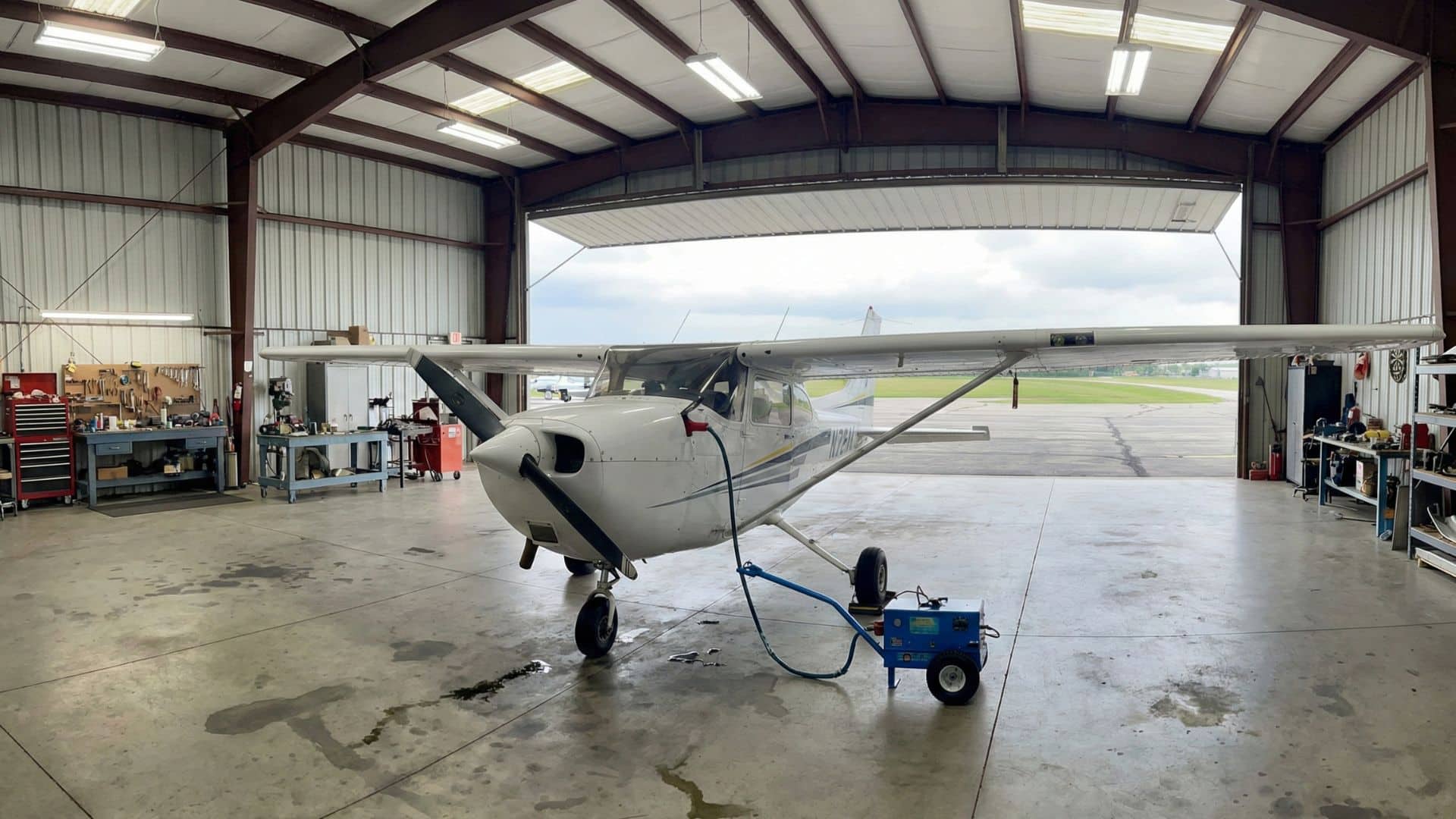
A plane that can’t fly is a plane that’s bleeding money. Aircraft downtime represents one of the most expensive operational failures in commercial aviation, and aircraft on ground events rank among the most dreaded situations. It is not because they’re rare, but because the costs start piling up the moment wheels stop turning.
For decades, the industry treated these groundings as unavoidable. Something breaks, you fix it fast, you move on. But that reactive mindset is giving way to something smarter. Predictive maintenance now lets operators spot trouble brewing inside engines, hydraulics, and avionics days or weeks before anything actually fails. Instead of scrambling after a breakdown, maintenance teams can plan repairs around the operation rather than the other way around.
Understanding why aircraft get grounded, what it costs when they do, and how predictive maintenance changes the math on unscheduled downtime can help operators stay ahead of disruptions.
What Is AOG in Aviation
AOG stands for Aircraft on Ground, a designation given when a plane can’t fly due to a mechanical, technical, or maintenance problem. The designation triggers a cascade of urgent responses across the aviation supply chain.
Parts flagged AOG jump to the front of every shipping queue. Shipping companies arrange emergency transport, sometimes chartering dedicated flights just to move a single component, while maintenance crews clear their schedules.
So, what is AOG in aviation, really? It’s shorthand for crisis mode, but not every mechanical hiccup qualifies. A flickering cabin light or a minor sensor glitch might wait for the next scheduled maintenance window. However, when a component failure grounds an aircraft, that plane sits until someone fixes the problem and signs off that it’s airworthy again.
Why Aircraft On Ground Events Are So Costly

The repair bill is almost the least of it.
Direct expenses add up quickly: replacement parts, emergency labor, rush shipping from wherever the component happens to be sitting. Fly a turbine blade from Singapore to Chicago overnight, and transportation alone can exceed the part’s cost. MRO facilities charge premiums for unscheduled maintenance because squeezing in an emergency job means bumping something else.
The numbers are stark:
- AOG situations are believed to cost between $10,000–$150,000 per hour depending on aircraft type and route.
- Flight disruptions cost the airline industry approximately $60 billion annually, representing about 8% of total airline revenue.
Indirect costs usually dwarf the repair tab. A grounded aircraft isn’t generating ticket revenue, passengers need rebooking on competitor airlines, and hotels and meal vouchers come out of the airline’s pocket. Crew scheduling gets complicated too, as duty-hour limits tighten when schedules fall apart.
Then, there’s the domino effect. That aircraft sitting in Denver was supposed to fly to Dallas, then Miami, then Atlanta. Each leg affects connecting passengers, gate assignments, and crew positioning. One grounded plane in the morning can mean a dozen delayed flights by evening.
Common Causes of Aircraft On Ground Situations
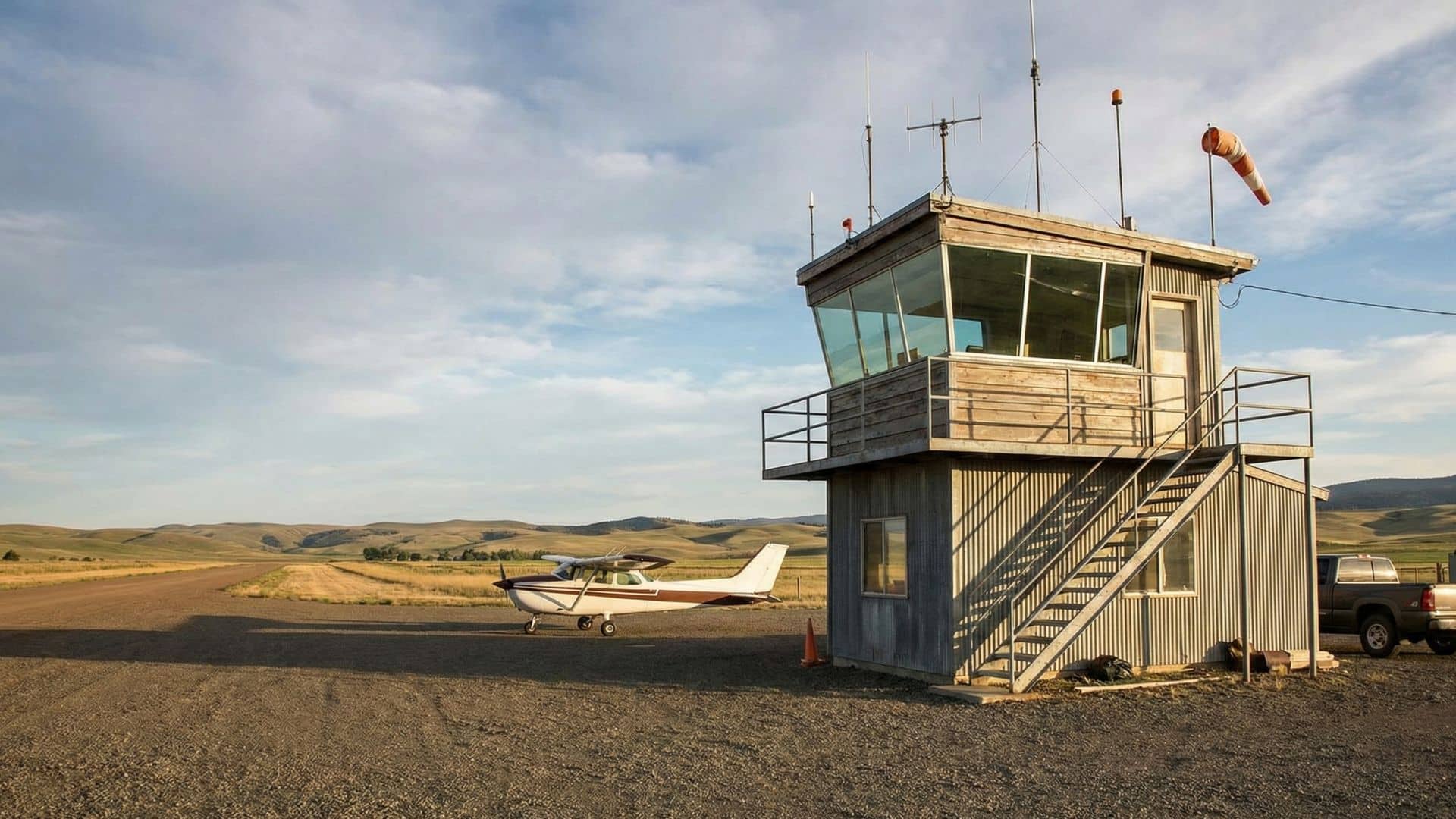
Several factors can ground an aircraft unexpectedly:
- Mechanical failures: A hydraulic pump works fine until it doesn’t. An engine sensor drifts out of spec between inspections. Component failures remain a key factor in what causes plane crashes, and with thousands of parts under constant stress, some percentage will fail no matter how well maintained.
- Deferred maintenance reaching limits: Regulations permit postponing certain non-critical repairs, but deferrals come with limits: maximum days, flight hours, and cycles. Stack up enough or let one expire, and the aircraft becomes unairworthy.
- Parts unavailability: Supply chain disruptions have extended lead times for many components. Parts that shipped in weeks now take months. If a replacement isn’t in stock when something breaks, the aircraft sits.
- Environmental stress: Fleets working harsh environments (desert dust, salt air, extreme cold, high-cycle routes) see accelerated wear. Aircraft battery systems take particular punishment, as do pneumatic seals and landing gear components.
- Human factors: Missed inspection deadlines, paperwork errors, and poor communication between shifts still ground aircraft more often than anyone would like to admit.
Any of these factors alone can trigger an AOG event, and they often compound each other.
The Role of Aircraft On Ground Logistics
Once an aircraft goes down, logistics determine how long it stays that way. Aircraft on ground logistics is a specialized discipline focused on speed: finding the right part, getting it to the right place, and doing both faster than seems reasonable.
That means maintaining relationships with suppliers and distributors worldwide. When a part isn’t available domestically, logistics teams need to know who has stock in Frankfurt, Dubai, or Singapore, and how to get it moving within hours.
However, sourcing is only half the battle. Coordination becomes everything during an AOG event. The MRO facility needs to know when the part will arrive so they can schedule technicians, the supplier needs accurate shipping information, and the airline needs updates for rebooking decisions. This coordination works only when information flows freely between everyone involved.
The limitation of logistics is that even perfect execution can’t undo a grounding. By the time parts are being sourced, the aircraft is idle and revenue already lost. Logistics minimizes the damage, but it’s still damage control. That reality explains why the industry has grown interested in not needing emergency logistics in the first place.
What Is Predictive Maintenance in Aviation
Predictive maintenance flips the traditional maintenance model on its head. Instead of waiting for parts to fail or replacing them on fixed schedules regardless of condition, it uses real-time data to forecast which components are heading toward trouble.
This approach is possible because modern commercial aircraft are equipped with extensive sensor networks that generate massive amounts of operational data. The Airbus A350, for example, has approximately 50,000 sensors onboard, tracking everything from engine exhaust temperatures to hydraulic pressure fluctuations to vibration patterns in the landing gear. The A380 is fitted with as many as 25,000 sensors.
Most of this data is used to get ignored or archived. Predictive maintenance actually uses it, running the numbers through analytical models that can spot when something’s drifting toward failure. Maybe an engine bearing is running 12 degrees hotter than it did 6 months ago, or a hydraulic actuator’s response time has crept up by 40 milliseconds. Such changes don’t show up during walkarounds or scheduled inspections, but they often signal a failure that’s weeks away.
This is fundamentally different from reactive maintenance, where the philosophy is basically “fix it when it breaks.” It’s also different from calendar-based maintenance, where parts get swapped at fixed intervals regardless of whether they actually need replacing. Calendar-based programs sometimes yank components that have years of life left, while other times they miss problems that crop up between scheduled checks.
Predictive maintenance tries to thread that needle: replace parts when they actually need replacing, not before and definitely not after. For operators focused on fleet reliability, this approach means fewer surprises and more consistent aircraft availability across the operation. AI in aviation has made this far more practical, with machine learning models that get better at spotting failure patterns as they analyze more flight data.
How Predictive Maintenance Reduces Aircraft On Ground Risk
When you can see a failure coming, you can get ahead of it.
Consider a practical example: if monitoring data shows a fuel pump trending toward failure, maintenance can swap it during a scheduled overnight stop rather than dealing with it at an outstation where there’s no spare on hand. The part gets ordered in advance, a technician gets assigned, Aircraft ground power units are standing by, and what could have been an AOG event turns into a work order that gets knocked out at 2 AM while the plane would’ve been parked anyway.
Trend monitoring adds another layer of protection. Rather than treating every aircraft identically, predictive systems track individual tail numbers. If one engine shows wear patterns different from fleet norms, it gets attention tailored to its condition rather than just its hours or cycles.
Beyond individual components, predictive data transforms aviation maintenance planning. When analytics flag which components are most likely to need work in the coming weeks, operators can position spare parts where they’ll be needed, schedule labor to match, and avoid the cascading delays that come from surprises. Extended groundings often happen not because repairs are complicated, but because spare parts availability wasn’t aligned with need; the right part wasn’t in the right place.
The cumulative effect is significant. A properly implemented predictive maintenance program can reduce operational disruptions and overhaul costs while improving aircraft availability through proactive component management.
Less reliance on emergency repairs is the natural result. Fewer unexpected failures means fewer frantic calls to AOG logistics providers, fewer premium-priced rush shipments, and fewer mechanics working overtime to clear planes for morning departures.
Key Technologies Supporting Predictive Maintenance
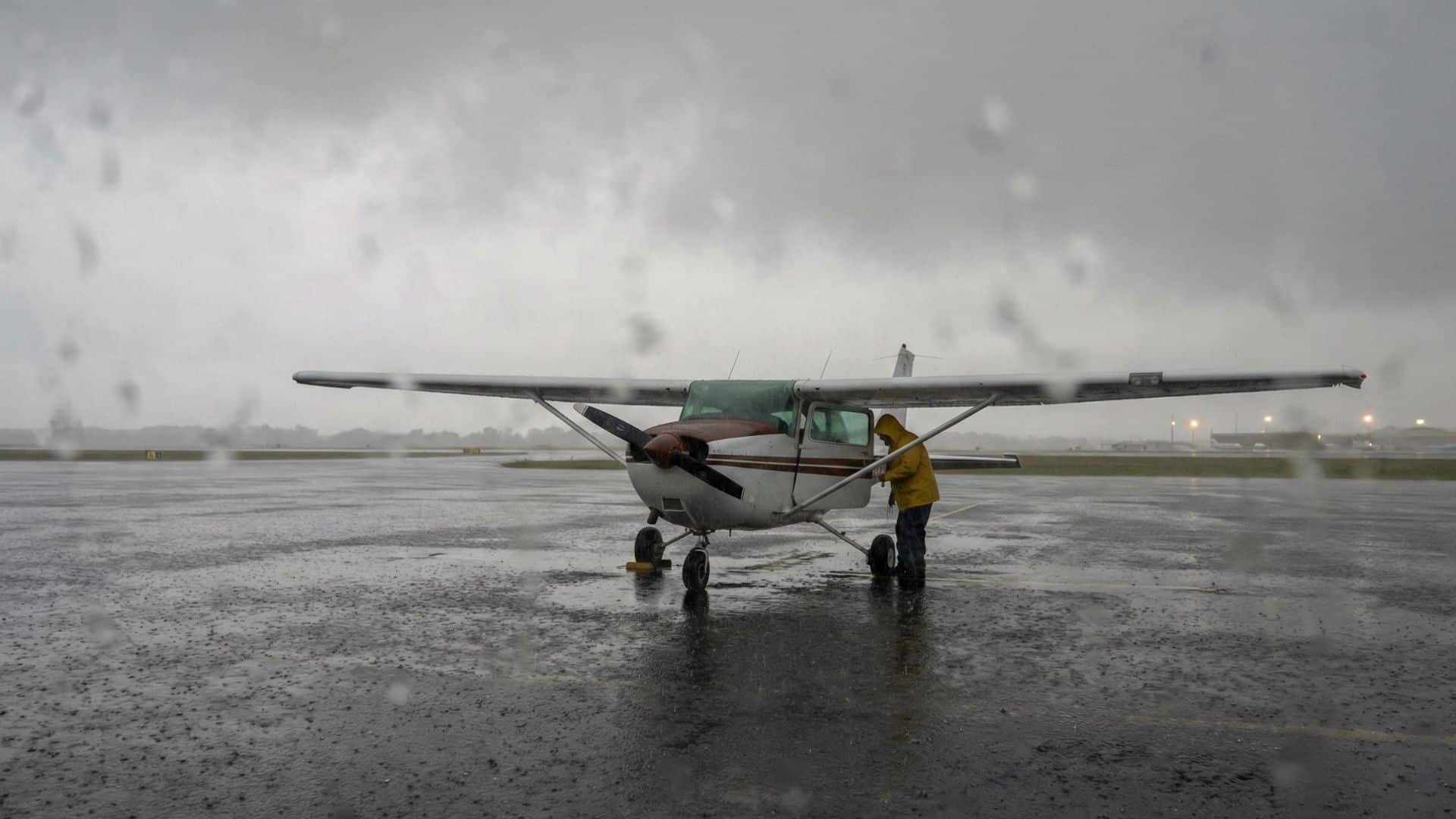
Several technologies make predictive maintenance possible:
- Aircraft health monitoring systems: These platforms collect sensor data from across the airframe and consolidate it for analysis. A single transatlantic flight on a widebody like the A350 can generate 5 terabytes of data per day, most of which contains clues about component health no human inspector could catch during a walkaround.
- Advanced sensors: Oil debris monitoring systems can detect microscopic metal particles indicating bearing wear long before anything shows up in performance data. 10 years ago, operators couldn’t measure half the parameters they track now.
- Analytics and machine learning: Models get trained on historical failure data, learning which combinations of readings preceded past breakdowns. Different aircraft categories often need separate models because a regional jet’s wear patterns look nothing like a long-haul widebody’s.
- Decision-support software: Rolls-Royce introduced the market-defining TotalCare service in the 1990s and has offered engine health monitoring for decades. Today’s tools translate complex probability calculations into practical recommendations: this part, on this aircraft, needs attention within this timeframe.
When these technologies work together, operators gain visibility that was impossible a decade ago.
Predictive Maintenance vs Traditional AOG Response
The contrast comes down to timing.
Traditional AOG response accepts that groundings will happen and focuses on minimizing their duration. Logistics networks stand ready to ship parts overnight, MRO operations keep emergency slots open, and airlines budget for the inevitable costs. It works, within limits.
Predictive maintenance aims to make those emergency capabilities unnecessary. If you know a component is failing before it fails, you don’t need overnight shipping or emergency MRO slots. The problem gets solved before it becomes a crisis.
When it comes to expenses, math favors prevention. Emergency repairs carry premiums at every step: expedited parts, rush freight, overtime labor, and passenger compensation. The repair itself might be identical whether planned or reactive, but everything surrounding it costs more when it’s a surprise.
Schedule reliability improves too. Airlines running mature predictive programs see fewer last-minute cancellations from mechanical issues. That means happier passengers, simpler crew scheduling, and operations that run closer to plan.
Best Practices for Minimizing Aircraft On Ground Events
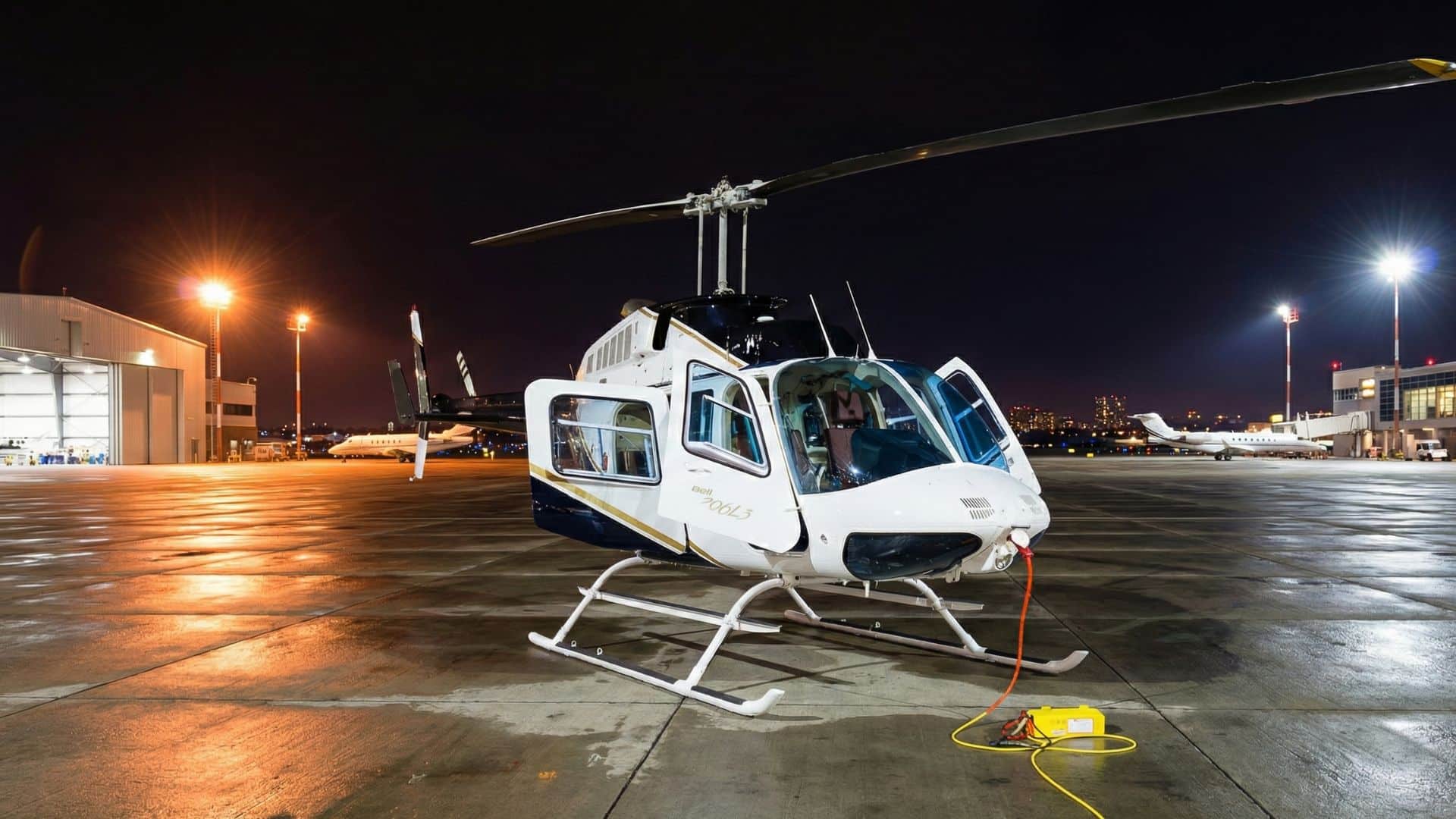
Operators seeing the best results tend to follow a few principles:
- Pair prediction with logistics readiness: Predictive maintenance reduces how often things go wrong unexpectedly, while good logistics minimizes the pain when something does. Neither alone provides complete coverage.
- Prioritize high-consequence components: Parts that fail often, take weeks to source, or will absolutely ground an aircraft should get monitoring attention first.
- Calibrate alert thresholds continuously: Most programs start with settings that generate too many false alarms or too few real warnings. Getting it right takes fleet-specific experience.
- Track outcomes: How many AOG events happened this quarter versus last year? Did the predictive system flag any in advance? Without this data, there’s no way to measure ROI.
Together, these practices turn predictive maintenance into a measurable operational advantage.
Frequently Asked Questions
What does AOG mean in aviation?
AOG, meaning the aircraft is grounded, indicates a plane can’t fly due to a technical or maintenance issue. When parts or services get tagged as AOG, suppliers and logistics providers treat them as top priority, because everyone in aviation understands the costs of a grounded aircraft.
Can predictive maintenance prevent all AOG events?
No, and anyone who claims otherwise is overselling. Some failures happen too fast to predict. External damage from bird strikes, ground equipment hits, or foreign object debris can’t be anticipated through component monitoring. Predictive maintenance reduces unscheduled groundings significantly, but it won’t eliminate them.
How does predictive maintenance improve aircraft availability?
By catching developing problems before they cause failures, operators can schedule repairs during planned downtime rather than dealing with surprises. More maintenance happens on the operator’s schedule, which means more revenue-generating flight hours.
What role does logistics play in AOG response?
Even strong predictive programs won’t prevent every grounding. Fast parts sourcing and efficient shipping get aircraft back in the air sooner.
Is predictive maintenance suitable for all fleet types?
It can work for fleets of various sizes, but the approach differs. Large fleets generate more data, which generally means better prediction accuracy. Smaller operators often get better results by tapping into manufacturer programs or industry data-sharing arrangements rather than trying to build standalone capabilities from scratch.