

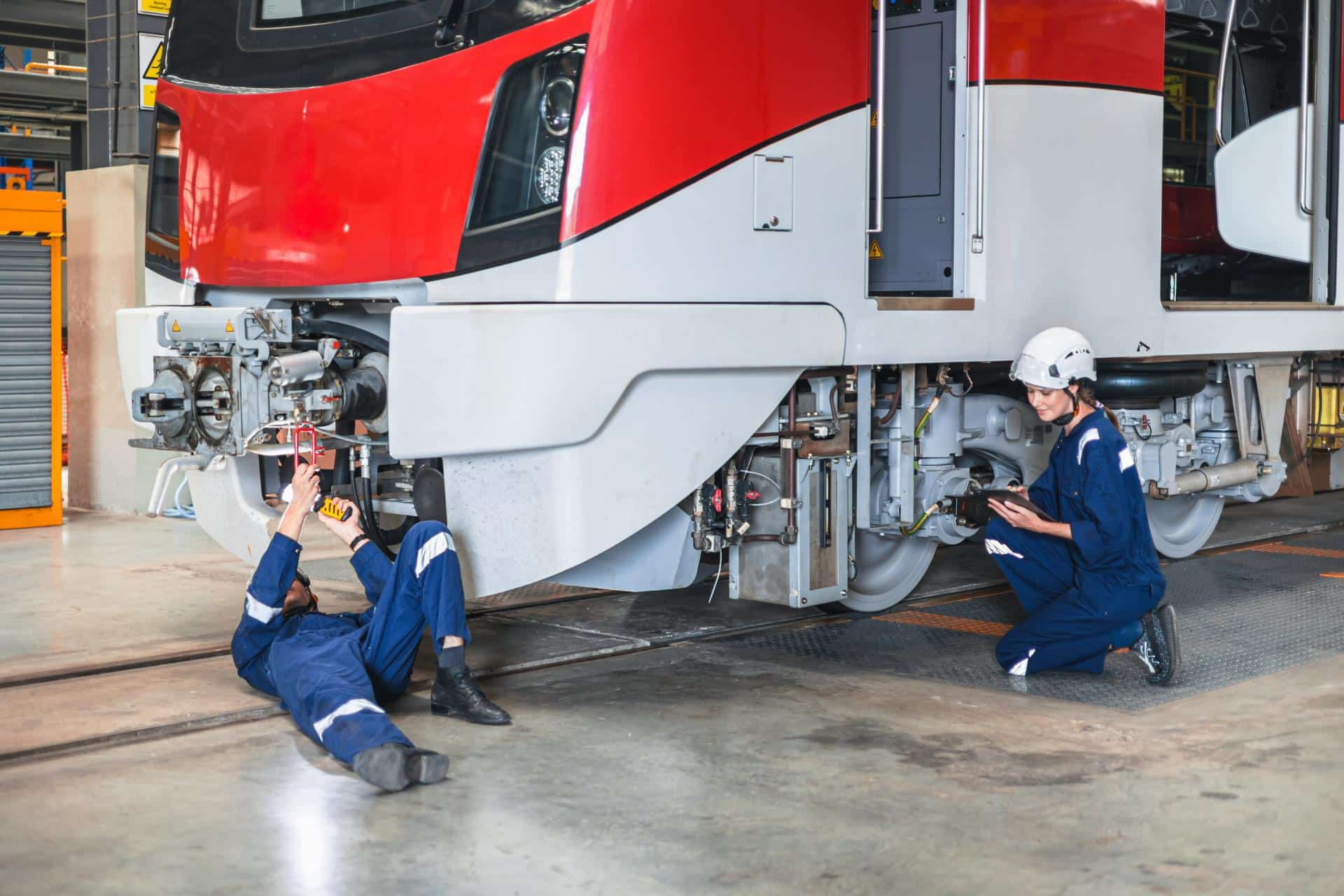
Freight trains have always been loud. Anyone who lives near tracks knows that rumble of diesel engines pulling miles of cargo across the country. But something’s changing. Rail companies are experimenting with new engines that run quieter and burn less fuel. Hybrid locomotives blend old diesel technology with modern batteries, and they’re starting to show up in more railyards every year.
These aren’t just tweaked diesel engines. They’re completely different machines that switch between power sources depending on what makes sense. Sometimes they run on diesel. Sometimes on battery. Often both at once. That flexibility is changing how freight moves.
From Steam to Hybrid: A Brief History of Locomotive Power
Steam engines kicked everything off back in the 1800s. Massive, coal-burning beasts that powered the Industrial Revolution. They worked, but they were filthy and needed constant attention. Water stops, coal loading, and maintenance crews working around the clock.
The introduction of new types of locomotive engines in the mid-1900s changed everything, but diesel-electrics don’t work like diesel trucks. The engine doesn’t connect to the wheels. Instead, it runs a generator that makes electricity. Electric motors on the axles actually move the train. These diesel-electric locomotives became standard because they just made sense.
Battery power isn’t new either. Some of the first electric trains in the 1830s ran on batteries. The problem was, those batteries were terrible. Modern battery tech finally caught up to the old dream. Now, engineers can build locomotives that store serious power in battery banks.
What Makes a Hybrid Locomotive?
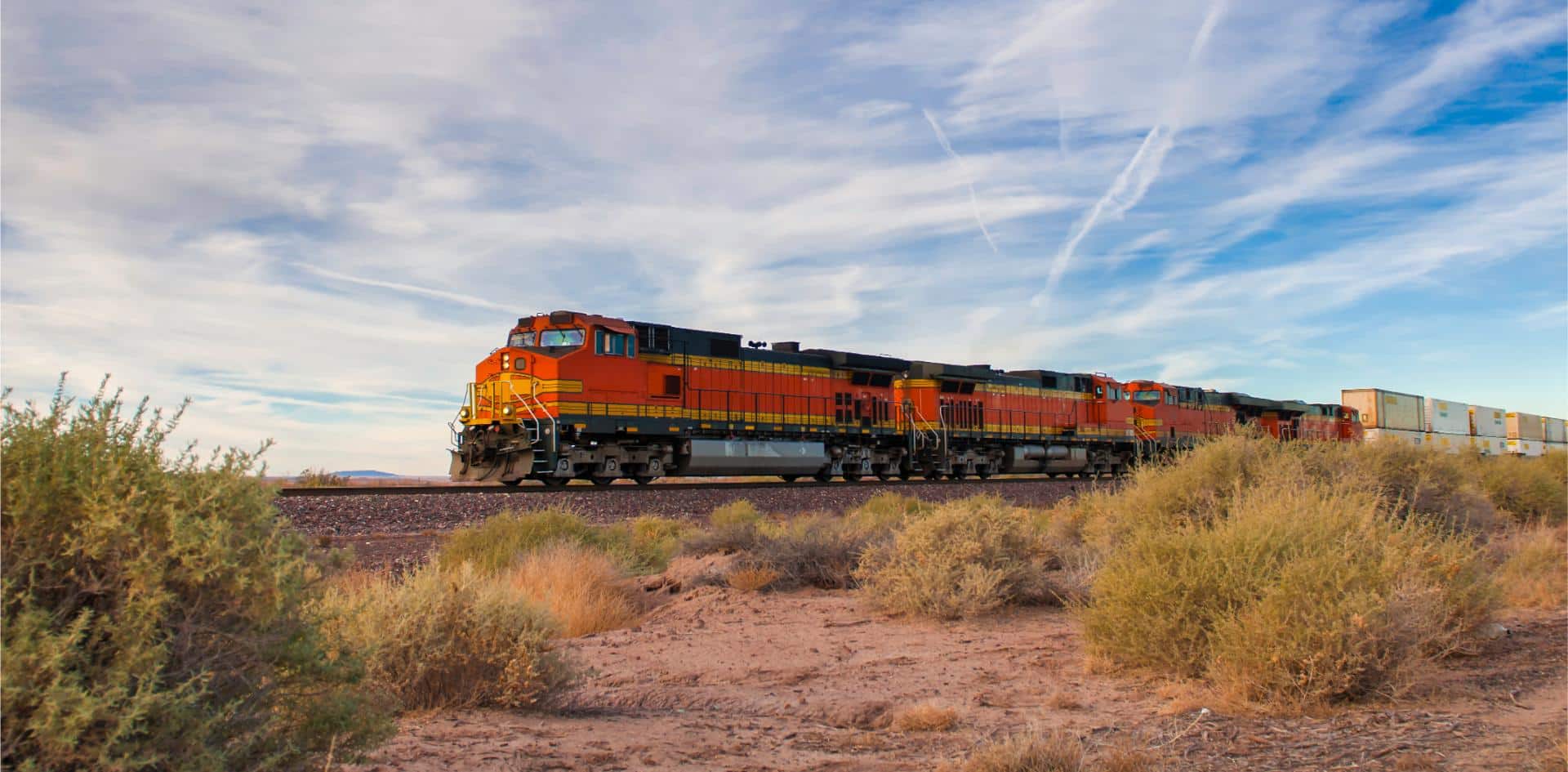
A hybrid locomotive runs on multiple power sources. Most freight hybrids combine diesel and battery power. The setup lets them use whatever power source works best at any given moment.
Components and Architecture
Modern battery-diesel locomotive designs build on the diesel-electric platform that’s been around for decades. The diesel engine tends to be smaller than traditional locomotives. It doesn’t need to handle peak loads anymore since that’s the battery’s job. The generator still converts mechanical energy into electrical energy. But now there’s a massive battery bank, the Energy Storage System. Smart electronics manage everything, deciding when to tap the diesel, when to use the battery, and when to do both.
The traction motors on the axles draw from a dual locomotive power supply instead of a single source. The diesel can hum along at its sweet spot, charging batteries. When the train needs burst power to start moving or climb a grade, the batteries deliver it instantly.
Energy Storage Systems
Battery technology makes or breaks these machines. Most use lithium-ion batteries, the same basic chemistry as electric cars, just way bigger. The high locomotive battery voltage requires these battery banks to weigh tons and use liquid cooling to stay safe. Modern locomotive energy storage systems can hold enough electricity to power a small neighborhood.
Some designs mix regular batteries with supercapacitors. Batteries hold energy for the long haul. Supercapacitors handle split-second power demands, like capturing all that energy when a heavy train hits the brakes.
Control Systems and Power Management
The Energy Management System runs the show. This computer makes thousands of calculations per second. Should the diesel engine start? How much battery power should we use? Good software makes a huge difference. A smart system saves fuel, reduces wear, and keeps everything running smoothly. The hybrid locomotive technology relies heavily on these sophisticated control systems to optimize performance.
Benefits of Hybrid Locomotives in Freight Operations
Rail companies care about one thing: moving freight cheaply. Hybrids do that, which is why they’re buying them. Not because they look good in sustainability reports.
Fuel Efficiency and Cost Savings
Fuel costs kill profit margins in freight. A hybrid can cut fuel use by 30 percent or more. The diesel engine only runs when it needs to. Sitting in a yard? Shut it off and run on battery. Rolling downhill? Shut it off. Less fuel means lower costs and companies aren’t as vulnerable when diesel prices spike.
Emissions and Noise Reduction
Cities hate diesel locomotives. They’re loud and they stink. A hybrid running on battery power changes that completely. Zero local emissions. Quiet enough that workers can talk without shouting. Even when the diesel runs, it burns cleaner because it operates at optimal efficiency. The hybrid train concept particularly shines in urban environments where noise and air quality matter most.
Regenerative Braking
A loaded freight train has incredible momentum. When it breaks, all that energy usually turns into heat. But hybrids flip the script. The motors run backwards and become generators. All that electricity has to go somewhere, so it dumps into the locomotive battery. Free energy recovery. This regenerative braking technology can recover a significant portion of the energy normally lost.
Operational Flexibility
One locomotive can work anywhere. Need to pull freight through a residential area at night? Switch to battery mode. Working in a tunnel where diesel fumes would be dangerous? Battery mode again. Out on the open track? Fire up the diesel. This flexibility means fewer locomotives sitting idle.
Evolution and Current Models
The journey from concept to commercial reality took decades. Early attempts proved the idea worked but couldn’t compete economically. Today’s hybrid locomotives represent the culmination of over a century of experimentation and refinement.
Early Hybrid Experiments
Engineers filed the first gas-electric hybrid patents in 1889. But practical battery-diesel locomotive systems didn’t appear until much later. The 1990s saw some prototypes that worked, sort of. Battery tech wasn’t ready. Too heavy, too expensive, not enough power.
Modern Hybrid Locomotives
Now major manufacturers are all in. Wabtec’s FLXdrive is an interesting battery-electric locomotive. It’s pure battery-electric, no diesel at all. But here’s the trick: it couples up with regular diesel locomotives and works as a team. The diesels do their thing while the FLXdrive adds battery power when needed. Progress Rail offers the EMD® Joule, another battery locomotive designed differently for different jobs. These aren’t experiments anymore. They’re pulling real freight for real customers.
Hybrid Yard Switchers and Regional Freight
Yard switchers make perfect sense for hybrid locomotive technology. They start and stop constantly, with lots of idle time and short distances. That’s the ideal scenario for battery-diesel power. Regional freight is the next frontier with shorter routes and predictable schedules.
Hydrogen and Alternative Hybrids
Hydrogen fuel cells are getting attention, too. The way these work is that the hydrogen feeds a fuel cell that generates steady electricity. Batteries come along for the ride to handle the heavy lifting. Acceleration, hill climbing, that sort of thing. The only emission? Water vapor. But hydrogen has its own challenges. The infrastructure isn’t there yet. Major railways like CPKC are actively developing this technology.
Challenges Facing Hybrid Locomotives
Nothing’s perfect. Hybrids face real obstacles that slow adoption.
Battery Weight and Energy Density
Diesel fuel packs incredible energy into a small space. To match one gallon of diesel, you need a battery that weighs hundreds of pounds. That weight cuts into cargo capacity. Battery tech keeps improving, but this challenge isn’t going away soon.
Infrastructure and Charging
Batteries need charging stations. Building that infrastructure costs millions. A single railyard might need as much electrical capacity as a small town. Companies won’t buy electric locomotives without charging infrastructure. But nobody wants to build charging stations without customers.
Cost and Return on Investment
Hybrids cost more upfront. Companies need to run the numbers carefully. Will fuel savings offset the higher purchase price? Government incentives often tip the scales. Without subsidies, the math gets harder.
Maintenance and Life Cycle
Batteries wear out in five to ten years, typically. Replacing a battery pack costs serious money, sometimes a third of the locomotive’s original price. Traditional diesels run for decades with basic maintenance. Maintenance crews need new training, too.
The Road Ahead for Hybrid Locomotives
Despite challenges, momentum is building. Technology keeps improving. Regulations keep tightening. The economy gets better every year.
Advances in Battery Technology
Battery development moves fast. Solid-state batteries promise more power in less space. Manufacturing scales up, costs come down. Even current lithium-ion tech keeps getting cheaper. These advances directly improve locomotive energy storage capabilities.
Regulatory and Environmental Drivers
Governments worldwide are cracking down on emissions. California already has strict rules for locomotives. The U.S. Environmental Protection Agency sets federal exhaust emission standards that get harder for pure diesel engines to meet over time. Big companies want clean supply chains. That pressure drives investment in cleaner technology.
Integration With Renewable Energy
Big railyards in California and Texas started putting up solar panels next to their charging stations. Not just a few panels either. We’re talking acres of them, enough to run the whole depot. It makes sense when you think about it. Solar power charges the batteries, and batteries power the trains. No grid stress, no fossil fuels anywhere in the chain. The environmental math gets really good when everything lines up like that.
Market Outlook and Adoption
Industry reports point to serious growth coming for hybrid locomotive sales. Yard switchers lead the way, followed by regional freight. Retrofitting existing locomotives offers another path. Take an old diesel, add batteries and control systems, create a hybrid. The market for these conversions keeps expanding as battery costs drop.
Hybrid locomotives represent practical progress, not fantasy. They work today, saving fuel and cutting emissions while maintaining the flexibility freight operators need. The technology isn’t perfect yet. Batteries need improvement. Infrastructure needs building. But the direction is clear. Rail freight is going hybrid, then electric. These machines prove that century-old industries can adapt. From urban railyards to cross-country routes, hybrids are pulling the freight industry toward a cleaner, more efficient future.
FAQ
What Is a Hybrid Locomotive?
A hybrid locomotive combines different power sources, usually diesel engines and batteries. The diesel engine makes electricity that either goes straight to the wheels or into the batteries for later. Think of it like a hybrid car but massive. Need to climb a hill? Both systems kick in together. Rolling through a quiet neighborhood? The diesel shuts off completely and batteries take over.
How Do Battery-Diesel Hybrid Locomotives Work?
The diesel engine runs a generator that creates electricity. That power either goes straight to the wheel motors or charges the battery pack. During acceleration, both battery and diesel provide power together. When braking, the motors work backwards, generating electricity that recharges the batteries. This entire process is managed by a sophisticated energy management system.
What Are the Benefits of Hybrid Trains?
Better fuel economy tops the list with significant savings. Much quieter operation, especially in battery mode. Lower emissions both locally and overall. Plus operational flexibility to work in different environments. The economic benefits combined with environmental advantages make them a compelling option for rail companies.
When Were Hybrid Locomotives First Developed?
The basic concept goes back to 1889, but working prototypes didn’t appear until the late 1900s. Modern hybrids that actually compete with diesel only started appearing after 2000, when battery technology finally caught up.
What Are the Main Challenges of Hybrid Locomotives?
Batteries cost a lot, don’t last forever, and they’re also heavy, which reduces cargo capacity. Charging infrastructure doesn’t exist in most places yet. The upfront cost is high, making the business case tricky without government support.
Are Hydrogen Locomotives Considered Hybrids?
Yes, when they pair fuel cells with battery packs. Pretty much all the hydrogen locomotives being tested right now use this setup. The fuel cell chugs along at a steady rate, making consistent power. But when the train needs to accelerate hard or capture braking energy, that’s all battery work. Neither system could handle the job alone.