

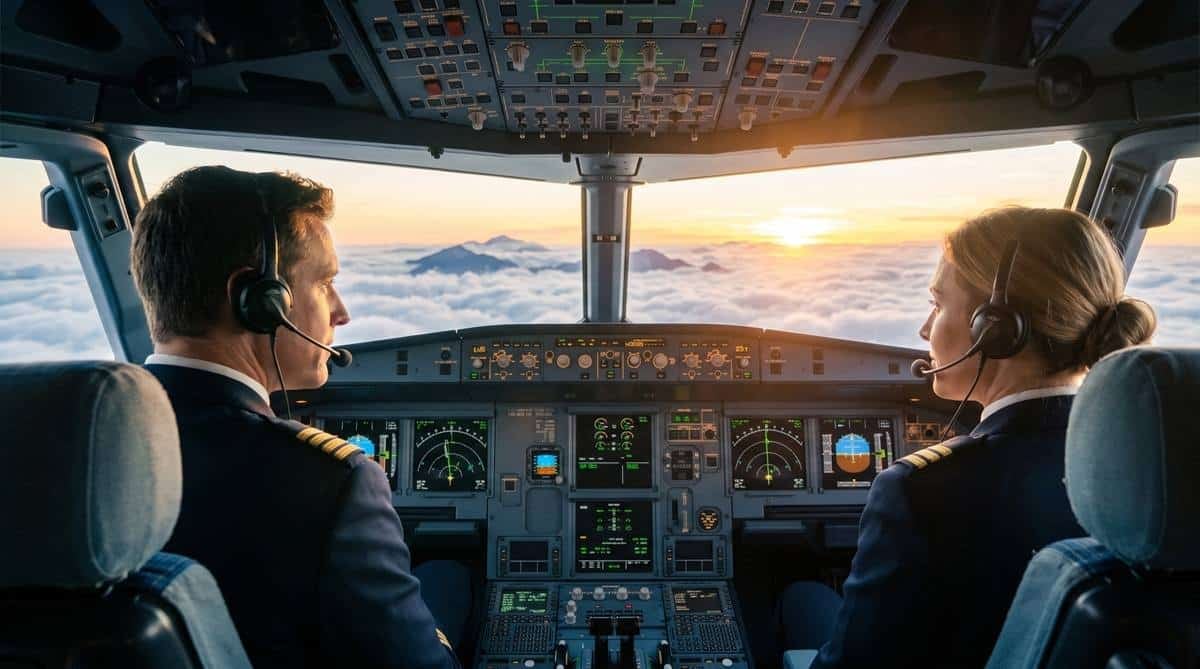
Few careers offer the mix of adventure, structure, and personal challenge that comes with flying for a living. Whether someone is weighing a shift into commercial aviation or simply curious about what draws people to the flight deck, the benefits of being a pilot go far beyond the paycheck. It’s a profession that reshapes how a person sees the world, manages responsibility, and grows professionally over decades of service.
What flying professionally actually offers, financially, in lifestyle, and personally, goes beyond the obvious, and it’s worth looking at what sets the benefits of being a commercial pilot apart from careers that demand a similar investment in training and certification.
A Career Built on Constant Growth
Aviation is one of the few industries where learning never really stops. Pilots begin with a private license, then work through instrument ratings, commercial certification, and type ratings for specific aircraft. Even after reaching the airline level, recurrent training, simulator checks, and new aircraft transitions keep pilots sharp throughout their careers.
Continuous Mastery, Not a Plateau
This built-in progression is one of the most underrated benefits of being a pilot. Unlike many jobs where skills plateau after a few years, piloting rewards continuous mastery. Captains with decades of experience are still tested, still briefed, and still expected to perform at a high level every time they step into the cockpit. For people who thrive on structured challenge, that’s a career-long source of motivation rather than burnout.
Strong Earning Potential
Compensation is often the first thing people ask about, and for good reason. The benefits of being a commercial pilot include an earning trajectory that keeps climbing with experience and seniority, rather than flattening out early like many careers. The median airline pilot earned $232,140 in May 2025, according to the BLS. Regional first officers typically start lower (about $92,000 a year at carriers like PSA Airlines), but pay climbs quickly with hours logged, aircraft type, and airline seniority.
Beyond Base Salary
Captains at major carriers and cargo operators are among the higher earners in transportation-related fields, with senior widebody captains making close to $484,000 a year, and many pilots supplement income through corporate aviation, charter work, or flight instruction. Per diem pay, retirement contributions, and travel benefits add real value on top of the base salary, extras that most professions requiring similar years of training simply don’t offer.
Unmatched Travel and Lifestyle Flexibility
Pilots see the world in a way most careers simply don’t allow. Layovers in different cities and countries, exposure to different cultures, and the ability to build a schedule around blocks of days off rather than a rigid five-day week are hallmarks of the profession.
A Schedule Built Around Blocks of Time
Many commercial pilots work a set number of flight days per month, then have extended stretches of time off, a structure that appeals to people who want more control over their calendar than a typical office job provides. This flexibility also supports family life for many pilots, who can plan around fixed schedules months in advance, something increasingly rare in other demanding careers.
Job Security and Long-Term Demand
Global air travel keeps growing, and pilot retirements combined with expanding fleets mean the workforce hasn’t kept pace. That imbalance has translated into strong job security and, in many regions, competitive hiring incentives. Airlines, cargo carriers, corporate flight departments, and government agencies all compete for qualified pilots, so experienced aviators can often be more selective about where and how they work.
Demand Across Multiple Sectors
This demand isn’t limited to commercial airlines. Military aviation, agricultural flying, medevac operations, and business jet charter all draw from the same pool of trained pilots, meaning a license opens doors across multiple sectors, not just one.
Building Discipline, Precision, and Decision-Making Skills
Flying demands a level of discipline that transfers directly into other areas of life. Pilots are trained to follow checklists precisely, manage multiple systems simultaneously, and make calm, rational decisions under pressure, skills that are difficult to develop in most other professions.
A Mindset That Carries Over
This training environment builds genuine personal growth. Pilots learn to separate emotion from decision-making, communicate clearly and concisely with crew and air traffic control, and take ownership of outcomes in a way few careers require. Many pilots report that this mindset carries over into how they handle stress, plan projects, and lead teams outside of aviation entirely.
A Technical Understanding of the Aircraft
Discipline shows up in the technical side of flying too, not just the checklist. Pilots who dig into how their aircraft actually works, including the maintenance tasks pilots are qualified to perform, tend to trust the equipment more because they understand it, not just because they’re told it’s airworthy.
A Genuine Sense of Purpose
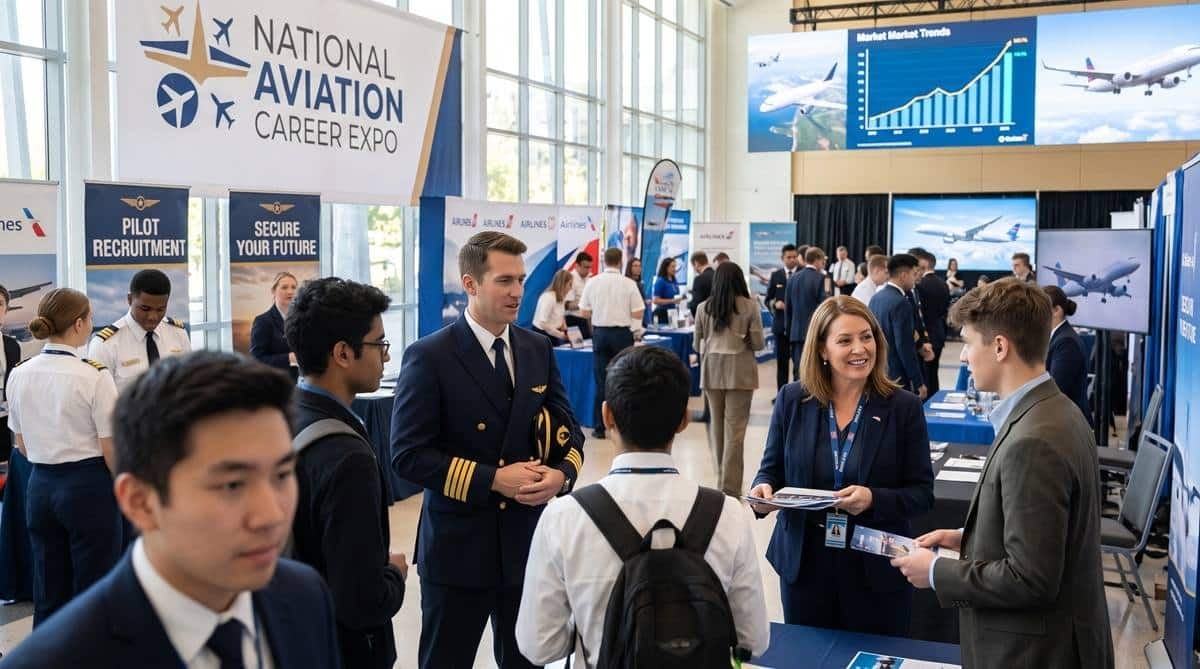
Few jobs offer the same tangible sense of accomplishment as safely getting passengers or cargo from one point to another. Whether flying commercial passengers, transporting critical medical supplies, or supporting military operations, pilots see the direct impact of their work in a way that’s hard to replicate in more abstract careers.
That sense of purpose runs deeper than the cockpit. Aviation attracts people who take pride in precision, safety, and professionalism, and that shows in the ground support and maintenance teams working alongside flight crews to keep aircraft mission-ready between flights.
Camaraderie and a Global Professional Network
Pilots join a tightly connected professional community. Type ratings, airline seniority lists, and shared training experiences create bonds that last across a career. Many pilots describe the cockpit relationship with a co-pilot or first officer as one of the most collaborative working relationships in any profession, built on trust, clear communication, and shared responsibility for safety.
A Network That Extends Beyond One Airline
This network extends well beyond any single airline or aircraft type. Pilots frequently move between operators, instructors, and even industries, carrying relationships and reputational credibility with them. It’s a career where professional connections genuinely open doors.
A Front-Row Seat to Aviation Innovation
Aviation is evolving quickly, from more efficient aircraft systems to advances in ground support technology that reduce turnaround times and environmental impact. Pilots are often among the first to work with new avionics, electric and hybrid propulsion concepts, and updated safety systems, giving them a front-row seat to industry innovation that few other careers offer.
Staying current with broader industry trends, including how ground operations and support equipment are evolving, helps pilots understand the full picture of how modern aviation runs.
Multiple Career Paths Within One License
A pilot’s license doesn’t lock someone into a single track. Commercial pilots can move between passenger airlines, cargo operations, corporate aviation, flight instruction, or specialized roles like aerial firefighting and agricultural spraying.
Room to Reinvent the Career
Some transition into check airman or training captain positions, passing their expertise on to the next generation of pilots. Others move into aviation management, safety, or operations roles that draw on their flight experience without requiring active flying. This flexibility means a pilot’s career can be reshaped multiple times without starting over, something few licensed professions allow.
Final Thoughts
The benefits of being a pilot extend well past the obvious appeal of flight. It’s a career that builds discipline, rewards continuous learning, pays well relative to training investment, and offers a lifestyle few other professions can match. For those weighing the benefits of being a commercial pilot specifically, the combination of job security, earning growth, and genuine variety in day-to-day work makes it one of the more resilient and rewarding career paths available today.
Whether the goal is flying passengers across continents, supporting military missions, or building a career in corporate aviation, the fundamentals stay the same: precision, responsibility, and a front-row seat to one of the most demanding and rewarding professions in the world.