
When a helicopter goes down, people rarely walk away. Unlike airplanes, helicopters do not naturally stay stable in flight. They need constant control inputs to stay in position. This key difference means the cause of a helicopter crash often involves a mix of aircraft instability, low-altitude dangers, and split-second decisions.
Helicopters fly at low altitudes, close to obstacles and weather, leaving little margin for error. When that margin disappears, so does the chance to recover. Knowing what goes wrong is how the industry learns to stop it from happening again.
Main Causes of Helicopter Crashes
Crashes rarely happen because of a single problem. They result from a chain of events where hidden flaws line up with human mistakes.
In 2024, the fatal accident rate fell to 0.44 per 100,000 flight hours, the lowest that the FAA and U.S. Helicopter Safety Team has seen in a quarter century. Safety experts study helicopter accident statistics to break these causes into clear categories.
Pilot Error and Human Factors
The human operator remains the most unpredictable part of the cockpit. According to a 2025 analysis by the U.S. Helicopter Safety Team presented at VERTICON, loss of control in flight, striking objects during low-altitude operations, and unintended flight into instrument conditions remain the leading causes of fatal accidents, accounting for 47 percent of all fatal helicopter crashes between 2019 and 2024. These factors trace back to helicopter pilot error and human judgment.
Fatigue is a major issue. Helicopter pilots in air ambulance or charter work often fly on-demand shifts. Irregular hours throw off sleep, and a pilot running on four hours of rest may not notice the threat until it is too late. A tired pilot may fly the aircraft well but fail to spot danger.
Poor decisions under pressure also cause crashes. Pilots may feel pushed to finish a mission despite bad conditions. This mindset, sometimes called “get-there-itis,” blinds them to warning signs that should trigger a landing or route change.
Spatial disorientation is another killer. The human inner ear is unreliable in flight. Without a clear view outside, a pilot can feel level while actually banking steeply. This illusion often leads to loss of control, especially when flying into clouds or fog.
Mechanical Failures
Modern helicopters are feats of engineering, but they lack backup systems found in large jets. If a jet loses one engine, it flies on the other. However, if a helicopter loses its main gearbox or tail rotor, the results are immediate and severe.
Mechanical failures in helicopters often involve the drive system or engine. Investigators often ask: “How did the helicopter crash?” In many cases, these component breakdowns are at the root. An engine failure requires the pilot to enter autorotation right away. During this maneuver, the pilot trades altitude for rotor speed, as air rushing upward through the disc keeps the blades turning even without engine power. However, being low and slow is the worst position for this emergency.
The tail rotor is equally critical. It fights the torque from the main rotor to keep the nose pointed forward. Consequently, a broken drive shaft or seized gearbox causes the helicopter to spin wildly with little chance of recovery.
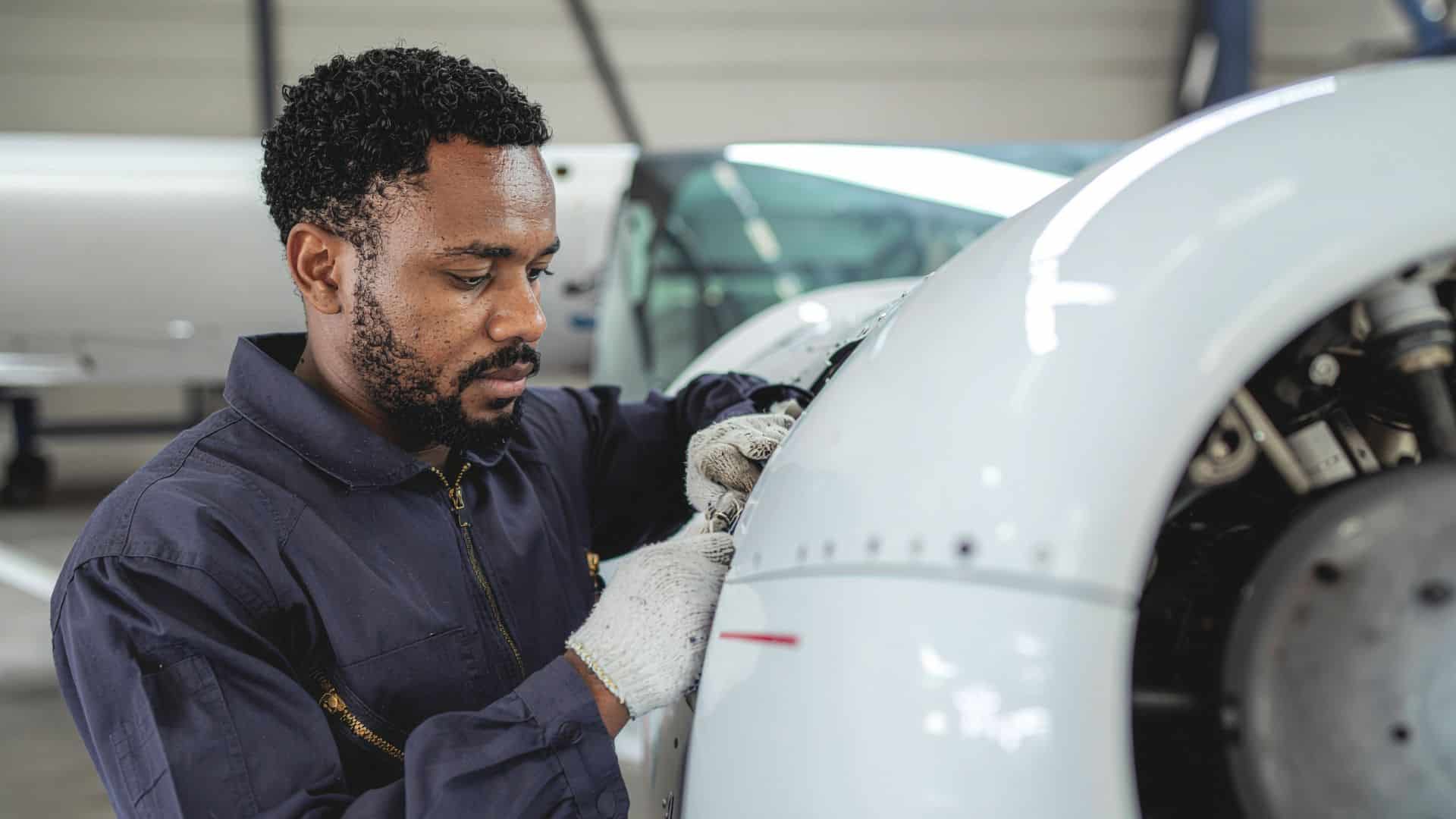
Ultimately, staying ahead of these failures comes down to strict helicopter maintenance. Rotor blades and gears wear out on a schedule, and metal fatigue hides beneath the surface. A gear tooth can look perfect one hour and snap the next. One skipped inspection or a cheap replacement part is all it takes for a small crack to become a fatal failure.
Weather-Related Helicopter Crashes
Helicopters cannot fly above bad weather like jets can. They operate right in the middle of it.
Low visibility is the main threat. Fog, heavy rain, or low clouds can trap a pilot near the ground. When outside references vanish, the risk of disorientation spikes. This is the leading cause of helicopter crash deaths.
Icing is another serious danger. Ice on rotor blades destroys lift faster than on fixed wings due to high spin speeds. It also causes harsh vibrations. If ice falls off one blade but not the others, the imbalance can shake the aircraft apart.
Strong winds create hazards like Loss of Tail Rotor Effectiveness or LTE. Certain wind angles can block the tail rotor’s ability to counter torque. This causes a sudden spin that is hard to stop at low speeds.
Knowing what the weather is like now, not what it was forecast to do an hour ago, can make the difference; data only helps if pilots act on it.
Many operators now enforce strict “Go/No-Go” rules. If conditions fall outside set limits, the flight does not happen. No exceptions, no pressure.
Controlled Flight Into Terrain (CFIT)
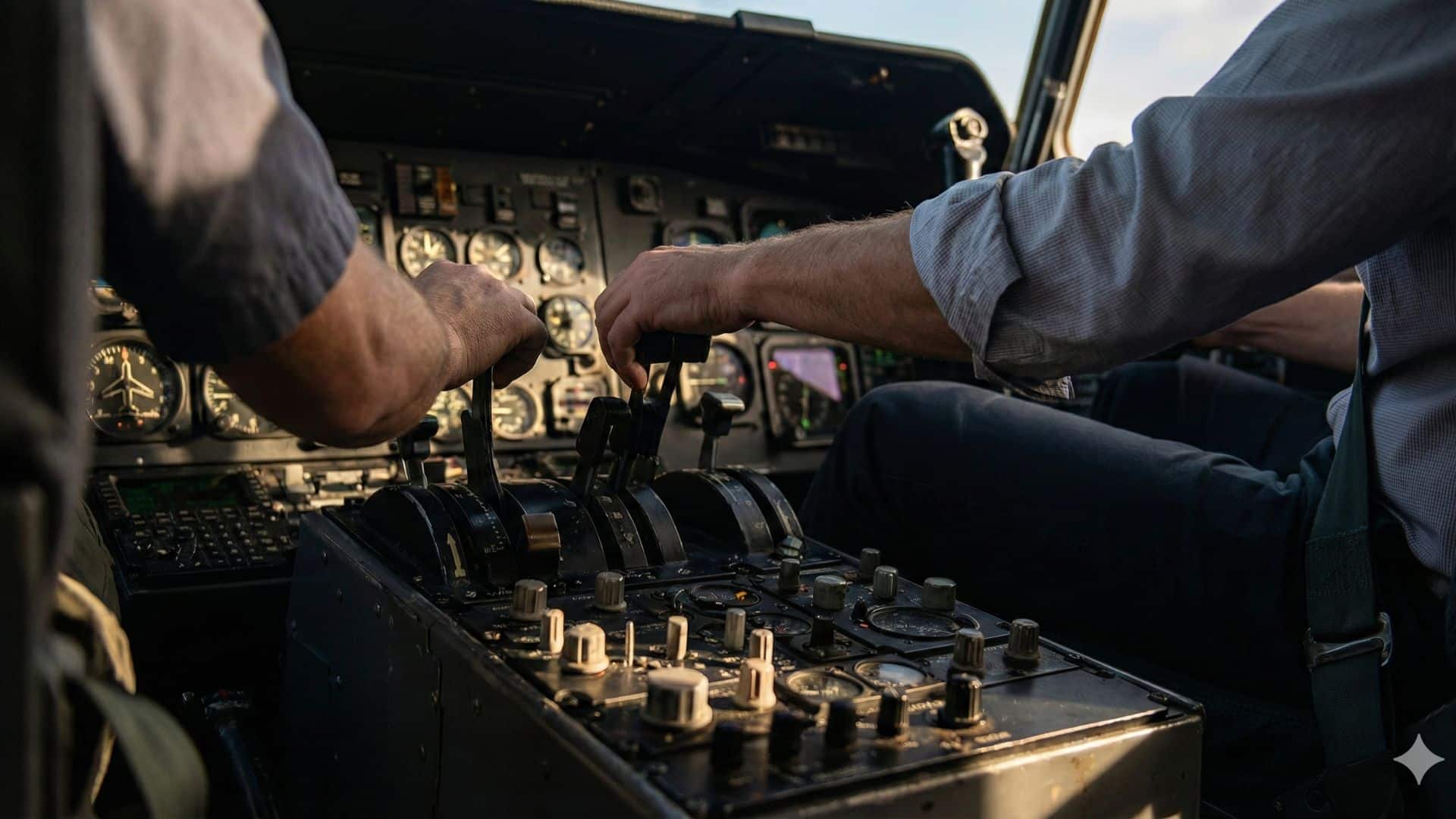
Such an accident is hard to accept. The aircraft works fine, the pilot has full control, and yet the helicopter flies straight into the ground, a hillside, or a wire.
In helicopters, this often means a wire strike. When asking how the helicopter crashed in these cases, the answer is rarely a broken part. Helicopters doing utility, farm, or medical flights operate where power lines hide in plain sight. Wires blend into the background or vanish in flat light.
Disorientation also leads to CFIT. Flying over calm water or snow can create a “whiteout” effect where depth perception fails. The pilot cannot judge height and descends until impact. Terrain Awareness and Warning Systems or TAWS help by giving audio and visual alerts when the ground gets too close.
Air Traffic Control & Communication Failures
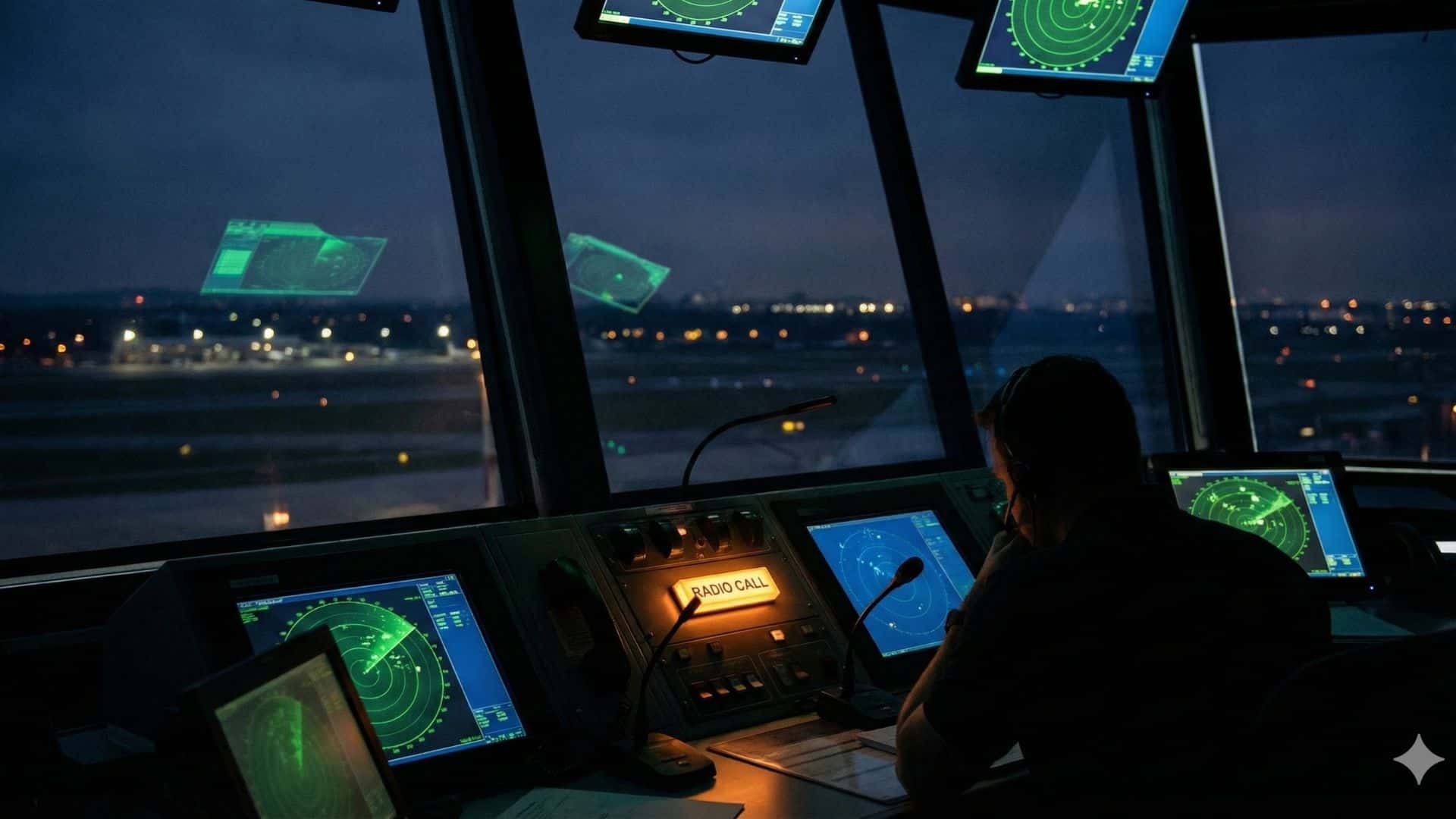
Airspace is growing increasingly crowded, and helicopters routinely transition between controlled and uncontrolled zones. In controlled airspace, pilots communicate directly with a tower. In uncontrolled airspace, however, no one monitors their position, and that gap in oversight creates risk.
That gap is where collisions happen: a wrong altitude readback, a missed call on a busy frequency, two aircraft converging with neither pilot aware of the other.
The January 2025 Potomac River collision near Reagan National Airport showed how deadly these gaps can be. A Black Hawk helicopter and a regional jet collided, killing all 67 people aboard both aircraft. NTSB investigators found the helicopter crew missed critical tower transmissions because they keyed their microphone at the same moment the controller spoke. Both aircraft could hear the controller, but neither could hear the other’s responses, leaving each crew without full awareness of the other’s position.
Helicopter Maintenance & Safety Protocols
Every flight begins with what happened in the hangar. The constant vibration in helicopters stresses every bolt, bearing, and rivet. This makes pre-flight checks and scheduled maintenance essential.
Pre-flight inspections are the last line of defense. Pilots and mechanics look for fluid leaks, loose parts, or stress on the rotor system. Rushing through these checks invites disaster.
Human error in the hangar can also cause crashes. Wrong torque on a bolt or a tool left inside a panel can create the very failure the work was meant to prevent. That is precisely why safety programs now teach mechanics to watch themselves as closely as they watch the aircraft. Most of these errors come down to fatigue or time pressure.
For example, a mechanic at the end of an extended shift might overlook a cotter pin. Similarly, when management demands an aircraft back in service by morning, someone may skip a torque check or sign off on work that was never fully inspected.
Technology is changing how operators track aircraft health. Health and Usage Monitoring Systems or HUMS use sensors to detect tiny changes in vibration. These systems can spot a failure bearing many flight hours before it breaks. That is why going from fixing problems to predicting them has led to recent safety gains.
Advanced algorithms and AI in aviation take this further. They analyze large datasets to predict part lifespans more accurately than fixed hour limits.
How to Prevent Helicopter Crashes
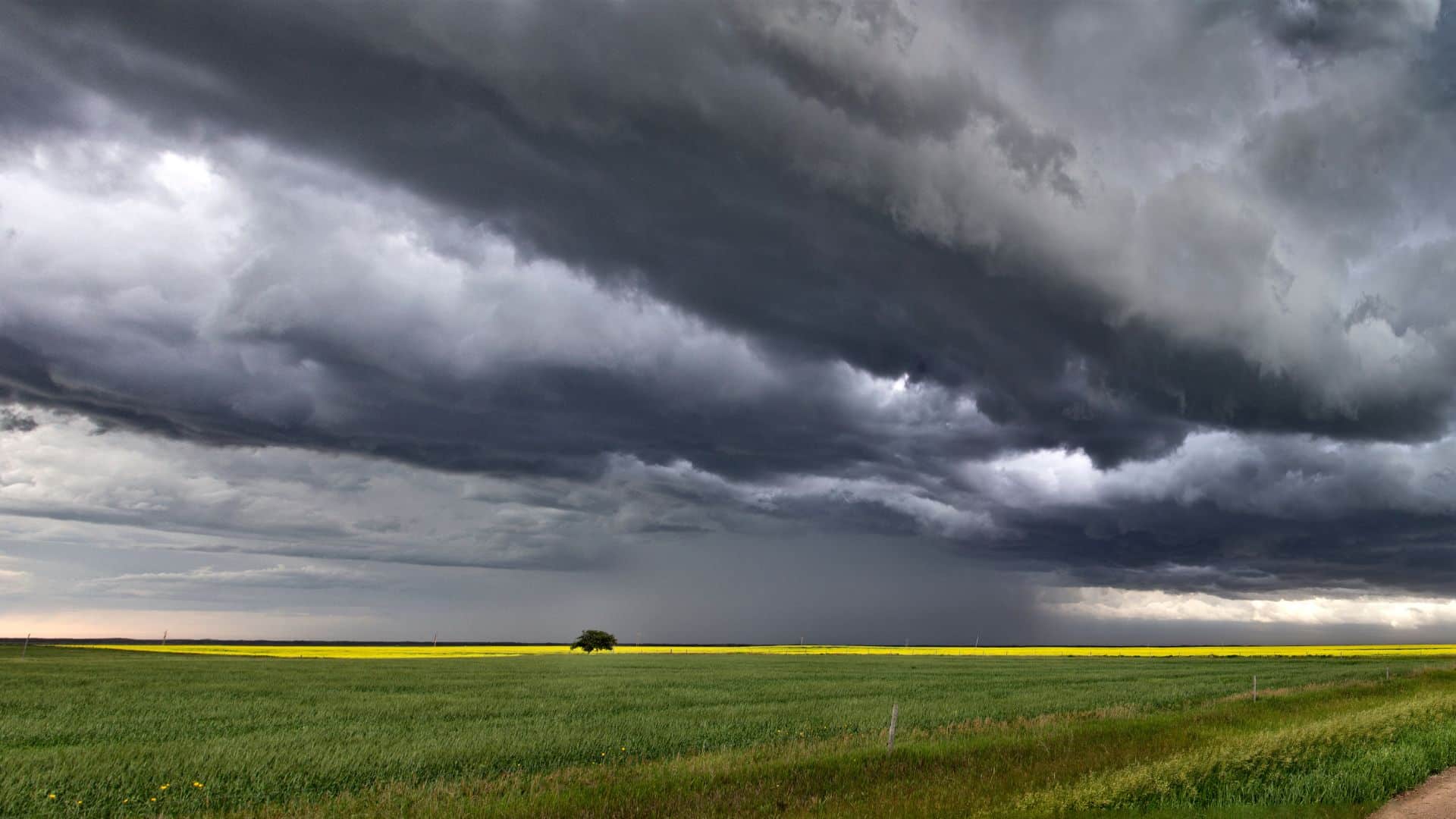
Cutting the accident rate takes a layered approach that covers pilot skills, machine health, and weather awareness.
Enhanced Pilot Training
A well-trained pilot is the best safety tool, but training in real aircraft has limits since practicing engine failures carries real risks. Simulators have changed this. A pilot can now experience a tail rotor failure at 500 feet, fly a night mission over mountains, or punch into a cloud layer and practice the recovery. No one gets hurt. The learning sticks.
Good training also sharpens judgment. Pilots face scenarios where they must weigh bad weather against a waiting patient or a client on a deadline. The goal is to build the reflex to say no when the risk is too high. For commercial flights, written helicopter operations procedures back this up so the decision follows a rulebook, not a gut feeling.
Regular Maintenance Programs
Fixing broken parts is not enough. The best programs catch wear before it becomes a problem. Turbine blades, bearings, and hydraulic seals all have lifespans. Replacing them early costs money, but the alternative costs lives. Shops that cut corners or skip steps put aircraft at risk every time they sign off on a job.
Advanced Avionics & Safety Tech
Cockpits today look nothing like they did thirty years ago. GPS and digital maps show exactly where the aircraft is and what terrain lies ahead.
HTAWS, or Helicopter Terrain Awareness and Warning Systems, call out rising ground before the pilot sees it. TCAS watches for other aircraft in crowded airspace. Synthetic vision paints a picture of the terrain on the screen, even in pitch-black conditions.
Weather Preparedness
Real-time weather systems let pilots see radar and satellite images in the cockpit, but technology must pair with policy. Operators should set personal weather limits higher than legal minimums. If the law allows one-mile visibility, a safe operator might require three miles. Strict go/no-go rules protect pilots from pressure to fly in risky conditions.
Conclusion
Helicopters demand respect. The approach to safety has evolved, and recent data shows accidents can be prevented. A tired pilot pushes into bad weather. A worn gear tooth finally gives. A rushed decision ignores the forecast. Each of these can be caught before it kills.
Eliminating the root cause of a helicopter crash requires advanced monitoring, strict maintenance, and a culture that puts safety above the mission. As the industry adopts better tools and training, zero accidents becomes a real goal.
FAQ
What Is The Leading Cause Of Helicopter Crashes?
Pilot error is the leading cause, specifically the choice to keep flying into bad weather. This often leads to disorientation and loss of control. NTSB data confirms that poor weather decisions play a major role in fatal crashes.
Are Helicopters More Dangerous Than Airplanes?
Helicopters have a higher accident rate per flight hour than commercial airlines. They spend most of their time close to the ground, dodging wires and towers, with no second engine to fall back on. However, compared to small private planes, helicopter safety rates are similar and improving.
Can Bad Weather Cause Helicopter Accidents?
Absolutely. Fog and rain steal a pilot’s reference points, and disorientation follows fast. Ice builds on the blades and robs them of lift. Strong winds can overpower the tail rotor without warning.
What Systems Prevent Modern Helicopter Crashes?
Modern helicopters use Health and Usage Monitoring Systems, or HUMS, to catch mechanical faults early. Helicopter Terrain Awareness and Warning Systems, or HTAWS, prevent ground collisions. Synthetic vision helps pilots see through poor visibility.